

Registered Dietitian
A PCOS diagnosis often comes with more questions than answers. Patients are told their hormones are imbalanced, sometimes given a prescription, and then left to figure out what to actually do about it on their own. Nutrition plays a central role in managing PCOS, but generic advice rarely accounts for how differently this condition shows up from person to person. Working with a registered dietitian in Great Neck for PCOS gives you access to nutrition guidance built specifically around your body, your symptoms, and your goals.
What PCOS Actually Does to the Body
Polycystic Ovary Syndrome, or PCOS, is a hormonal condition that affects how the ovaries function, but its effects extend well beyond reproductive health. Many people with PCOS also experience insulin resistance, which affects how the body processes carbohydrates and stores fat.
Common symptoms associated with PCOS include:
- Irregular or absent menstrual cycles
- Difficulty losing weight or unexplained weight gain
- Persistent fatigue, even with adequate sleep
- Acne, oily skin, or excess hair growth
- Mood changes, including increased anxiety or low mood
- Difficulty conceiving
Because PCOS touches so many systems at once, addressing it usually requires more than a single intervention. Nutrition is one of the most powerful and most underused tools available.
Why Generic Nutrition Advice Doesn’t Work for PCOS
A quick search for a PCOS diet returns an overwhelming number of conflicting recommendations, from low-carb plans to specific supplement combinations to entire food groups labeled as off-limits. The problem is that PCOS doesn’t look the same in every person, and a plan that works well for one person can be ineffective, or even counterproductive, for another.
Insulin resistance plays a central role for many people with PCOS, but not everyone with PCOS has it, and the degree varies widely. Some people are managing PCOS alongside thyroid issues, others alongside disordered eating patterns that restrictive diets can make worse. Generic advice doesn’t account for any of this, which is why so many people feel like they’ve tried everything without lasting results.
What a Registered Dietitian Actually Does for PCOS
A registered dietitian brings both clinical knowledge and an individualized approach to PCOS management, starting with a real understanding of your specific situation.
This typically includes:
- A thorough review of health history, current symptoms, lab work, and lifestyle patterns
- Personalized meal planning aimed at supporting blood sugar regulation and hormone balance
- Guidance on specific nutrients often relevant to PCOS, including fiber, omega-3 fatty acids, magnesium, and inositol
- Practical strategies that fit into real life, rather than rigid rules that are difficult to sustain
- Ongoing adjustments as symptoms, goals, or lab results change over time
The goal isn’t to follow someone else’s idea of a perfect diet. It’s to build an approach that actually works for your body and your life.
How Nutrition Supports Other Areas Affected by PCOS
Because PCOS affects so many systems, the benefits of working with a dietitian often extend well beyond the areas people initially expect.
Nutrition support can play a role in:
- Mood and mental health, given the strong connection between gut health, blood sugar, and emotional regulation
- Energy levels and sleep quality throughout the day
- Menstrual regularity and fertility-related concerns
- Sustainable weight management without resorting to restrictive dieting
For many people, addressing PCOS through nutrition becomes part of a broader picture of feeling more like themselves again, not just managing a diagnosis.
What to Expect When Working With a Dietitian
The first appointment with a dietitian typically focuses on understanding where you’re starting from. This includes your current eating patterns, your health history, any lab results you’re able to share, and what you’re hoping to achieve.
From there, sessions are usually structured around setting realistic, specific goals and checking in regularly on how things are progressing. The relationship is collaborative. A good dietitian isn’t handing you a printed meal plan and sending you on your way; they’re working with you over time as your needs and circumstances evolve.
Building a Plan That Actually Fits You
PCOS can feel overwhelming, especially when so much of the advice out there contradicts itself. But with the right support, it’s entirely manageable. Working with a registered dietitian in Great Neck for PCOS means getting guidance that’s actually built around you, rather than a one-size-fits-all approach that hasn’t worked before.
Mindset Psychology | Registered Dietitian Services in Great Neck
Mindset Psychology offers registered dietitian services through Limor Tabib, RDN, who takes a holistic, individualized approach to nutrition for PCOS, hormone balance, weight management, fertility-related concerns, and disordered eating. Sessions are available in person at the Great Neck office or via telehealth.
Because nutrition and mental health are often closely connected, dietitian services are integrated with the broader mental health care available at Mindset Psychology, giving clients access to whole-person support in one place. To learn more or schedule a consultation, contact Mindset Psychology or call 516-208-2638.
Frequently Asked Questions
Can a dietitian help with PCOS without medication?
Yes. Nutrition changes can meaningfully improve insulin sensitivity, energy levels, and menstrual regularity for many people with PCOS, whether or not medication is also part of their care. A dietitian can work alongside any medical treatment you’re receiving.
What foods should I avoid with PCOS?
There’s no single list of foods that applies to everyone with PCOS. Some people benefit from adjusting how often they eat refined carbohydrates, while others need a different approach entirely. A personalized assessment is the best way to identify what actually matters for your situation.
How does insulin resistance affect PCOS symptoms?
Insulin resistance can make it harder for the body to regulate blood sugar, which can contribute to weight gain, fatigue, and hormonal imbalances common in PCOS. Addressing insulin resistance through diet and lifestyle changes often improves multiple symptoms at once.
Can nutrition support help with PCOS-related fertility concerns?
For many people, improving insulin sensitivity and hormone balance through nutrition can support more regular ovulation and menstrual cycles, which are closely tied to fertility. A dietitian can work alongside your healthcare provider as part of a broader fertility-focused plan.
How is working with a dietitian for PCOS different from following an online eating plan?
A dietitian builds a plan around your specific health history, lab results, symptoms, and lifestyle, then adjusts it over time based on how you respond. Generic online plans can’t account for these individual factors, which is often why they don’t produce lasting results.
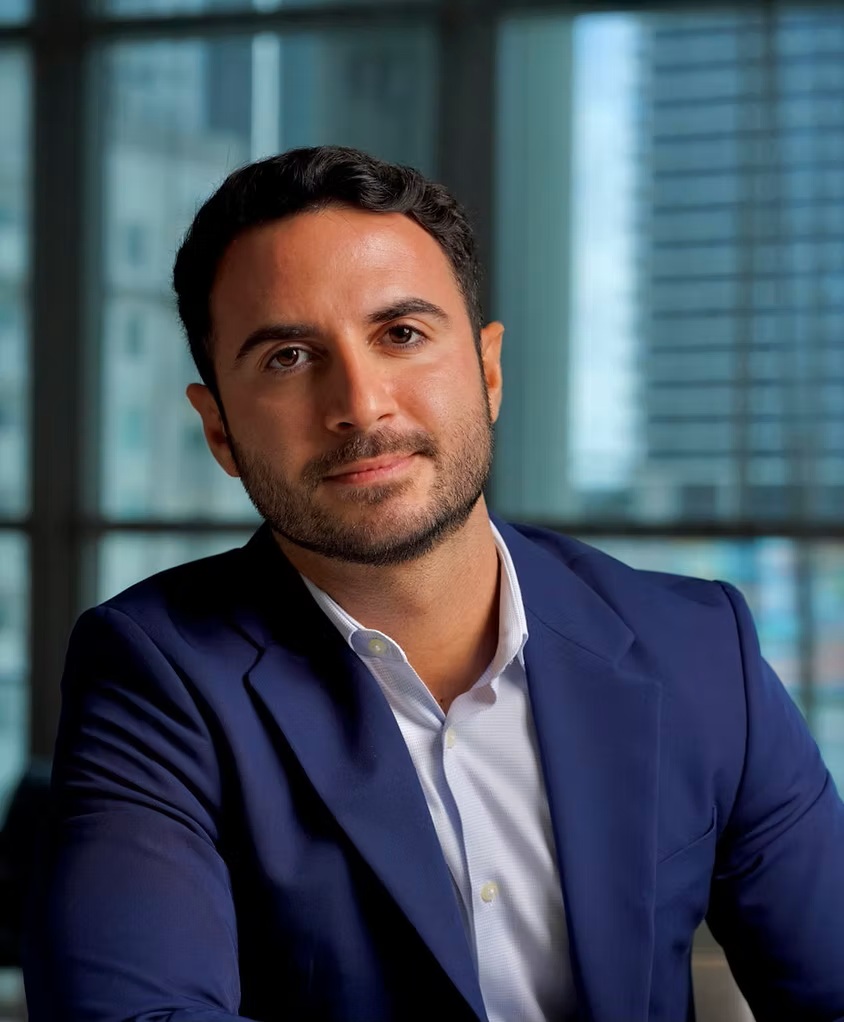
Dr. Jonathan Rabbani, PsyD is a Licensed Clinical Psychologist and Founder of Mindset Psychology, specializing in anxiety, OCD, panic disorders, ADHD, depression, and self-esteem. He utilizes evidence-based approaches, including Cognitive Behavioral Therapy (CBT), Acceptance and Commitment Therapy (ACT), and Mindfulness-based practices to help patients achieve meaningful, lasting change. Known for his warm, collaborative, and culturally sensitive style, Dr. Rabbani creates a safe, non-judgmental space where patients feel empowered to set goals and take control of their mental health journey. He holds a Doctor of Psychology (PsyD) from The Chicago School of Professional Psychology and a Bachelor of Arts in Psychology from CUNY Baruch College.