

Couples Therapists
Most couples don’t seek counseling because their relationship is falling apart. More often, they seek it because they can tell something has shifted, conversations feel harder than they used to, small disagreements linger longer than they should, or there’s a quiet distance that neither person quite knows how to name. Couples counseling in Roslyn offers a structured, supportive space to address these shifts before they grow into bigger problems, and to strengthen a relationship that both partners genuinely want to invest in.
The Patterns That Quietly Undermine Relationships
Relationships rarely fall apart all at once. More often, small patterns build up over time until they start to feel like the norm.
Some of the most common patterns include:
- Defensiveness, where any feedback feels like an attack
- Criticism that focuses on character rather than specific behavior
- Stonewalling, or shutting down and withdrawing during conflict
- Avoiding important conversations altogether
- Growing emotional distance that’s hard to pinpoint but easy to feel
These patterns often develop gradually, in response to stress, busy schedules, or unresolved past conflicts. Left unaddressed, they tend to reinforce each other, making future conversations even harder.
What Couples Counseling Actually Looks Like
A common misconception about couples therapy is that the therapist takes sides or acts as a referee. In reality, a skilled couples therapist creates a structured, neutral environment where both partners can be heard without the conversation escalating.
Sessions typically begin with understanding each partner’s perspective on the relationship’s history and current challenges. From there, the focus shifts toward identifying patterns that aren’t serving the relationship and building new ways of communicating and connecting.
The therapist’s role is to facilitate, not to decide who’s right. Both partners’ experiences are treated as valid, even when they differ significantly.
Skills Couples Build Through Therapy
The most lasting benefit of couples counseling often comes from the practical skills both partners develop, skills that continue to support the relationship long after therapy ends.
These skills include:
- Active listening, which means genuinely understanding your partner’s perspective before responding
- Conflict de-escalation, so disagreements don’t spiral into bigger arguments
- Expressing needs clearly without blame or criticism
- Rebuilding emotional and physical intimacy that may have faded over time
- Working as a team during stressful periods, including parenting, finances, or major life changes
These aren’t abstract concepts. They’re tools couples practice in session and apply in everyday life.
When Is the Right Time to Start Counseling?
There’s a persistent idea that couples counseling is only for relationships in crisis, but this isn’t accurate. In fact, many couples who benefit most from counseling start before things reach a breaking point.
It may be worth considering counseling if you notice:
- The same arguments are happening repeatedly without resolution
- Difficulty discussing certain topics without things escalating
- A sense of growing distance that’s hard to reverse on your own
- Ongoing trust concerns that haven’t fully healed
- Major life transitions, such as a new baby, job change, or relocation, create new tension
Starting earlier tends to make the work easier, simply because patterns haven’t had as much time to become deeply ingrained.
What Stronger Communication Produces Long-Term
When couples build stronger communication skills, the impact tends to extend well beyond fewer arguments.
Common long-term benefits include:
- Less resentment, because concerns are addressed instead of accumulating
- A deeper sense of emotional security and connection
- Better teamwork during stressful periods
- Increased confidence in the relationship’s ability to handle future challenges
- A renewed sense of partnership rather than feeling like roommates
The relationship doesn’t become free of conflict, but both partners gain the tools to move through conflict without losing each other.
Investing in Your Relationship Together
Every relationship goes through periods of difficulty, and that’s not a sign that something is fundamentally wrong. What matters is having the tools to navigate those periods together. Couples counseling in Roslyn gives partners a guided space to build those tools, address what’s been difficult, and strengthen the connection that brought them together in the first place.
Mindset Psychology | Couples Counseling Near Roslyn
Mindset Psychology offers couples therapy and support for relationship issues through licensed therapists experienced in communication, trust repair, and relationship transitions. The practice has offices in Great Neck and Manhattan, serving clients throughout Nassau County, including Roslyn, with telehealth appointments also available.
Mindset Psychology is in-network with major insurers, including Aetna, Blue Cross Blue Shield, United Healthcare, Cigna, Oxford, and Oscar, and offers a free 15-minute consultation to help you and your partner find the right therapist. To learn more or schedule an appointment, contact Mindset Psychology or call 516-208-2638.
Frequently Asked Questions
How do I know if couples counseling is the right choice for us?
If you notice recurring arguments, difficulty communicating, or a growing sense of distance, counseling can help, even if your relationship isn’t in crisis. Many couples benefit from counseling as a proactive way to strengthen their relationship.
What if one partner is reluctant to try therapy?
This is common, and a good therapist will create a space where both partners feel comfortable, regardless of how they feel about starting. Often, hesitation eases significantly after the first session once both people see how the process works.
Can couples counseling help after a serious breach of trust?
Yes. While rebuilding trust takes time and effort from both partners, therapy provides a structured environment to process what happened, understand each other’s perspectives, and work toward genuine repair.
How often do couples typically attend sessions?
Weekly sessions are common, especially in the earlier stages of therapy, though frequency can be adjusted based on the couple’s needs and goals over time.
Is couples counseling covered by insurance?
Coverage for couples counseling varies by insurance plan and provider. Mindset Psychology is in-network with several major insurers, and it’s worth confirming your specific benefits before scheduling.
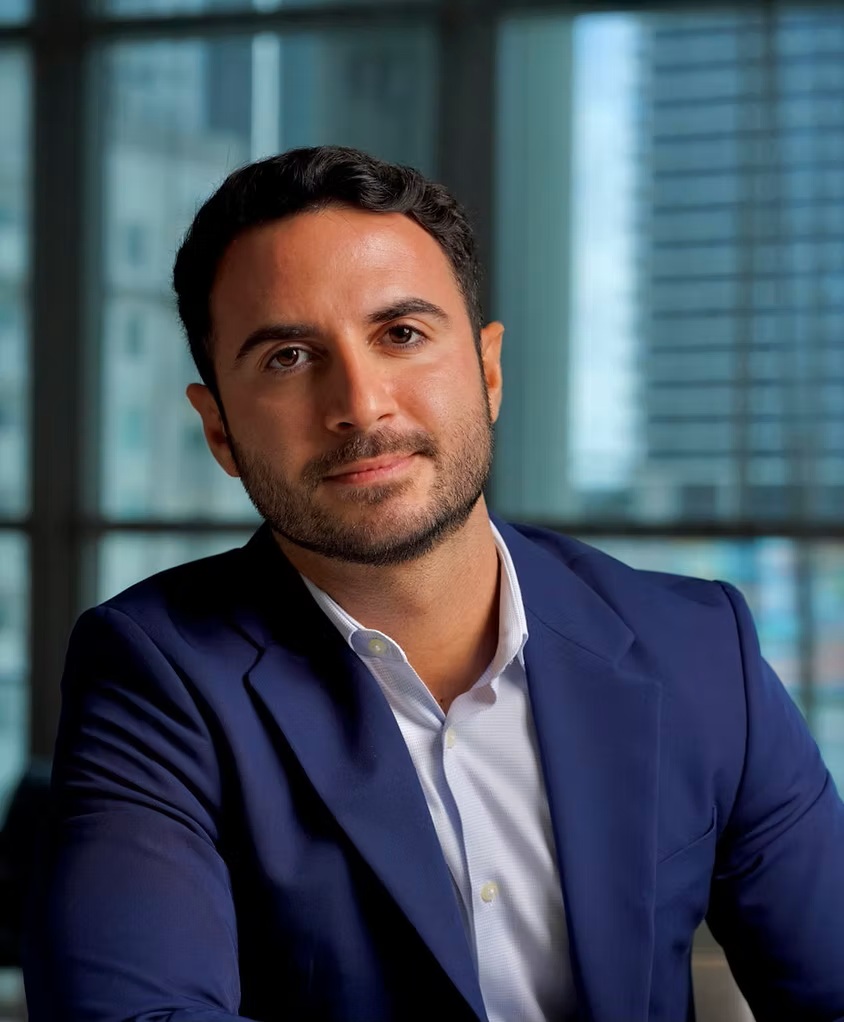
Dr. Jonathan Rabbani, PsyD is a Licensed Clinical Psychologist and Founder of Mindset Psychology, specializing in anxiety, OCD, panic disorders, ADHD, depression, and self-esteem. He utilizes evidence-based approaches, including Cognitive Behavioral Therapy (CBT), Acceptance and Commitment Therapy (ACT), and Mindfulness-based practices to help patients achieve meaningful, lasting change. Known for his warm, collaborative, and culturally sensitive style, Dr. Rabbani creates a safe, non-judgmental space where patients feel empowered to set goals and take control of their mental health journey. He holds a Doctor of Psychology (PsyD) from The Chicago School of Professional Psychology and a Bachelor of Arts in Psychology from CUNY Baruch College.