

PTSD Therapist
You might not discuss it often, but sometimes it catches you by surprise a smell, a sound, a memory that pulls you back to a moment you wish to forget. It could be the slam of a door, the hum of an engine, or a specific tone in someone’s voice. Your heart races and your body tenses. Even knowing you’re safe doesn’t make you feel that way.
Trauma stays with you in quiet, complicated ways. It can affect your sleep, relationships, focus, and emotions, leaving you drained and confused about why certain times are so overwhelming. It alters how your brain and body respond to the world, keeping you on high alert even after the danger has passed.
Healing from trauma doesn’t mean forgetting what happened. It means figuring out how to live without constantly reliving it, allowing your mind and body to feel safe again. Compassionate therapy is crucial in this process.
PTSD therapists in Long Island, NY, focus on guiding clients through healing at their own pace. They help clients rebuild a sense of safety, stability, and inner peace. Through gentle and research-backed methods, therapists help clients reconnect with themselves and their lives not by forgetting the past, but by learning to live beyond it.
At Mindset Psychology, we believe in the power of compassion, patience, and trust to help trauma survivors find their strength again.
Understanding PTSD and Its Emotional Weight
Post-Traumatic Stress Disorder, or PTSD, occurs when the mind and body become “stuck” in survival mode long after a traumatic event. The brain continues sending danger signals even when there’s no real threat, replaying fear and tension as if the trauma is happening again.
Trauma can come from various sources: a car accident, physical or emotional abuse, sudden loss, military service, natural disasters, or years of stress. It’s not just the event itself that leaves a mark; it’s how it disrupts your sense of safety or control.
Common symptoms include:
– Flashbacks or intrusive memories that bring the event vividly back.
– Difficulty sleeping, concentrating, or feeling present.
– Emotional numbness or disconnection from others.
– Overreactions to loud noises or unexpected touch.
– Feelings of guilt, shame, or anger that seem hard to explain.
These symptoms can affect daily life, relationships, and self-esteem. However, they don’t define you, they show a nervous system trying to protect you from more harm.
PTSD is not a sign of weakness. It’s the brain’s way of coping with something it can’t handle alone. With the right support, healing is possible.
The Importance of Compassion in Trauma Healing
Healing starts with compassion from others and from yourself.
Many trauma survivors carry an invisible weight: guilt over what they couldn’t control, shame about how they reacted, or self-blame for not “moving on.” But none of that is deserved. Compassion replaces harsh inner voices with understanding.
A trauma-informed therapist offers empathy and validation in a safe space. They don’t rush things; they listen. They help clients untangle their pain without judgment, allowing them to feel what has been buried.
Compassion doesn’t erase pain; it softens it. It helps survivors see that they did their best to survive and that surviving was a sign of strength, not failure.
As therapists often remind clients, “You didn’t choose what happened to you, but you can choose how you heal from it.”
How PTSD Therapists Help Clients Reclaim Safety and Control
Trauma recovery begins not with discussions about the past, but with restoring safety in the present.
Before diving into painful memories, PTSD therapists in Long Island, NY, focus on grounding techniques and practical tools that help clients feel anchored when panic or flashbacks arise. These techniques remind clients they are no longer trapped in the moment of trauma and that they have control now.
Therapists help clients:
– Learn grounding skills to manage flashbacks and anxiety.
– Identify personal triggers and create individualized coping strategies.
– Reconnect their mind and body through breathing and mindfulness.
– Rebuild trust in themselves, learning that safety is possible again.
The process is slow and personal. Over time, clients begin to feel more in control not because the memories vanish, but because they lose their power.
Healing isn’t about forgetting what happened. It’s about fully living in the present while knowing the past doesn’t define who you are.
Approaches and Techniques Used in PTSD Therapy
Trauma therapy is not one-size-fits-all. Each experience is unique, so therapists use various techniques tailored to clients’ needs.
Some effective approaches include:
– Cognitive Processing Therapy (CPT): This method helps reframe harmful beliefs formed after trauma, such as guilt, shame, or self-blame. It teaches clients to challenge unhelpful thoughts and view events more objectively.
– Eye Movement Desensitization and Reprocessing (EMDR): EMDR uses guided eye movements to help the brain reprocess traumatic memories, reducing their emotional intensity. Over time, memories become part of your story instead of triggers that control you.
– Somatic Therapy: Trauma often resides in the body in tension, pain, or chronic stress. Somatic therapy focuses on bodily sensations and movement to release stored trauma and restore balance.
– Mindfulness and Breathing Techniques: Simple, consistent practices teach clients to stay present in their bodies, calm their nervous system, and reconnect with a sense of peace.
These techniques are introduced gradually, at the client’s pace. Healing isn’t rushed, and progress is not measured by perfection. It’s measured by how safe, grounded, and whole someone feels again.
Breaking the Silence: Why Seeking Help Matters
Many people avoid discussing trauma. The memories are heavy, the emotions feel unpredictable, and silence seems safer. But silence keeps the pain alive.
Avoidance might offer short-term relief, but it often increases distress over time leading to isolation, anxiety, or emotional numbness. Therapy provides a confidential, judgment-free space where individuals can express themselves openly, often for the first time.
Seeking help is not a sign of weakness. It’s one of the most courageous acts of self-care. Each session is a step toward reclaiming peace, breaking the cycle of fear, and restoring control.
You don’t have to relive trauma alone. With support, the burden becomes lighter, and the path forward becomes clearer.
What to Expect in Trauma Therapy Sessions
Starting trauma therapy can be daunting, especially after years of keeping your pain private. But therapy unfolds gradually, beginning with building stability and trust before exploring deeper memories.
In the early sessions, therapists focus on:
– Creating safety and comfort, making sure clients feel in control.
– Developing coping skills for managing intense emotions.
– Introducing grounding and mindfulness exercises to anchor the mind and body.
Only when clients are ready do therapists begin discussing specific memories and triggers. These conversations occur carefully and at a manageable pace.
Therapy may also include:
– Journaling or reflection exercises to identify patterns.
– Visualization or relaxation practices.
– Personalized tools for self-soothing and resilience outside of sessions.
Healing from trauma is not a straight line. There may be setbacks or emotional days. But each moment of insight or calm breath is progress. Over time, the grip of the past lessens, replaced by confidence and peace.
The Role of Connection and Trust in Recovery
Trauma often damages trust in others and in oneself. It can create feelings of unsafety even in loving relationships, making people doubt their instincts or self-worth.
Therapists help rebuild that trust by creating a consistent, supportive, and understanding relationship. The therapeutic bond itself becomes a model for safe connection, a space where clients learn that vulnerability doesn’t always lead to pain, and being seen doesn’t mean being hurt.
As therapy progresses, many clients find their sense of safety extending beyond the therapy room. They begin to reconnect with friends, family, partners, and their own identity. Relearning trust takes time, but with patience and compassion, it becomes possible again.
Small Signs of Healing to Look For
Healing usually doesn’t announce itself with a grand moment. Instead, it appears quietly, woven into daily life.
You might notice it in:
– Feeling calmer in situations that once triggered you.
– Sleeping more soundly after months of restless nights.
– Experiencing joy or curiosity again, even in small doses.
– Talking about the trauma without becoming overwhelmed.
– Choosing connection over isolation.
These changes may seem small, but they are meaningful signs of recovery. Each step, no matter how minor, shows your nervous system is learning to feel safe again and your mind is starting to trust peace.
Healing doesn’t mean forgetting. It means reclaiming parts of yourself that trauma tried to take away.
You Deserve Peace After the Storm
Healing from trauma is not about pretending the pain never existed. It’s about finding a way to live with it gently and peacefully, without letting it define your life.
With the right support, patience, and compassion, healing becomes possible, not just a dream. You deserve to feel safe in your own skin, to rest without fear, and to trust that the world can hold kindness again. You’ve carried pain long enough. Now it’s time to let healing carry you.
At Mindset Psychology, our PTSD therapists in Long Island, NY, provide compassionate, evidence-based care to help clients process trauma, rebuild trust, and rediscover peace, safely, gently, and at their own pace. Together, we will help you find your way back to yourself.
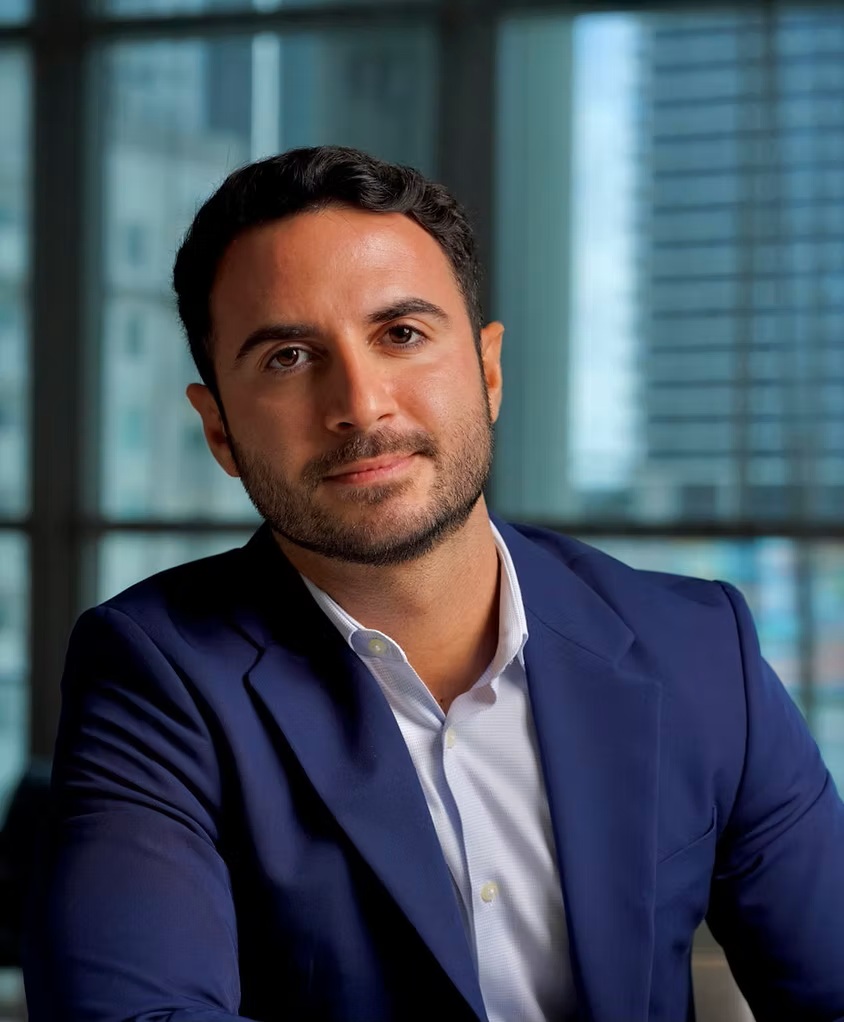
Dr. Jonathan Rabbani, PsyD is a Licensed Clinical Psychologist and Founder of Mindset Psychology, specializing in anxiety, OCD, panic disorders, ADHD, depression, and self-esteem. He utilizes evidence-based approaches, including Cognitive Behavioral Therapy (CBT), Acceptance and Commitment Therapy (ACT), and Mindfulness-based practices to help patients achieve meaningful, lasting change. Known for his warm, collaborative, and culturally sensitive style, Dr. Rabbani creates a safe, non-judgmental space where patients feel empowered to set goals and take control of their mental health journey. He holds a Doctor of Psychology (PsyD) from The Chicago School of Professional Psychology and a Bachelor of Arts in Psychology from CUNY Baruch College.