

Therapists
Finding a therapist in Binghamton isn’t just about location; it’s about finding someone whose approach actually matches what you’re going through right now.
With more options available than ever, including telehealth, it can be easy to feel overwhelmed by where to start. Breaking the process down into a few clear steps makes it much easier to find a therapist who’s genuinely the right fit.
Start With What You’re Looking For
Before searching, it helps to get clear on what kind of support you actually need. That might be tied to a specific concern, like anxiety or a major life transition, or it might be more general, like wanting a space to talk things through.
It’s also worth thinking about whether you’re looking for ongoing support or something more short-term, and whether you need individual, couples, or family-focused care. Having even a rough idea of this narrows the search considerably.
Where to Look
Practices that offer telehealth tend to give you access to a wider range of therapists, rather than being limited to whoever happens to be nearby. This is especially helpful in areas where in-person options might be more limited.
Look for providers who list their specialties clearly, since this makes it easier to match your needs with their experience. Reviews or referrals from people you trust can also point you toward a good starting place, though it’s still worth evaluating any therapist based on your own conversation with them.
What to Consider Before Committing
Insurance coverage and session costs are practical factors worth confirming early on, so there are no surprises once you start. It’s also worth checking that a therapist’s availability actually fits your schedule, especially if you have limited flexibility during the week.
Many practices offer a consultation before your first full session, which is a useful way to ask questions and get a sense of fit without committing right away.
Giving It Time to Work
The first session sets the foundation for everything that follows, but it’s okay if it takes a session or two to really assess whether the fit feels right.
Open communication throughout the process helps keep therapy on track, whether that means telling your therapist what’s working or what isn’t. Being honest along the way tends to lead to better outcomes than sticking with something that doesn’t feel right just to avoid an awkward conversation.
Conclusion
Finding the right therapist in Binghamton takes a little research, but it pays off with sessions that actually feel productive and supportive over time.
Mindset Psychology offers telehealth therapy across New York State, including Binghamton, with a team trained in a range of approaches to match each client’s specific needs. A free 15-minute consultation is available before your first full session. Call 516-208-2638 to get started.
Frequently Asked Questions
How do I know which type of therapist I need?
Thinking through your main concern, whether that’s anxiety, a relationship issue, or something else, is a good starting point for narrowing down the right type of therapist.
Is telehealth therapy as effective as in-person sessions?
Yes, research generally shows telehealth therapy to be just as effective as in-person sessions for most concerns.
How long does it take to find the right therapist?
It varies, but many people find a good fit within their first one or two consultations.
Does insurance cover telehealth therapy?
Many insurance plans do cover telehealth sessions, though it’s worth confirming your specific benefits beforehand.
What if I’m not sure what I need help with yet?
That’s completely okay. A consultation can help clarify what kind of support might be most useful for your situation.
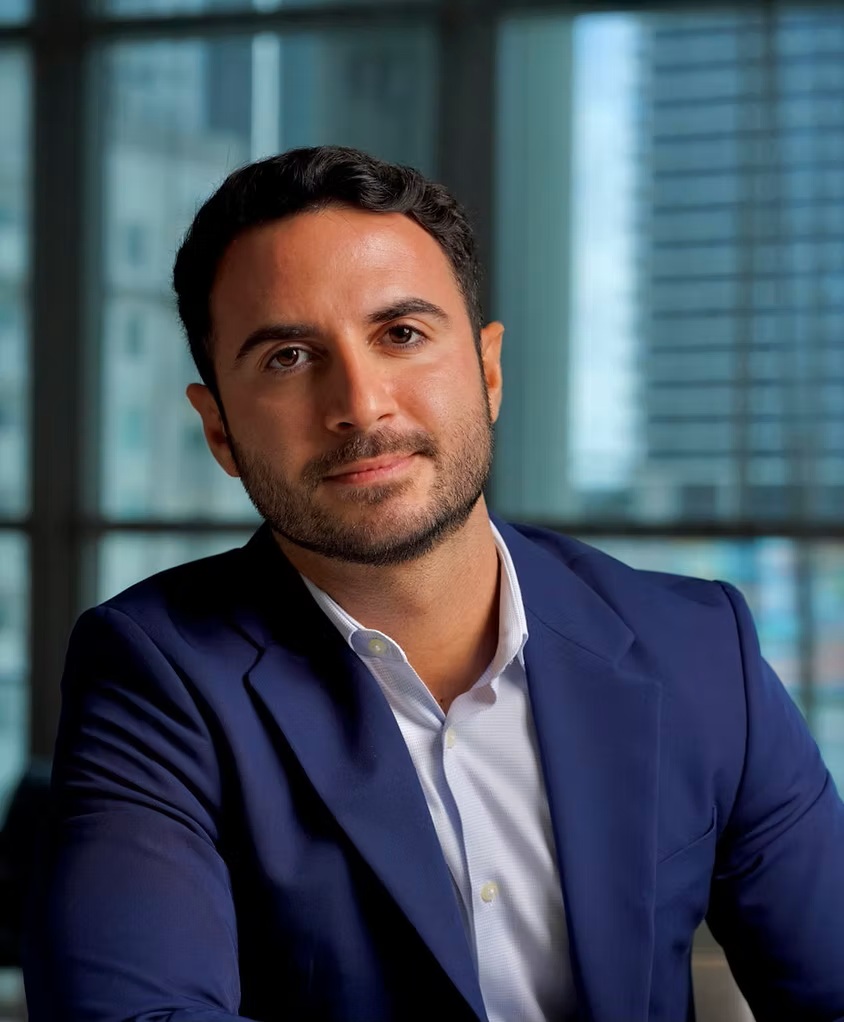
Dr. Jonathan Rabbani, PsyD is a Licensed Clinical Psychologist and Founder of Mindset Psychology, specializing in anxiety, OCD, panic disorders, ADHD, depression, and self-esteem. He utilizes evidence-based approaches, including Cognitive Behavioral Therapy (CBT), Acceptance and Commitment Therapy (ACT), and Mindfulness-based practices to help patients achieve meaningful, lasting change. Known for his warm, collaborative, and culturally sensitive style, Dr. Rabbani creates a safe, non-judgmental space where patients feel empowered to set goals and take control of their mental health journey. He holds a Doctor of Psychology (PsyD) from The Chicago School of Professional Psychology and a Bachelor of Arts in Psychology from CUNY Baruch College.