


We are now offering telehealth appointments

Accepting patients in NY, TX, VA, DE, CO, WI & AZ

mindset logo
  • Our Team
    • Dr. Jonathan Rabbani, PsyD
    • Dr. Uri Krakauer, PsyD
    • Dr. Lindsay Werkheiser, PsyD
    • Dr. Erin Jerome, PsyD
    • Dr. Bianca Vélez, PsyD
    • Dr. Rodrigo Muñoz, PsyD
    • Dr. Ann Marie Nikola, PsyD
    • Kayla Pulizzi, LMSW
    • Nichole Mina, LCSW
    • Jake Dann-Soury, LCSW
    • Samantha Furst, LMSW, LCAT
    • David Jannain, PMHNP-BC
    • Limor Tabib, RDN
  • Services
    • Individual Therapy
    • Couples Therapy
    • Medication Management
    • Adolescent Therapy
    • Online Therapy
    • Psychiatric Medication
    • Psychological Assessment
    • Dietitian
  • Conditions
    • ADHD
    • Anxiety
    • Depression
    • Grief and Loss
    • LGBTQ Issues
    • Life Transitions
    • PTSD
    • Relationship Issues
    • Religion and Culture
    • Self-Esteem
    • Sexual Dysfunction
    • Sleep Disorders
    • Work-Life Balance
  • Types of Therapy
    • Acceptance and Commitment Therapy (ACT)
    • Cognitive Behavioral Therapy (CBT)
    • Dialectical Behavior Therapy (DBT)
    • EMDR Therapy
    • Exposure and Response Prevention (ERP)
    • Mindfulness-Based Therapy (MBT)
    • Psychodynamic Therapy
  • About Us
  • More
    • Podcast
    • FAQ’s
    • Blog
    • Contact Us
    • Careers
516-208-2638
BOOK NOW
mindset logo
516-208-2638
BOOK NOW
mindset logo
mindset logo
516-208-2638
BOOK NOW
516-208-2638
BOOK NOW
mindset logo
  • Our Team
    • Dr. Jonathan Rabbani, PsyD
    • Dr. Uri Krakauer, PsyD
    • Dr. Lindsay Werkheiser, PsyD
    • Dr. Erin Jerome, PsyD
    • Dr. Bianca Vélez, PsyD
    • Dr. Rodrigo Muñoz, PsyD
    • Dr. Ann Marie Nikola, PsyD
    • Kayla Pulizzi, LMSW
    • Nichole Mina, LCSW
    • Jake Dann-Soury, LCSW
    • Samantha Furst, LMSW, LCAT
    • David Jannain, PMHNP-BC
    • Limor Tabib, RDN
  • Services
    • Individual Therapy
    • Couples Therapy
    • Medication Management
    • Adolescent Therapy
    • Online Therapy
    • Psychiatric Medication
    • Psychological Assessment
    • Dietitian
  • Conditions
    • ADHD
    • Anxiety
    • Depression
    • Grief and Loss
    • LGBTQ Issues
    • Life Transitions
    • PTSD
    • Relationship Issues
    • Religion and Culture
    • Self-Esteem
    • Sexual Dysfunction
    • Sleep Disorders
    • Work-Life Balance
  • Types of Therapy
    • Acceptance and Commitment Therapy (ACT)
    • Cognitive Behavioral Therapy (CBT)
    • Dialectical Behavior Therapy (DBT)
    • EMDR Therapy
    • Exposure and Response Prevention (ERP)
    • Mindfulness-Based Therapy (MBT)
    • Psychodynamic Therapy
  • About Us
  • More
    • Podcast
    • FAQ’s
    • Blog
    • Contact Us
    • Careers
516-208-2638
BOOK NOW
Mindset Logo
516-208-2638
BOOK NOW
Mindset Logo
516-208-2638
BOOK NOW
  • Our Team
    • Dr. Jonathan Rabbani, PsyD
    • Dr. Uri Krakauer, PsyD
    • Dr. Lindsay Werkheiser, PsyD
    • Dr. Erin Jerome, PsyD
    • Dr. Bianca Vélez, PsyD
    • Dr. Rodrigo Muñoz, PsyD
    • Dr. Ann Marie Nikola, PsyD
    • Kayla Pulizzi, LMSW
    • Nichole Mina, LCSW
    • Jake Dann-Soury, LCSW
    • Samantha Furst, LMSW, LCAT
    • David Jannain, PMHNP-BC
    • Limor Tabib, RDN
  • Services
    • Individual Therapy
    • Couples Therapy
    • Medication Management
    • Adolescent Therapy
    • Online Therapy
    • Psychiatric Medication
    • Psychological Assessment
    • Dietitian
  • Conditions
    • ADHD
    • Anxiety
    • Depression
    • Grief and Loss
    • LGBTQ Issues
    • Life Transitions
    • PTSD
    • Relationship Issues
    • Religion and Culture
    • Self-Esteem
    • Sexual Dysfunction
    • Sleep Disorders
    • Work-Life Balance
  • Types of Therapy
    • Acceptance and Commitment Therapy (ACT)
    • Cognitive Behavioral Therapy (CBT)
    • Dialectical Behavior Therapy (DBT)
    • EMDR Therapy
    • Exposure and Response Prevention (ERP)
    • Mindfulness-Based Therapy (MBT)
    • Psychodynamic Therapy
  • About Us
  • More
    • Podcast
    • FAQ’s
    • Blog
    • Contact Us
    • Careers
Author: Dr. Jonathan Rabbani
HomeDr. Jonathan RabbaniPage 8
Out of Network Therapist
Therapists
October 17, 2024By Dr. Jonathan Rabbani

Out of Network Therapist: Why Choosing Flexibility Over Insurance May Benefit Your Mental Health

Finding a therapist who truly “gets you” can be a challenging and deeply personal journey. When you’re struggling, you don’t just need someone who ticks the boxes for insurance—you need an Out of Network Therapist who feels like the right fit and can genuinely support you through your toughest times. But when you’re limited to a list of in-network options, it’s easy to feel like you’re stuck choosing what’s available rather than what’s actually best for you. It’s frustrating, and it can even make you question if you’re getting the quality of care you deserve.

That’s where the idea of working with an Out of Network Therapist comes in. It’s not just about being outside the insurance network; it’s about giving yourself the freedom to prioritize what feels right for you. With an Out of Network Therapist, you can find a provider who truly matches your needs, without worrying about whether they’re on an approved list. In this guide, we’ll dive into why stepping away from insurance limitations can actually help you get the most out of therapy, and how choosing flexibility could make all the difference in your mental health journey.

Exploring the Differences Between In-Network and Out-of-Network Therapy

To understand the advantages of out-of-network therapy, it’s essential to know the difference between in-network and out-of-network services. When you choose an in-network therapist, it means that the therapist has an agreement with your insurance company to provide services at a negotiated rate. This often translates to lower out-of-pocket costs and easier access to coverage. However, it may also come with limitations, such as a restricted choice of therapists and fewer treatment options.

In contrast, an out-of-network therapist does not have a pre-existing agreement with your insurance provider. While this means that your insurance may not cover as much of the cost upfront, you may still be able to receive partial reimbursement by submitting a claim. Out-of-network therapy often allows for greater flexibility in terms of therapist choice, session length, and treatment style, which can be especially valuable for those with specific needs or preferences.

Benefits of Choosing an Out-of-Network Therapist

Opting for an out-of-network therapist might seem like an unconventional choice, especially if you’re used to sticking to what your insurance covers. However, there are several compelling reasons to consider this option for your mental health care.

1. Greater Therapist Choice

One of the primary benefits of choosing an out-of-network therapist is access to a wider range of professionals. When you limit yourself to in-network options, your choices are confined to therapists who have contracted with your insurance provider. This can be especially limiting if you’re looking for someone with a specific specialization, such as trauma therapy, EMDR, or couples counseling. By opting for an out-of-network therapist, you have the freedom to find a therapist who truly aligns with your needs and therapeutic goals, regardless of whether they accept your insurance.

2. Personalized Treatment Plans

Out-of-network therapy also opens the door to more personalized and flexible treatment options. When working with an in-network provider, your insurance company may dictate certain aspects of your therapy, such as the number of sessions covered, the duration of each session, or the types of treatments that are eligible for coverage. Out-of-network therapists, on the other hand, can offer a more tailored approach, allowing for longer sessions, increased frequency of appointments, or the use of alternative therapeutic modalities. This level of customization can significantly enhance the quality of care and promote faster, more meaningful progress.

3. Reduced Wait Times

Mental health struggles often require timely intervention, but long wait times are common with in-network therapists due to high demand. If you’re struggling with a mental health crisis or experiencing worsening symptoms, waiting several weeks or even months for an available appointment can be detrimental. By choosing an out-of-network therapist, you may be able to bypass these long waitlists and access care more quickly, enabling you to start working on your healing journey when you need it most.

How To Maximize Your Out-of-Network Benefits?

Before starting therapy, review your insurance plan to understand its out-of-network benefits. Some plans offer partial reimbursement for out-of-network services, allowing you to submit claims for the cost of each session. The reimbursement rate will vary depending on your plan, and there may be a deductible you need to meet first. Understanding these details will help you plan for the costs and take advantage of any available benefits.

Submitting claims for out-of-network therapy may sound complicated, but it is usually a straightforward process. After your session, your therapist can provide a “superbill,” which is an itemized receipt that includes all the information your insurance company needs to process your claim. You can then submit this superbill to your insurance company for partial reimbursement. Be sure to keep track of your submissions and follow up with your insurance provider if there are any delays.

If you have an HSA or FSA, you can use these funds to cover the cost of out-of-network therapy. Contributions to these accounts are made pre-tax, which can make the expenses more manageable. Using an HSA or FSA to pay for therapy can help reduce the overall financial impact while still allowing you to access the therapist that’s the best fit for your needs.

When Choosing An Out-of-Network Therapist Is The Right Decision?

While opting for an out-of-network therapist may not be the best choice for everyone, there are specific situations where it could be particularly beneficial.

  • Specialized Needs: If you’re seeking therapy for a specific mental health condition, such as PTSD, OCD, or eating disorders, you may need to see a therapist with specialized expertise. Often, these specialists do not participate in insurance networks, making out-of-network therapy the better option.

  • Therapeutic Fit: Finding a therapist who truly understands you and can establish a strong therapeutic alliance is essential for effective treatment. If none of the in-network therapists feel like the right fit, it may be worth considering out-of-network options to prioritize the quality of the relationship over insurance limitations.

  • Complex or Niche Issues: For individuals with complex mental health needs, such as co-occurring disorders, trauma history, or unique lifestyle considerations, having access to a therapist who is experienced in these areas can significantly enhance the quality of care.

Addressing Cost Concerns When Going Out-of-Network

Choosing an out-of-network therapist doesn’t have to mean breaking the bank. Here are some strategies to help manage the costs. Many out-of-network therapists offer sliding scale fees, which adjust the cost of each session based on your income. Don’t hesitate to ask potential therapists if they provide this option, as it can make therapy more accessible.

Think of therapy as an investment in your long-term well-being. Consider allocating part of your monthly budget specifically for mental health care. While it may require some financial adjustment, the benefits of quality therapy can outweigh the cost in the long run. Sometimes, investing in the right therapist can lead to faster and more effective outcomes. If working with an out-of-network therapist results in quicker progress, you may end up needing fewer sessions, which can reduce overall costs.

Mindset Psychology’s Approach To Flexible Mental Health Care

Mindset Psychology understands that quality mental health care should not be limited by insurance networks. We offer flexible, out-of-network therapy options to help you find the right therapist for your unique needs. Our team is committed to providing personalized care, specialized treatment approaches, and flexible scheduling, ensuring that you receive the support you deserve without the restrictions of in-network coverage. Visit our website to learn more about our mental health services and see how we can help you navigate out-of-network therapy for a more tailored approach to healing.

Conclusion

Choosing an out-of-network therapist may seem like a less conventional route, but it offers significant benefits when it comes to finding the right fit, accessing specialized care, and receiving personalized treatment. While cost can be a consideration, there are strategies to make out-of-network therapy more affordable and ultimately more valuable. If you prioritize quality of care and therapeutic connection over insurance limitations, the choice to go out-of-network may be the key to unlocking your mental health potential.

Contact Mindset Psychology today to discuss options for out-of-network therapy and start your journey toward better mental health. Let us help you find the right therapist who can support you every step of the way.

Dr. Jonathan Rabbani

Dr. Jonathan Rabbani, PsyD is a Licensed Clinical Psychologist and Founder of Mindset Psychology, specializing in anxiety, OCD, panic disorders, ADHD, depression, and self-esteem. He utilizes evidence-based approaches including Cognitive Behavioral Therapy (CBT), Acceptance and Commitment Therapy (ACT), and Mindfulness-based practices to help patients achieve meaningful, lasting change. Known for his warm, collaborative, and culturally sensitive style, Dr. Rabbani creates a safe, non-judgmental space where patients feel empowered to set goals and take control of their mental health journey. He holds a Doctor of Psychology (PsyD) from The Chicago School of Professional Psychology and a Bachelor of Arts in Psychology from CUNY Baruch College.

Read More
Manage ADHD With Medication
Psychiatric disorder
October 15, 2024By Dr. Jonathan Rabbani

Effective Strategies On How To Manage ADHD With Medication

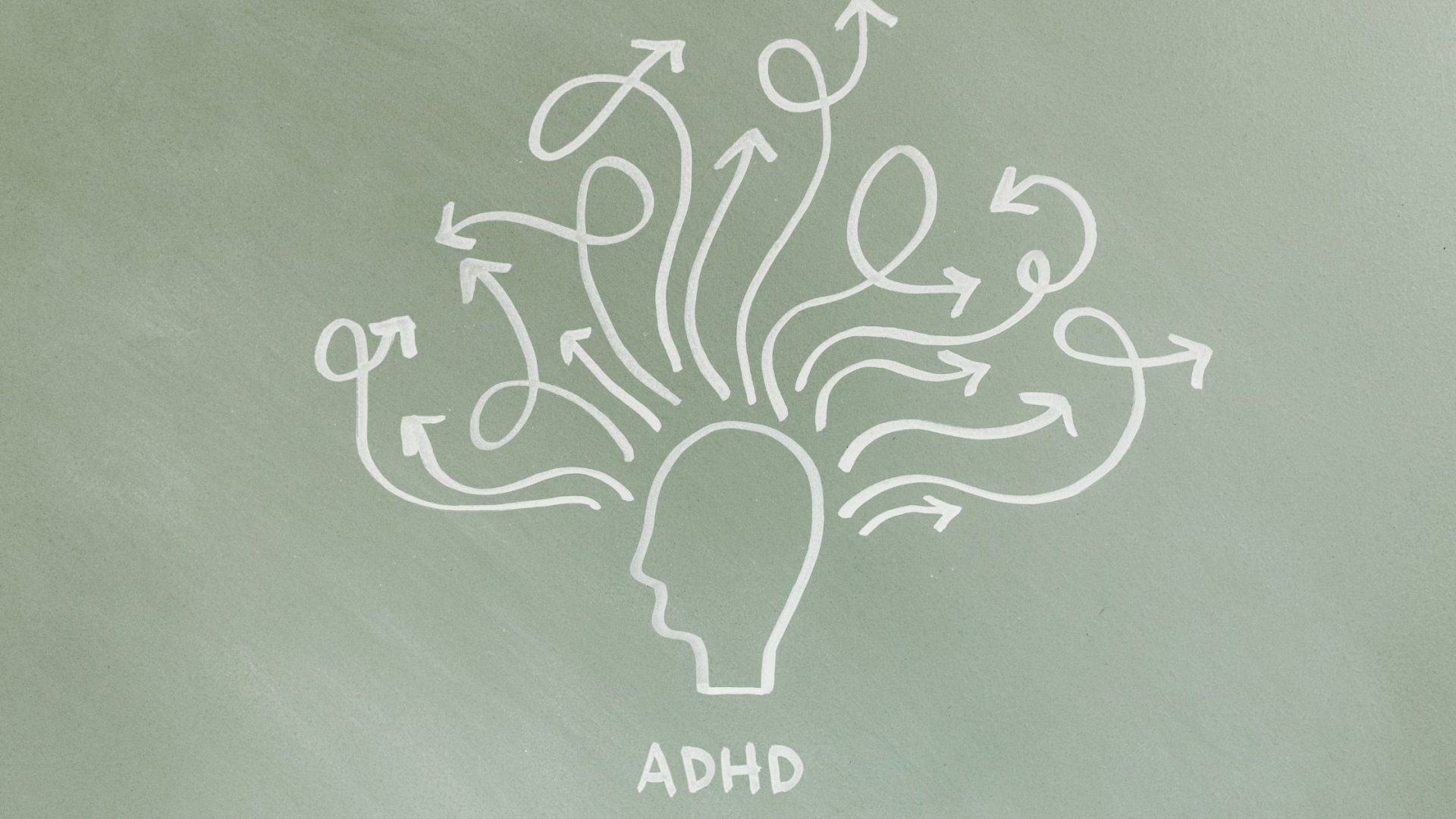
Living with ADHD can feel like your mind is always racing, jumping from one thought to another, while everyday tasks seem to slip through your fingers. It’s more than just having a hard time focusing; it’s the frustration of forgetting important things, struggling to stay organized, or feeling like you’re constantly playing catch-up with life. These daily battles can be exhausting and, over time, take a toll on your sense of well-being and self-esteem.

But you’re not alone in this, and managing ADHD with medication doesn’t have to feel like an uphill struggle. For many, medication is a key part of regaining control, helping to steady the mind and ease some of the chaos. Yet, knowing how to navigate treatment options and make the most of what’s available isn’t always straightforward. This guide aims to cut through the confusion, offering practical, effective strategies for using medication to better manage ADHD, so you can start living with more clarity and less overwhelm. Let’s dive in and find a path forward together.

Exploring ADHD Treatment Paths with Medication

ADHD affects both children and adults, and its symptoms can manifest differently depending on age and individual experiences. Common symptoms include trouble concentrating, impulsive behavior, restlessness, and difficulty completing tasks. These challenges can interfere with school, work, and personal life, leading to feelings of frustration or low self-esteem.

Medication is a common and effective approach to managing ADHD. The two main categories of ADHD medications are stimulants and non-stimulants. Stimulant medications, such as Adderall and Ritalin, are widely prescribed and work by increasing levels of dopamine and norepinephrine in the brain, which can help improve focus and reduce hyperactivity. Non-stimulant medications, such as Strattera and Intuniv, may be used when stimulant medications aren’t effective or cause unwanted side effects. Non-stimulants work by affecting different neurotransmitters to help control symptoms over a longer period.

Understanding how these medications function is crucial for managing ADHD effectively. Stimulants generally start working within 30 to 60 minutes of taking them, making them useful for immediate symptom control. Non-stimulants may take several weeks to show noticeable effects but can offer a more consistent management option without the peaks and troughs sometimes associated with stimulant use.

Working With a Healthcare Provider to Find the Right Medication?

Finding the right ADHD medication often requires collaboration between the individual and a healthcare professional. An accurate diagnosis is essential before starting any medication. ADHD can be mistaken for other conditions, such as anxiety or depression, which may require different treatment approaches. A healthcare provider can assess symptoms, medical history, and any coexisting conditions to determine the best course of action.

When choosing medication, factors such as age, lifestyle, and other health conditions play a significant role. For example, children may respond differently to certain medications than adults, and someone with a history of substance use may benefit from a non-stimulant option. It’s important to discuss any concerns, such as potential side effects or medication costs, with the doctor to ensure the chosen treatment aligns with your needs.

Establishing treatment goals can also help guide the medication choice. Discuss with your healthcare provider what you hope to achieve, whether it’s improving concentration, reducing impulsivity, or managing hyperactivity. This will help create a tailored treatment plan that addresses your specific challenges and lifestyle.

Effective Strategies for Managing ADHD Medication

Successfully managing ADHD with medication involves more than just taking a pill; it requires a thoughtful approach to ensure optimal results. Here are some effective strategies to consider:

1. Consistent Medication Routine

Taking medication at the same time each day helps maintain consistent levels of the drug in your system, maximizing its effectiveness. Set a daily reminder or use a pill organizer to help keep your medication routine on track. Sticking to a routine can also make it easier to identify if any changes in symptoms are related to medication or other factors.

2. Monitoring Medication Effects

Tracking how you feel after taking your medication can provide valuable insights. Consider keeping a journal where you note any changes in focus, energy levels, mood, or side effects. This information can help your healthcare provider make informed adjustments to your treatment plan if necessary. It’s also helpful to involve family members or teachers who can provide feedback on noticeable changes in behavior or performance.

3. Regular Follow-Ups

Routine check-ins with your healthcare provider are essential for evaluating the effectiveness of the medication. During these follow-ups, discuss any changes in symptoms, side effects, or lifestyle factors that could influence your treatment. Your doctor may adjust the dosage or suggest switching to a different medication based on this feedback.

4. Managing Side Effects

Like any medication, ADHD treatments can cause side effects. Common side effects include changes in appetite, sleep disturbances, or headaches. If you experience side effects, there are strategies to manage them. For instance, taking medication with food may help reduce nausea, while adjusting the time you take the medication can alleviate sleep issues. Communicate with your healthcare provider about any side effects, as they can recommend adjustments to your regimen or switch you to another medication if needed.

Combining Medication With Other ADHD Management Strategies

Medication is just one component of ADHD treatment. For a more comprehensive approach, it is often beneficial to incorporate additional strategies such as behavioral therapy, lifestyle changes, and mindfulness practices. Combining medication with these strategies can provide a holistic approach to managing ADHD.

Behavioral therapy, for example, can teach skills to improve time management, organization, and social interactions. Techniques learned in therapy can complement medication by providing practical tools for managing daily challenges.

Lifestyle changes, such as regular exercise, a balanced diet, and adequate sleep, can also support overall well-being and may enhance the effectiveness of medication. Physical activity helps release dopamine and serotonin, which can improve mood and concentration naturally. Mindfulness practices, like meditation, can reduce stress and increase self-awareness, making it easier to recognize and manage ADHD symptoms.

Building a support system is another critical aspect of ADHD management. Family members, teachers, or colleagues who understand your condition can provide encouragement and practical help. This support network can be a valuable resource for coping with day-to-day challenges and staying on track with your treatment plan.

When to Reassess Your ADHD Medication Plan?

Over time, the effectiveness of a medication can change, or new symptoms may emerge. It’s important to recognize signs that it may be time to reassess your medication plan. This could include experiencing new side effects, a noticeable decrease in medication effectiveness, or significant changes in life circumstances, such as starting a new job or moving to a different environment.

If you feel it’s time to revisit your medication, schedule a consultation with your healthcare provider. They can help determine whether adjusting the dosage, switching medications, or adding complementary treatments is the best approach. Remember, managing ADHD is an ongoing process, and staying in close communication with your doctor will help ensure your treatment remains effective.

Managing ADHD with Mindset Psychology: Expert Support for Lasting Change

At Mindset Psychology, we understand that managing ADHD is not a one-size-fits-all approach. Our experienced team of mental health professionals offers a range of services designed to help you navigate ADHD, including comprehensive evaluations, medication management, and therapy. We provide a supportive environment where clients can explore different treatment options and develop personalized strategies to manage their symptoms.

Mindset Psychology specializes in medication management for ADHD, working closely with clients to find the right balance of treatment that suits their lifestyle and goals. We also offer therapy services, such as cognitive-behavioral therapy, to address behavioral challenges and support holistic symptom management. Our team is here to help you take proactive steps in managing your ADHD and improving your quality of life.

Conclusion

Effectively managing ADHD involves a combination of medication, complementary strategies, and ongoing support. Medication can significantly reduce symptoms, but it works best when combined with lifestyle changes, behavioral therapy, and a strong support system. By staying proactive in your treatment and working closely with your healthcare provider, you can find a management plan that fits your unique needs.

For those seeking expert guidance, Mindset Psychology is here to help. Contact us today to learn more about how we can assist with personalized ADHD management plans, including medication and therapy options. Your journey toward better ADHD management starts here.

Dr. Jonathan Rabbani

Dr. Jonathan Rabbani, PsyD is a Licensed Clinical Psychologist and Founder of Mindset Psychology, specializing in anxiety, OCD, panic disorders, ADHD, depression, and self-esteem. He utilizes evidence-based approaches including Cognitive Behavioral Therapy (CBT), Acceptance and Commitment Therapy (ACT), and Mindfulness-based practices to help patients achieve meaningful, lasting change. Known for his warm, collaborative, and culturally sensitive style, Dr. Rabbani creates a safe, non-judgmental space where patients feel empowered to set goals and take control of their mental health journey. He holds a Doctor of Psychology (PsyD) from The Chicago School of Professional Psychology and a Bachelor of Arts in Psychology from CUNY Baruch College.

Read More
EMDR Consultation
EMDR Consultation
October 13, 2024By Dr. Jonathan Rabbani

EMDR Consultation: Unlocking Trauma Healing Through Professional Guidance

The effects of trauma don’t just fade away with time. For many, the memories linger and resurface in unexpected moments, impacting sleep, mood, and the ability to connect with others. When everyday life feels like a constant struggle to keep those past experiences at bay, finding a way to truly heal can seem out of reach. EMDR (Eye Movement Desensitization and Reprocessing) therapy has opened a door for many people, providing a path to process trauma in a way that feels more manageable and less overwhelming. But for this approach to truly make a difference, it takes more than just the right techniques—it requires the right support behind the scenes.

This is where EMDR consultation steps in, offering therapists a space to grow and refine their skills while tackling the unique challenges that come with treating trauma. It’s not just about learning the steps; it’s about understanding how to navigate the deeply personal nature of each client’s healing journey. In this guide, we’ll explore the role of EMDR consultation in deepening trauma recovery, and why professional guidance is a cornerstone for both therapists and those they help. Together, let’s look at how the right support can unlock the true power of EMDR therapy and open the door to genuine healing.

Getting To Know EMDR Therapy

EMDR therapy is an evidence-based treatment that focuses on desensitization and reprocessing distressing memories, helping clients reduce the emotional impact of traumatic experiences. It was developed by Dr. Francine Shapiro in the late 1980s and has since been recognized as an effective treatment for PTSD, anxiety, phobias, and other mental health issues. The therapy works by stimulating the brain’s natural healing processes through bilateral stimulation, typically in the form of eye movements, tapping, or auditory tones. This stimulation helps the brain process and integrate traumatic memories in a less distressing way.

The core principles of EMDR revolve around identifying distressing memories, reducing their emotional impact, and reprocessing them to create new, healthier associations. The therapy is structured into eight phases, which include history-taking, preparation, assessment, desensitization, installation, body scan, closure, and reevaluation. Each phase contributes to the healing process by ensuring that the client is ready for the intense work of trauma processing and that the therapy remains safe and effective throughout.

What Is EMDR Consultation?

EMDR consultation is a professional service that supports EMDR therapists in refining their skills, navigating challenging cases, and adhering to established protocols. It is designed to enhance the quality of EMDR therapy and help therapists deliver the best possible outcomes for their clients. Unlike supervision, which often involves overseeing a therapist’s work as part of licensure requirements, EMDR consultation focuses specifically on supporting therapists in their practice of EMDR.

Consultation can benefit both novice and experienced EMDR practitioners. For therapists who are new to EMDR, consultation provides the guidance needed to build confidence and competence in the therapeutic approach. For more experienced therapists, consultation offers a space to discuss complex cases, receive feedback, and stay updated on the latest best practices. Additionally, EMDR consultation is a requirement for therapists who wish to become certified or approved consultants in EMDR.

The Importance of Professional Guidance In EMDR

Professional guidance is crucial in EMDR therapy because it ensures that therapists are following the appropriate protocols and delivering therapy in a way that is safe and effective. The structured nature of EMDR therapy requires adherence to specific steps, and consultation helps therapists understand and implement these steps correctly. Through consultation, therapists can receive valuable insights that enhance their skills and improve client outcomes.

For therapists, navigating challenging cases can sometimes feel overwhelming, especially when working with clients who have complex trauma histories or co-occurring conditions. EMDR consultation provides a space to discuss these challenges and receive constructive feedback on how to approach them. It can also help therapists avoid common pitfalls, such as deviating from established protocols or failing to adequately prepare clients for trauma processing.

In addition to enhancing the quality of therapy, professional consultation plays a role in preventing therapist burnout. Working with trauma can be emotionally taxing, and having a supportive consultation relationship allows therapists to discuss their experiences, receive encouragement, and maintain a healthy professional practice. This support helps ensure that therapists continue to deliver high standards of care without compromising their own well-being.

Key Components of Effective EMDR Consultation

Effective EMDR consultation involves several key components that help therapists grow professionally and improve their therapeutic practice:

1. Case Discussion and Feedback

One of the primary functions of EMDR consultation is the discussion of specific client cases. Through case discussions, therapists can present challenging situations, share their therapeutic approach, and receive constructive feedback from the consultant. This process allows for a deeper understanding of how to handle complex cases and tailor treatment strategies to meet each client’s unique needs.

2. Skill Development and Refinement

EMDR consultation is not just about addressing immediate challenges; it’s also about continuous growth. Consultants help therapists refine their EMDR techniques, stay informed about new research, and adopt best practices. This ongoing development is especially important for therapists seeking certification or wishing to offer advanced EMDR techniques.

3. Ethical and Professional Issues

Therapists may encounter ethical dilemmas or professional challenges while practicing EMDR. Consultation provides a platform for discussing these issues in a confidential and supportive environment. It also offers guidance on maintaining ethical standards and addressing concerns such as informed consent, boundary-setting, and managing dual relationships.

Who Can Benefit From EMDR Consultation?

EMDR consultation is valuable for a variety of mental health professionals, including:

  • Licensed Therapists: Therapists who have completed EMDR training and are working with clients can benefit from consultation to improve their skills, gain confidence, and receive support for difficult cases.

  • EMDR Trainees: Those who are in the process of completing EMDR training need consultation as part of the certification process. It helps them build a solid foundation and prepare for independent practice.

  • Certified EMDR Therapists: Even after achieving certification, ongoing consultation can help therapists stay updated on the latest techniques and navigate particularly challenging cases.

The advantages of consultation extend to therapists at all levels of experience. For beginners, it offers essential guidance and support, while advanced practitioners can use consultation to explore complex cases and refine their skills further. Consultation is also necessary for those pursuing EMDR certification or seeking to fulfill continuing education requirements.

Mindset Psychology’s Comprehensive Support For EMDR Consultation

At Mindset Psychology, we are committed to providing high-quality EMDR consultation services that support therapists in delivering effective trauma healing. Our team of experienced EMDR consultants offers a range of services, including individual and group consultation sessions, certification guidance, and case support. Whether you are new to EMDR or an experienced therapist looking for ongoing professional development, we have consultation options to meet your needs.

Mindset Psychology’s consultation services are designed to help therapists achieve their professional goals while enhancing the quality of care they provide. We focus on creating a supportive environment where therapists can discuss cases openly, refine their skills, and receive expert advice on ethical and clinical issues. Our consultants are dedicated to helping you unlock the full potential of EMDR therapy and improve outcomes for your clients.

Conclusion

EMDR consultation plays a crucial role in enhancing the effectiveness of trauma healing and supporting therapists throughout their professional journey. By providing guidance on case discussions, skill development, and ethical issues, consultation helps therapists deliver high-quality EMDR therapy while maintaining high standards of care. Seeking professional consultation is a proactive step toward ensuring the best possible outcomes for clients and supporting the therapist’s growth and well-being.

For therapists seeking expert guidance, Mindset Psychology is here to help. Our EMDR consultation services are tailored to meet your specific needs, whether you’re pursuing certification, managing challenging cases, or looking to enhance your skills. Contact us today to learn more about how we can support you in unlocking the full potential of trauma healing through guided professional consultation. Let’s work together to make a meaningful difference in the lives of those affected by trauma.

Dr. Jonathan Rabbani

Dr. Jonathan Rabbani, PsyD is a Licensed Clinical Psychologist and Founder of Mindset Psychology, specializing in anxiety, OCD, panic disorders, ADHD, depression, and self-esteem. He utilizes evidence-based approaches including Cognitive Behavioral Therapy (CBT), Acceptance and Commitment Therapy (ACT), and Mindfulness-based practices to help patients achieve meaningful, lasting change. Known for his warm, collaborative, and culturally sensitive style, Dr. Rabbani creates a safe, non-judgmental space where patients feel empowered to set goals and take control of their mental health journey. He holds a Doctor of Psychology (PsyD) from The Chicago School of Professional Psychology and a Bachelor of Arts in Psychology from CUNY Baruch College.

Read More
Aetna Therapists
Aetna Therapists
October 13, 2024By Dr. Jonathan Rabbani

Aetna Therapists: How To Maximize Your Health Coverage For Mental Health Care

We all face moments when life feels like it’s moving too fast or the weight of everything just becomes too much. Whether it’s the stress of managing work, navigating relationships, or simply dealing with the unpredictable nature of everyday life, our mental health can quietly slip into the background. It’s in these times that having someone to talk to—like a therapist—can make all the difference in finding a way forward.

For those with Aetna health insurance, mental health support might be more accessible than you realize. Aetna therapists offer a range of services, from individual counseling to specialized treatments, helping you address various mental health concerns. However, the maze of insurance terms and coverage details can make the process feel anything but straightforward. This guide is about clearing up that confusion and showing you how to make the most of your Aetna benefits for mental health care. Because when it comes to your well-being, knowing how to use your coverage shouldn’t stand in the way of getting the help you deserve. Let’s explore how you can take full advantage of your insurance and prioritize your mental health.

Understanding Aetna’s Mental Health Coverage

Aetna is one of the leading health insurance providers in the United States, offering a variety of health plans that include mental health benefits. The company recognizes the growing need for mental health services and offers coverage for therapy, counseling, and psychiatric care. Understanding the specific benefits your plan offers can help you better manage your mental health needs.

Aetna’s mental health coverage typically includes several key services. Individual therapy is covered under most plans, allowing you to have one-on-one sessions with a licensed therapist to address personal challenges such as anxiety, depression, and stress management. Family counseling may also be covered, making it possible to address relational issues within a family setting. For those who require medication as part of their treatment, Aetna often provides coverage for medication management with a psychiatrist. Some plans also offer group therapy coverage, which allows individuals to receive support in a group setting and share experiences with others facing similar challenges.

When considering your plan, it’s essential to understand a few common insurance terms. Your deductible is the amount you must pay out of pocket before insurance starts covering your expenses. A copay is a fixed fee you pay for each covered service after meeting the deductible. The out-of-pocket maximum represents the highest amount you will pay for covered services within a year, after which Aetna covers the full cost of benefits. It’s important to know the difference between in-network and out-of-network providers. In-network therapists have agreed to Aetna’s negotiated rates, which tend to be more affordable, while out-of-network providers may charge higher fees, resulting in greater out-of-pocket expenses.

How to Find an Aetna-Covered Therapist?

Locating a therapist covered by your Aetna plan is a straightforward process that starts with using the Aetna provider directory. The directory lists mental health professionals who are in-network, ensuring you can find a therapist who fits both your therapeutic needs and budget. To search, you can filter by location, specialty, and provider type to narrow down options that suit your preferences. This tool also allows you to confirm if a specific therapist participates in Aetna’s network.

Choosing an in-network therapist can lead to significant cost savings. When you see a provider in Aetna’s network, the insurance plan covers a larger portion of the costs, leaving you with a lower copay or coinsurance. On the other hand, seeing an out-of-network therapist often means higher out-of-pocket expenses and potentially paying for the full cost of services upfront. If you choose to see an out-of-network provider, check with Aetna to understand your reimbursement options and ensure you file claims correctly.

Maximizing Your Health Coverage for Therapy Sessions

To make the most of your Aetna coverage, start by understanding the number of therapy sessions covered by your specific plan. Some plans may have a limit on the number of sessions allowed per year, while others may offer unlimited sessions with prior authorization. Knowing these details will help you schedule appointments accordingly and avoid unexpected costs.

There are strategies to minimize out-of-pocket expenses when seeking therapy. One option is to consider teletherapy, which is often covered at the same rate as in-person sessions. Teletherapy offers the convenience of receiving mental health support from the comfort of your home, reducing transportation costs and time commitments. Another approach is to find therapists who offer sliding scale fees, adjusting the session costs based on your income level. This can make therapy more accessible and help stretch your coverage.

Regularly scheduling therapy sessions can also help maximize your benefits. Consistent appointments allow for better progress tracking and can prevent gaps in treatment that may result in more intensive care needs later on. Make sure to discuss your therapy plan with your provider to ensure that the frequency of sessions aligns with your mental health goals and coverage limitations.

Exploring Preauthorization and Claims

Certain mental health services may require preauthorization under Aetna’s guidelines. Preauthorization is a process where your provider seeks approval from the insurance company before a service is rendered to ensure coverage. This step is particularly common for specialized treatments, extended inpatient care, or frequent therapy sessions. Working closely with your therapist or psychiatrist to obtain the necessary approvals can prevent claim denials and unexpected costs.

If you need to file a claim for out-of-network services, be sure to follow Aetna’s claim submission procedures carefully. This typically involves filling out a claim form and providing documentation of the services received. If your claim is denied, you have the right to appeal the decision. Aetna provides resources to help guide you through the appeals process, including case managers and customer service representatives who can explain the steps and requirements.

Additional Mental Health Resources Through Aetna

Aetna goes beyond traditional therapy services by offering a range of supplementary mental health resources. These additional services are designed to support your comprehensive mental health care needs and can be a valuable part of your wellness journey.

Online therapy platforms, for example, provide an alternative way to access therapy, especially for those who may have difficulty attending in-person sessions. These platforms often include text, video, or phone-based counseling with licensed therapists. Aetna’s wellness programs may also include stress management tools, mindfulness practices, and mental health hotlines for immediate support during crises. These resources are generally available to all members and can complement your regular therapy sessions.

Maximizing Your Mental Health Coverage with Mindset Psychology

If you’re looking for a mental health provider covered by Aetna, we at Mindset Psychology are here to help. As a trusted provider, we offer a wide range of mental health services to meet your unique needs. Our team of licensed professionals provides individual therapy, couples counseling, and teletherapy, allowing us to accommodate different preferences and schedules. With a focus on evidence-based treatments, we ensure that you receive personalized care to help you achieve your mental health goals.

We understand the complexities of using health insurance for mental health services, and our staff is here to guide you through the process. We’ll assist you in navigating your Aetna coverage, clarifying benefits, and managing claims to make sure you get the most out of your plan. Whether you’re seeking support for anxiety, relationship issues, or general stress management, our comprehensive approach to mental health can make a meaningful difference in your life.

Conclusion

Accessing mental health care is a crucial step toward maintaining overall well-being, and Aetna health insurance makes it easier by offering coverage for therapy, counseling, and other services. By understanding your plan’s benefits, choosing in-network providers, and maximizing available resources, you can make the most of your Aetna coverage for mental health care. Take proactive steps today to ensure you receive the support you need without overwhelming financial burdens.

For those seeking personalized mental health services, Mindset Psychology can help you explore your Aetna coverage and start your therapy journey. Our experienced team is dedicated to providing accessible, high-quality care to help you achieve a better mental health balance. Contact us today to schedule an appointment and learn how to use your Aetna benefits for optimal mental well-being.

Dr. Jonathan Rabbani

Dr. Jonathan Rabbani, PsyD is a Licensed Clinical Psychologist and Founder of Mindset Psychology, specializing in anxiety, OCD, panic disorders, ADHD, depression, and self-esteem. He utilizes evidence-based approaches including Cognitive Behavioral Therapy (CBT), Acceptance and Commitment Therapy (ACT), and Mindfulness-based practices to help patients achieve meaningful, lasting change. Known for his warm, collaborative, and culturally sensitive style, Dr. Rabbani creates a safe, non-judgmental space where patients feel empowered to set goals and take control of their mental health journey. He holds a Doctor of Psychology (PsyD) from The Chicago School of Professional Psychology and a Bachelor of Arts in Psychology from CUNY Baruch College.

Read More
Relationship Therapists In NYC
Relationship Therapist
September 23, 2024By Dr. Jonathan Rabbani

Top Relationship Therapists In NYC: Helping Couples Thrive

Introduction

Maintaining healthy relationships is crucial to leading a dynamic life, and sometimes professional help is required to support such connections. Couples therapy is an increasingly prevalent component of mental health services, as “the impact of couple distress on both the emotional and physical well-being of adult partners and their offspring” rises, as well as the “evidence of effectiveness of couple therapy not only treating couple distress and related relationship problems but also as a primary or adjunct treatment for a variety individual emotional, behavioral, or physical health disorders” (Synder, Castellani & Whisman, 2005). Relationship therapy is a powerful tool for couples to amplify their relationship by helping address challenges, strengthening their bond, and improving communication and understanding. In this reading, the top relationship therapists in NYC will become available for consideration and the opportunity for couples to succeed in their relationships will become clear.

Why Couples Seek Relationship Therapy

There are many reasons in which couples seek relationship therapy. Some couples recognize a misalignment in communication, a change in goals and desires, unresolved conflicts, emotional or physical disconnection, and more. More specific issues like recovering after a betrayal like infidelity may warrant relationship therapy. Major life changes like a difference in income and finances, moving to a different area, and becoming parents can also require some professional help from a therapist that can provide emotional and psychological understanding to the situation. Therapy allows couples to identify and assess each partner’s underlying issues and methods to navigate conflict. According to psychologist and researcher Peter Steinglass, “each partner has a specific conflict behavior with a specific underlying position; for example, one partner is regularly the one who criticizes while the other partner frequently reacts with withdrawal, establishing a vicious circle” (Rathgeber, Burkner, Schiller & Holling, 2018). Misunderstanding of each partner’s habits and reactions to conflict can create a large obstacle between the couple that may manifest into avoidable separation. The role of the relationship therapist becomes a very crucial one.


The Role of Relationship Therapists

Relationship therapists provide a neutral and level space for couples to openly describe their individual feelings regarding the relationship. This discussion, monitored by the therapist, is for evaluation in pursuit of relieving tension and anger. Evidence-based methods are utilized to help couples improve their communication and find a form of such that fits both partners and allows for full, complete understanding. Resolving conflicts and rebuilding trust are also important factors that a relationship therapist can encourage and provide guidance on. Therapists also help the couple establish a reliable set of problem-solving skills that can survive the test of time between a couple. For future disagreements, misalignments and conflicts, these skills can ensure a healthier, more harmonious path for the couple.

Techniques and Approaches Used by Top

Therapists In NYC, the best relationship therapists employ many different techniques, including Gottman Method, Emotionally Focused Therapy (EFT) and Cognitive Behavioral Therapy (CBT). Named after professor John Gottman, The Gottman Method “includes increasing closeness and friendship behaviors, addressing conflict productively, and building a life of shared meaning together” (McNulty, 2013). This method of relationship therapy focuses on helping couples manage conflict, rather than enforcing the ambitious expectation of resolving it all completely. EFT “proposes that temporal insecure attachment (e.g., fear of abandonment) and negative emotions can derive from disputes between partners” and so the therapeutic process “consists of intense emotional experiences in therapy sessions and the creation of new interaction patterns between partners, such as communicating attachment needs and responding to the partner’s needs” (Rathgeber, Burkner, Schiller & Holling, 2018). CBT is a structured, goal-oriented form of psychotherapy that focuses on changing negative thought patterns and behaviors. The main theory of CBT is that one’s thoughts, feelings, and behaviors impact one another, and that each is connected to one’s mental health and psychological processes. Each approach concentrates on improving communication, regulating emotions, and helping couples develop into a more nuanced and stronger team with mutual understanding. Because every couple is unique and different with their own specific challenges, top relationship therapies tailor their approaches on a case by case basis, to ensure the couple feels fully supported and effectively treated.

How Relationship Therapy Helps Couples Grow

In a conflict, no matter how big or small, aspects like blame, defensiveness and criticism are commonly surfaced. Relationship therapy provides couples with skills and tools to react to conflict in healthier ways. When negativity is learned to be managed and understood, more positive components of a relationship like love, appreciation, romance and support are also more likely to increase and intensify. In addition to assessing conflict in a healthy way, relationship management allows a couple to communicate an issue before it escalates. This creates a more stable and overall happier relationship.

The Benefits of Relationship Therapy for Long-Term Success

Relationship therapy has a list of countless benefits. Research shows that “60–80% of distressed couples benefit from behavioral and emotion-focused approaches to couple therapy” (Bradbury & Bodenmann, 2020). Communication, emotional closeness, and overall relationship satisfaction improve, demonstrating how professional help can be key in avoiding unnecessary separation. Relationship therapy can “help to improve feelings of security in the relationship, increase positive feelings the partners have toward each other, enable couples to cooperate, decrease stress, and provide the couple with tools to overcome future challenges together” (Olivine, 2024). Therapy equips couples with strategies that work best for them and their individual needs to become a stronger pair. Even long after therapy ends, couples can utilize the skills they have learned to maintain a long and healthy relationship.

What to Look for in a Relationship Therapist

Due to couples being very unique in their dynamic (both individually and as a pair), an experienced therapist that has encountered a medley of cases is important. There are a variety of different issues and obstacles that couples can go through, so a therapist that is able to relate past experiences of success in therapy can definitely work in favor. Expertise in different methods like Gottman Therapy and EFT can also be useful in tailoring to specific needs. The therapist should also be able to provide a safe and comfortable space for each individual within the couple to express their honest feelings and concerns to their partner. For each partner to feel heard, respected, and understood is the practice of effective communication, which is the basis of a healthy relationship.

Why Choose Mindset Psychology for Relationship Therapy in NYC

Mindset Psychology is an accomplished and enlightened facility that offers a team of skilled and experienced relationship therapists dedicated to helping couples thrive and reach their true potential. Evidence-based methods like Gottman Method and Emotionally Focused Therapy are utilized to tailor treatment plans to each couple’s needs. Located in NYC, Mindset Psychology provides both in-person and virtual therapy options, making it accessible and convenient for couples seeking professional help. With a compassionate and personalized approach, Mindset Psychology is committed to helping couples overcome challenges and build lasting, healthy relationships.

Conclusion

Relationships require strength and understanding. Couples who are interested in improving their relationship in ways of communication, managing conflicts and deepening emotional connection should seek empathetic and highly informed therapists to offer effective tools and skills for success. Mindset Psychology’s well-equipped team of experienced therapists are here to offer guidance in creating healthy relationships. Contact Mindset Psychology today to unlock the true potential of a strong, loving and healthy relationship with the help of NYC’s top relationship therapists.

Dr. Jonathan Rabbani

Dr. Jonathan Rabbani, PsyD is a Licensed Clinical Psychologist and Founder of Mindset Psychology, specializing in anxiety, OCD, panic disorders, ADHD, depression, and self-esteem. He utilizes evidence-based approaches including Cognitive Behavioral Therapy (CBT), Acceptance and Commitment Therapy (ACT), and Mindfulness-based practices to help patients achieve meaningful, lasting change. Known for his warm, collaborative, and culturally sensitive style, Dr. Rabbani creates a safe, non-judgmental space where patients feel empowered to set goals and take control of their mental health journey. He holds a Doctor of Psychology (PsyD) from The Chicago School of Professional Psychology and a Bachelor of Arts in Psychology from CUNY Baruch College.

Read More
PTSD Therapist In NYC
PTSD Therapist
September 22, 2024By Dr. Jonathan Rabbani

Find A Skilled Complex PTSD Therapist In NYC For Trauma Recovery

Living with Complex PTSD can be exhausting and isolating. The weight of unresolved trauma often feels like it’s impacting every part of your life, from relationships to daily tasks. It’s more than just flashbacks or anxiety; it’s the deep-rooted emotional scars from prolonged trauma, such as abuse, neglect, or chronic stress. Finding the right help can be difficult, but it’s crucial to start the journey toward healing.

If you’re in NYC and dealing with Complex PTSD, working with a skilled therapist who specializes in trauma recovery is essential. This blog will guide you through understanding Complex PTSD and offer insights on how to find the right PTSD therapist in NYC to help you begin the recovery process.

Understanding Complex PTSD

Complex PTSD stems from prolonged and repeated trauma, often in situations where escape is difficult or impossible. This type of trauma could be due to childhood abuse, ongoing domestic violence, or long-term neglect. Because of the persistent nature of the trauma, C-PTSD can lead to a host of long-lasting emotional and psychological challenges.

Common symptoms of C-PTSD include:

Emotional flashbacks that bring overwhelming feelings of distress.

Negative self-perception is often marked by feelings of worthlessness or guilt.

Difficulty trusting others and avoiding close relationships.

Chronic feelings of helplessness and hopelessness.

Unlike more typical forms of PTSD, which might center on specific flashbacks or anxiety tied to a single event, C-PTSD deeply affects a person’s emotional world and sense of self. It alters how they relate to others and how they manage their emotions. This is why therapy is essential for managing these symptoms and promoting long-term recovery. Therapy offers a safe space to reprocess traumatic experiences and develop healthier coping mechanisms.

Why Trauma-Informed Therapy is Critical for C-PTSD?

Trauma-informed therapy is more than just a method to manage symptoms; it involves understanding and addressing the root causes of trauma. For individuals with C-PTSD, this is particularly important, as their trauma is often complex and layered, with deep emotional and psychological wounds.

One of the key components of trauma-informed therapy is creating a compassionate, non-judgmental environment. C-PTSD patients often struggle with feelings of guilt, shame, and fear, which can make it difficult to open up. A skilled therapist will ensure that their clients feel safe and supported, allowing them to explore their trauma without fear of being judged.

In terms of treatment, specialized techniques like EMDR (Eye Movement Desensitization and Reprocessing) and Cognitive Behavioral Therapy (CBT) can be highly effective. These approaches help patients reprocess trauma and work through emotional wounds that may have been buried for years. In NYC, finding a therapist trained in these techniques is crucial for effective trauma recovery.

What to Look for in a Skilled C-PTSD Therapist?

When searching for a therapist to help with C-PTSD, it’s important to look for someone who has extensive experience in treating trauma, especially complex trauma. C-PTSD is not the same as standard PTSD and requires a more nuanced, empathetic approach. A skilled therapist should have a strong background in trauma-informed techniques, such as EMDR, somatic therapy, or mindfulness-based strategies.

Finding a therapist with whom you feel comfortable and safe is essential. Trauma therapy often involves working through intense emotions and difficult memories, so trust between the therapist and patient is key. This comfort allows you to openly explore your trauma, which is an important part of the healing process.

The Importance of a Tailored Approach to Treatment

There is no one-size-fits-all approach to treating C-PTSD. Each person’s experience with trauma is unique, and their treatment should reflect that. A skilled therapist will develop a personalized treatment plan based on your specific history, symptoms, and goals for recovery. This might involve a combination of therapeutic techniques, such as EMDR or somatic therapy, along with talk therapy and mindfulness exercises.

Therapists should also provide ongoing assessments of your progress, adjusting the treatment plan as needed to ensure it’s meeting your evolving needs. This tailored approach ensures that you receive the most effective treatment possible, helping you to heal at your own pace while addressing the specific challenges you face.

The Role of a Safe and Supportive Environment

Recovering from C-PTSD requires more than just technical expertise; it requires a safe and supportive environment where you feel heard and validated. Trauma recovery is a deeply personal and emotional process, and having a therapist who creates a space free of judgment is crucial for healing.

In NYC, where life can be stressful, having a therapeutic space that feels calm and supportive is even more important. A skilled therapist will ensure that the therapeutic environment allows you to express your trauma experiences without fear. This strong therapeutic alliance is critical for helping you build trust, which is often a significant hurdle for individuals with C-PTSD.

How Does Therapy Help Build Coping Mechanisms?

One of the primary goals of therapy for C-PTSD is to help patients build healthy coping mechanisms to manage their symptoms. Many people with C-PTSD struggle with triggers that can cause flashbacks, emotional dysregulation, and overwhelming anxiety. In therapy, patients learn strategies to manage these triggers and the emotional reactions they provoke.

Therapy also focuses on developing emotional regulation techniques, which can help you manage the intense feelings that come with C-PTSD. Over time, these techniques can reduce the severity of symptoms, making it easier to navigate daily life. As therapy progresses, you’ll likely find that you have more control over your emotions and a greater sense of resilience in handling difficult situations.

C-PTSD Treatment Solutions at Mindset Psychology in NYC

At Mindset Psychology, we understand the complexities of trauma recovery and the unique challenges of living with C-PTSD. Our team of experienced therapists specializes in trauma recovery, with a focus on treating complex cases of PTSD. We offer a variety of evidence-based therapeutic techniques, including EMDR and CBT, both proven effective in helping individuals recover from long-term trauma.

We take a personalized approach to treatment, ensuring that each patient receives care tailored to their specific experiences and needs. Our therapists are committed to creating a safe, supportive environment where you can heal without fear of judgment. Whether you prefer in-person sessions in our NYC office or virtual therapy from the comfort of your home, we’re here to make trauma recovery as accessible as possible.

Conclusion

Complex PTSD requires specialized care to address its deep-rooted symptoms and promote long-term healing. By working with a skilled therapist who understands trauma and offers a compassionate, tailored approach, you can begin the process of recovery and regain control of your life.

At Mindset Psychology, our dedicated team of trauma specialists is here to help. If you’re ready to take the first step toward healing, reach out today to schedule a consultation. Our therapists are ready to support you on your journey to recovery from C-PTSD, helping you achieve emotional balance and a better quality of life.

Dr. Jonathan Rabbani

Dr. Jonathan Rabbani, PsyD is a Licensed Clinical Psychologist and Founder of Mindset Psychology, specializing in anxiety, OCD, panic disorders, ADHD, depression, and self-esteem. He utilizes evidence-based approaches including Cognitive Behavioral Therapy (CBT), Acceptance and Commitment Therapy (ACT), and Mindfulness-based practices to help patients achieve meaningful, lasting change. Known for his warm, collaborative, and culturally sensitive style, Dr. Rabbani creates a safe, non-judgmental space where patients feel empowered to set goals and take control of their mental health journey. He holds a Doctor of Psychology (PsyD) from The Chicago School of Professional Psychology and a Bachelor of Arts in Psychology from CUNY Baruch College.

Read More
Medication Management Therapist
September 21, 2024By Dr. Jonathan Rabbani

The Role of A Medication Management Therapist In Mental Health Care

Taking care of your mental health is a deeply personal journey, and finding the right balance between therapy and medication can feel like walking a tightrope. There’s a lot of uncertainty—Will this medication work? What if the side effects are too much? How can I be sure I’m making the right choices? These are common concerns, and it’s normal to feel unsure when navigating your treatment options.

That’s why having a medication management therapist on your side can make all the difference. These professionals are dedicated to helping you find that balance, ensuring that your medication supports your mental health goals while minimizing unwanted effects. In this blog, we’ll dive into the vital role of medication management therapists and how they work with you to optimize your mental health care.

What is Medication Management in Mental Health?

Medication management is more than just writing a prescription. It involves careful monitoring and ongoing assessment to ensure that psychiatric medications are helping patients improve their mental health. The process begins with an initial evaluation, where the therapist assesses the patient’s symptoms, medical history, and lifestyle factors to determine the most appropriate medication.

Once a patient starts on medication, the management process is ongoing. Regular check-ins allow the therapist to monitor how well the medication is working, whether adjustments are needed, and if any side effects arise. This continuous assessment is essential for patients dealing with conditions such as anxiety, depression, bipolar disorder, and schizophrenia. The goal is to find the right balance, ensuring the medication alleviates symptoms without causing unnecessary side effects.

The Role of a Medication Management Therapist

A medication management therapist’s role is pivotal in ensuring a patient’s psychiatric medications are optimized for their needs. These therapists do more than simply prescribe medication—they are actively involved in the patient’s ongoing care and well-being.

One of their main responsibilities is conducting comprehensive evaluations to determine whether medication is needed and, if so, which type would be most effective. They work closely with patients to monitor their progress, making adjustments to dosage or medication as necessary based on changes in the patient’s mental health or any reported side effects.

In addition to managing the physical aspects of medication, these therapists also educate patients on how their medications work and why they are necessary. This education helps demystify the treatment process, empowering patients to take an active role in their care. Medication management therapists are also skilled in helping patients navigate the complexities of their treatment, providing support and guidance every step of the way.

Collaboration with Other Mental Health Professionals

Mental health treatment is often a team effort, and medication management therapists work hand-in-hand with other mental health professionals to ensure a well-rounded approach to care. They frequently collaborate with psychiatrists, psychologists, and therapists to create a comprehensive treatment plan that addresses all aspects of a patient’s mental health.

This collaboration is essential in making sure that the therapy and medication plans complement each other. For instance, a patient might be in cognitive-behavioral therapy (CBT) to work through anxiety, while also taking medication to help manage the physical symptoms. The therapist and medication management professional will communicate regularly to ensure these treatments align and support the patient’s overall progress.

By working as a team, mental health professionals can provide more holistic care, addressing both the emotional and chemical imbalances that contribute to conditions like OCD, depression, or PTSD.

How do Medication Management Therapists Ensure Safety?

Safety is a top priority for medication management therapists. Psychiatric medications can be powerful, and it’s essential that they are used responsibly and effectively. Medication management therapists monitor for side effects, track progress, and make changes as needed to protect the patient’s well-being.

For example, if a patient experiences unexpected side effects, the therapist can adjust the medication dosage or switch to a different medication to mitigate these issues. They are also vigilant in watching for any potential drug interactions that could cause harm. Regular check-ins allow the therapist to catch any concerns early and address them before they become more significant problems.

By ensuring medications are monitored closely, these therapists help prevent the risks associated with improper medication use, such as taking too high of a dose or stopping medication abruptly, which can lead to serious complications.

Personalized Treatment Plans

One of the biggest strengths of medication management therapy is its personalized approach. Every patient’s mental health journey is different, and no single medication works the same for everyone. Medication management therapists take into account a variety of factors—such as a patient’s medical history, lifestyle, current symptoms, and even genetic factors—to create a tailored medication plan that suits the individual’s needs.

This personalized approach ensures that the patient is receiving the most effective treatment possible. By continually evaluating and adjusting the plan as needed, therapists help minimize side effects and maximize the medication’s benefits, providing a more stable and comfortable experience for the patient.

Long-Term Support and Follow-Up

Medication management is not a one-time service—it requires ongoing care and follow-up. Mental health conditions can fluctuate over time, and a medication that works well initially might need adjustment as the patient’s needs change. That’s why regular follow-ups are an essential part of the process.

Therapists offer continuous support to monitor a patient’s progress and make adjustments as needed. They provide a safe space for patients to discuss any concerns, whether it’s about side effects or doubts about the medication’s effectiveness. This ongoing care ensures that the patient remains on the right track and that any potential issues are addressed promptly.

Regular check-ins also allow patients to feel more engaged in their treatment process. By having a trusted therapist to turn to, patients feel more supported and empowered in their mental health journey.

Comprehensive Care for Medication Management

At Mindset Psychology, we understand the critical role that medication plays in managing mental health conditions. Our team of experienced and compassionate therapists specializes in medication management, offering personalized care tailored to each patient’s unique needs. We take a holistic approach to treatment, ensuring that both the mental and physical aspects of health are addressed.

Our medication management therapists work closely with other mental health professionals to provide a comprehensive treatment plan that supports the patient’s overall well-being. Whether you’re dealing with anxiety, depression, bipolar disorder, or another mental health challenge, we are committed to helping you find the right balance of medication and therapy for optimal results. We offer flexible options, including both in-person and virtual appointments, making it easy for you to access the care you need. Our goal is to provide safe, effective, and compassionate medication management to help you thrive.

Conclusion

Medication management is a vital part of mental health care, helping individuals manage their symptoms safely and effectively. By offering personalized treatment plans, continuous support, and collaboration with other mental health professionals, medication management therapists play a crucial role in ensuring the best outcomes for their patients.

At Mindset Psychology, our skilled team of medication management therapists is dedicated to helping you achieve your mental health goals. If you’re looking for a compassionate and experienced team to guide you through your treatment, reach out to Mindset Psychology today to explore how we can help you find the right balance between medication and therapy.

Dr. Jonathan Rabbani

Dr. Jonathan Rabbani, PsyD is a Licensed Clinical Psychologist and Founder of Mindset Psychology, specializing in anxiety, OCD, panic disorders, ADHD, depression, and self-esteem. He utilizes evidence-based approaches including Cognitive Behavioral Therapy (CBT), Acceptance and Commitment Therapy (ACT), and Mindfulness-based practices to help patients achieve meaningful, lasting change. Known for his warm, collaborative, and culturally sensitive style, Dr. Rabbani creates a safe, non-judgmental space where patients feel empowered to set goals and take control of their mental health journey. He holds a Doctor of Psychology (PsyD) from The Chicago School of Professional Psychology and a Bachelor of Arts in Psychology from CUNY Baruch College.

Read More
EMDR Therapist In NYC
EMDR Therapy
September 19, 2024By Dr. Jonathan Rabbani

Find The Best EMDR Therapist In NYC: A Path To Healing

The constant noise, stress, and fastest lifestyle can take a toll on anyone’s mental health. For some, it’s the weight of past trauma that never quite fades, no matter how much time passes. If you’re carrying the burden of unresolved trauma, anxiety, or painful memories, it’s only natural to want a way to heal—a method that doesn’t just offer temporary relief but truly addresses the core of what’s holding you back.

EMDR (Eye Movement Desensitization and Reprocessing) therapy has emerged as a powerful tool for processing deeply rooted emotional wounds. Unlike traditional talk therapies, EMDR focuses on helping your brain reprocess traumatic memories so they no longer hold power over your present. If you’re ready to find a way to heal and move forward, discovering the right EMDR therapist in NYC could be your first step on this transformative journey. In this blog, we’ll guide you through how EMDR works, why it’s so effective, and what to look for in an EMDR therapist in New York City to ensure you get the support you need.

Understanding EMDR Therapy

EMDR therapy is quite different from traditional talk therapies. It focuses on helping individuals reprocess and desensitize distressing memories that continue to cause emotional pain or trauma. Rather than merely discussing your past, EMDR therapy utilizes a process called bilateral stimulation (such as eye movements or tapping) to help the brain reprocess difficult experiences.

Trauma and painful memories are often stored in a way that keeps the individual emotionally stuck, making it hard to move forward. EMDR works by allowing these memories to be reprocessed, so they lose their emotional intensity and power over you. This results in reduced symptoms of anxiety, depression, PTSD, and other emotional challenges. What makes EMDR particularly effective is that it allows you to heal without having to delve deeply into every painful detail, making the process less emotionally overwhelming than some other therapies.

Why Choose EMDR Therapy in NYC?

New York City is home to some of the most highly trained and experienced mental health professionals. With a large number of EMDR-certified therapists, NYC is one of the best places to seek EMDR therapy. The diverse population of the city means that therapists often have experience working with clients from various backgrounds and with complex cases, ensuring that you’ll find a provider who understands your unique situation.

Living in a fast-paced city like New York can also take a toll on mental health. The pressures of work, social life, and the constant noise of the city can lead to heightened stress, anxiety, and trauma. EMDR therapy provides an opportunity to process these challenges, offering relief and helping individuals regain emotional balance. Whether you’re dealing with trauma from past experiences or the day-to-day stress of living in NYC, finding a skilled EMDR therapist can help you manage these emotions effectively.

How to Choose the Right EMDR Therapist

Finding the right EMDR therapist in New York City is essential to your healing journey. Here are some important factors to consider:

Certification: Ensure that the therapist you choose is certified in EMDR through an accredited organization. Certification ensures that they have completed the necessary training and understand how to properly apply EMDR techniques.

Experience: Look for a therapist who has experience working with clients facing issues similar to yours. Whether you’re seeking treatment for trauma, anxiety, depression, or another condition, having a therapist with a proven track record of success in these areas can make a significant difference.

Therapeutic Approach: Some therapists may integrate EMDR with other forms of therapy, such as cognitive behavioral therapy (CBT) or psychodynamic therapy. Ask potential therapists about their approach to ensure it aligns with your needs.

Comfort and Trust: EMDR therapy involves processing difficult emotions and memories, so it’s crucial to work with someone you feel comfortable with. Building a trusting therapeutic relationship will help you feel safe and supported throughout the process.

What to Expect from EMDR Therapy

If you’ve never experienced EMDR before, it can be helpful to understand what to expect from a typical session. An EMDR session typically begins with a preparation phase, where the therapist helps you develop coping mechanisms and emotional regulation skills. This is essential for managing any distress that may come up during the processing phase.

The next stage is bilateral stimulation, which is the core of EMDR. The therapist will guide you through this process using eye movements, taps, or tones while you focus on a specific memory. This stimulation helps your brain reprocess the traumatic memory, reducing its emotional intensity. EMDR therapy is often faster than traditional talk therapy, with many people experiencing significant improvement after just a few sessions. However, the number of sessions required can vary depending on the complexity of your situation. Your therapist will work with you to develop a personalized treatment plan.

The outcome? Most clients report feeling less emotionally reactive to their painful memories, with a better ability to manage their emotions and cope with stress.

Why EMDR Therapy Stands Out

EMDR therapy has gained recognition for delivering quicker, more effective results compared to traditional forms of therapy, especially for those struggling with trauma and PTSD. One of its core benefits is its ability to help individuals reprocess traumatic experiences in a way that reduces the emotional intensity tied to those memories. This process not only lessens feelings of anxiety and depression but also helps improve mood and enhances overall emotional resilience.

Another key advantage of EMDR therapy is its capacity to disrupt unhealthy patterns of behavior that often stem from unresolved trauma. By reprocessing traumatic memories, EMDR allows individuals to break free from cycles of emotional pain and behavior patterns that keep them stuck. Over time, this leads to lasting emotional healing, providing clients with better coping strategies and a renewed sense of well-being.

 A Trusted Choice for EMDR Therapy in NYC

At Mindset Psychology, we are committed to providing high-quality, compassionate care to help you on your journey to healing. Our team of licensed therapists is highly specialized in EMDR therapy, ensuring that you receive personalized treatment tailored to your unique needs. We understand that every individual’s experience with trauma is different, and that’s why we craft customized plans designed to help you reprocess painful memories and achieve lasting emotional relief.

What sets us apart is not just our expertise in EMDR but our holistic approach to mental health. Our therapists are trained in a variety of therapeutic methods, allowing us to integrate EMDR with other effective treatments to give you the comprehensive care you deserve. Located right here in New York City, we offer the convenience of both in-person and virtual sessions, making it easy for you to access the help you need no matter your schedule.

Conclusion

Finding the right EMDR therapist in New York City is the first step on your path to healing. EMDR therapy offers a proven method for addressing trauma, anxiety, depression, and other emotional challenges. With its fast results and long-lasting impact, EMDR can help you overcome past difficulties and lead a more balanced life.

If you’re ready to begin your healing journey, consider reaching out to Mindset Psychology. Our team of experienced EMDR therapists is committed to helping you find peace and emotional relief. Contact them today for a consultation and take the first step toward a healthier, happier you.

Dr. Jonathan Rabbani

Dr. Jonathan Rabbani, PsyD is a Licensed Clinical Psychologist and Founder of Mindset Psychology, specializing in anxiety, OCD, panic disorders, ADHD, depression, and self-esteem. He utilizes evidence-based approaches including Cognitive Behavioral Therapy (CBT), Acceptance and Commitment Therapy (ACT), and Mindfulness-based practices to help patients achieve meaningful, lasting change. Known for his warm, collaborative, and culturally sensitive style, Dr. Rabbani creates a safe, non-judgmental space where patients feel empowered to set goals and take control of their mental health journey. He holds a Doctor of Psychology (PsyD) from The Chicago School of Professional Psychology and a Bachelor of Arts in Psychology from CUNY Baruch College.

Read More
Gottman Method Couples Therapy
Couple
September 15, 2024By Dr. Jonathan Rabbani

Strengthen Your Relationship With Gottman Method Couples Therapy

Maintaining a healthy, thriving relationship is essential for human beings. Healthy relationships contribute to one’s overall well-being, and happiness. A strong relationship can provide emotional support, a sense of security, and a companion. These attributes are crucial for personal growth, development, and resilience during tough times. But of course even the most adoring relationships can face problems. These problems can include, poor communication, arguments, trust issues, stress, insecurities, etc. These problems can cause tension between partners and weaken their relationship.


Couples therapy can offer beneficial strategies to strengthen and nurture struggling relationships. Couples therapy provides a supportive and safe environment where couples can dive into their feelings, and develop effective problem- solving skills through communication. The session will be led by a trained therapist who will help to guide couples through their challenges. Therapists will offer tools and techniques to better understand the couple’s needs to rebuild trust and resolve conflicts. In couples therapy, partners can learn to express their emotions more openly, actively listen, and appreciate and respect each other’s perspectives. It can also encourage the development of healthier relationship habits that foster a stronger connection. These include regular check- ins, shared activities and consistent efforts to nurture the relationship. By taking a direct approach to address issues proactively couples can prevent small problems from escalating into bigger ones. Taking this approach promotes a deeper and more fulfilling connection amongst partners.


A misconception people tend to have is that couples therapy are only for couples that are struggling or in a crisis, but in actuality it can be a proactive step towards maintaining a strong, healthy relationship that allows couples to grow together and balance life’s ups and downs.


The Gottman Method is research based form of couples therapy and focuses on improving relationships by addressing communication, conflict resolution, and emotional connection.This approach was developed by two psychologists known as John & Julie Schwartz Gottman. And this method aims to help couples build a solid foundation of trust, love, and mutual respect. The therapy involves practical exercises and strategies to help couples deepen their understanding of each other and resolve conflicts more effectively. The primary goal of Gottman Method Couples Therapy is to enhance the overall quality of relationships by focusing on three key areas: communication, intimacy, and connection.


2. How Gottman Method Couples Therapy Strengthens Communication


The Gottman Method highlights effective communication as a keystone for a healthy relationship. It teaches couples how to actively listen to one another, express their needs without pointing fingers, and understanding each other’s perspectives. According to Dr. Gottman their are three skills and one rule for having an intimate conversation. The first skill is being able to put feelings into words. This skill is called focusing. When we are able to find the right words or ways to express our feelings we are given relief. In intimate conversations, this skill makes conversation about feelings way more meaningful and deeply personal which is essential for functional communication between partners.


3. Building Emotional Intimacy and Trus

Building intimacy and trust is an imperative part of the Gottman method. Intimacy and trust in a relationship nurtures emotional and physical intimacy. In order to build emotional intimacy and trust it’s important for couples to have a true friendship and appreciation for one another, maintenance of a positive outlook on the relationship and regular expression and admiration. And the Gottman method helps to cultivate these qualities by encouraging couples to spend quality time together, share meaningful experiences, and deepen their understanding of each other’s inner thoughts and emotions with open and honest conversations through building emotional intimacy and trust.


4. Conflict Resolution Techniques


The Gottman Method helps to assist couples in rekindling their emotional connection, and guide them back to a deeper level of intimacy that may have diminished due to unresolved conflicts. Disagreements are a part of any relationship but the way they are handled makes all the difference. The Gottman method teaches couples how to approach conflicts with respect and understanding rather than escalation and defensiveness. It does this by teaching couples how to approach conflicts and de-escalate heated situations before spiraling into chaos. Providing constructive conflict resolution techniques couples can resolve their problems gracefully and effectively and straighten and prolong their relationship.


5. The Role of Shared Goals and Values


Relationships work when partners have things in common. It doesn’t necessarily have to be music, shows, or foods but it is necessary for partners to have shared goals and values. Which is why the Gottman method encourages this. A couple sharing goals and values it charges the relationship with a sense of purpose and direction. Finding a common ground in building a future that reflects the ideals of what both partners care for is crucial for a healthy relationship. It provides a highlight for everyday decisions and long term plans, and helps partners stay aligned and supportive of each other’s goals and values.


6. Long-Term Benefits of Gottman Method Therapy


The Gottman method is so beneficial because of it’s long lasting benefits. Couples who receive Gottman Method Therapy often find that the skills they’ve learned like functional communication, conflict resolution, and deeper emotional connection have continued to serve them well beyond their time in therapy. Because this therapy has helped them to establish a strong foundation of understanding and trust, couples are better prepared to combat future challenges together, while keeping their relationship strong and fulfilling long term.


8. Why Choose Mindset Psychology for Gottman Method Couples Therapy


Mindset Psychology offers a personalized approach to the Gottman Method, with a team of skilled therapists dedicated to guiding couples toward healthier relationships. Located in NYC, they provide a welcoming environment where couples can dive into their relationship dynamics and work through challenges, whether in person or through virtual sessions. Each therapy session is tailored to the unique needs of the couple, ensuring that the guidance provided is not just expert but also deeply relevant and effective for their specific situation.


9. Conclusion


The Gottman Method Couples Therapy offers couples a practical and effective way for couples to enhance their communication, solve conflicts, and cultivate a stronger emotional connection. Mindset Psychology’s experienced therapists are here to help couples create a more fulfilling partnership. If you’re looking to enhance your relationship, consider reaching out to Mindset Psychology to learn more about Gottman Method therapy and start the journey toward a healthier, happier connection with your partner.

Dr. Jonathan Rabbani

Dr. Jonathan Rabbani, PsyD is a Licensed Clinical Psychologist and Founder of Mindset Psychology, specializing in anxiety, OCD, panic disorders, ADHD, depression, and self-esteem. He utilizes evidence-based approaches including Cognitive Behavioral Therapy (CBT), Acceptance and Commitment Therapy (ACT), and Mindfulness-based practices to help patients achieve meaningful, lasting change. Known for his warm, collaborative, and culturally sensitive style, Dr. Rabbani creates a safe, non-judgmental space where patients feel empowered to set goals and take control of their mental health journey. He holds a Doctor of Psychology (PsyD) from The Chicago School of Professional Psychology and a Bachelor of Arts in Psychology from CUNY Baruch College.

Read More
Cognitive Behavioral Therapy In Brooklyn
Cognitive Behavioral Therapy
August 26, 2024By Dr. Jonathan Rabbani

Uncovering The Magic of Cognitive Behavioral Therapy In Brooklyn

Introduction

Cognitive Behavioral Therapy (CBT) is a therapeutic approach that has gained much popularity, and suggests that the act of thinking plays a very large and effective role in etiology, meaning that one’s structure of processing psychological disorders can be altered to reduce stress and harmful behaviors related to such disorders. In a study conducted in 2020, a sample of adults residing in Brooklyn, New York were studied and interviewed on the topic of mental health in regards to the effects of COVID-19. Of this study, 53.9% of participants that worked in a clinical field exhibited symptoms of depression, 63.6% of those same participants exhibited perceived stress, and 18.2% of them exhibited symptoms of post traumatic stress disorder (PTSD). Since 2020, the need for wider accessibility for resources aiding mental health continues to grow. In 2021, the US Census Bureau revealed that 63.2% of Brooklyn residents identified as people of color. This information is significant when a study found that, “Youth of Color, although at greater risk of psychological impact from systemic inequities as compared with their White counterparts, are least likely to voluntarily engage in mental health services” (Broman, 2012). This suggests that a large population of Brooklyn finds it difficult on a multitude of levels and circumstances to benefit from existing mental health resources. As far as therapeutic methods are concerned, CBT is effective and helpful in improving mental health cases of a wide variety, offering help and establishing a structure of continuous advancement for any demographic or identity provided with the appropriate tools.

Understanding Cognitive Behavioral Therapy

CBT is a structured, goal-oriented form of psychotherapy that focuses on changing negative thought patterns and behaviors. The main theory of CBT is that one’s thoughts, feelings, and behaviors impact one another, and that each is connected to one’s mental health and psychological processes. According to psychologist Easton Gaines, PsyD, there are three principles of CBT, including core beliefs, dysfunctional assumptions, and automatic negative thoughts. Core beliefs are adopted in childhood, where psychological development is highly absorptive. One’s perception of themselves, their environment, and their potential future and circumstance are considered their core beliefs. Dysfunctional assumptions are defined as one’s tendency to attach to the negative rather than the positive. This poor perception of reality is harmful to one’s mental health and can inspire more depressive behaviors and thoughts. Lastly, automatic negative thoughts, or cognitive distortions, are the negatively distorted feelings about a situation that could lead to “all-or-nothing thinking, such as thinking you’re a failure for making one mistake, ‘should’ statements, or believing that you should never make mistakes, and overgeneralization, which is the belief that you’ll always get it wrong or that things will never get better” (Roper, 2022).

In a study conducted by Eva van Dis, Suzanne van Veen, and Muriel A Hagenaars, in 2020, CBT was associated with “better outcomes compared with control conditions among patients with anxiety symptoms within 12 months after treatment completion” for 4,118 patients (van Dis, van Veen, & Hagenaars, 2020). Anxiety disorders and depressive disorders have been associated with CBT more than other psychological disorders and illnesses as of yet, but positive promises for the treatment suggest that its growing popularity will only continue to rise. In another study that utilized CBT for social anxiety disorder evidenced that “a medium to large effect size at immediate post-treatment as compared to control or waitlist treatments, with significant maintenance and even improvement of gains at follow-up (Gil, Carrillo, & Meca, 2001). As proven in a multitude of studies conducted by psychological researchers and professionals, CBT has a steady history of providing relief in many circumstances and situations regarding cognitive psychology and behavioral science.


The Benefits of CBT for Different Mental Health Conditions

For depression, CBT provides tools to combat negative thoughts that consume and control one’s behavior and perception on themselves and their environment. Cognitive restructuring is a technique related to CBT that “forms healthier thought patterns, reduces cognitive errors, and helps you practice ways to rationalize distortions and untrue beliefs” (Skedel, 2024). By practicing with replacement thoughts, stress and anxiety can also decrease as one becomes more aware in touch with reality rather than submitting to their automatic negative thoughts and behaviors. Therapists may implement role play during CBT sessions, asking the client to participate as if they are speaking to someone in a situation that might cause anxiety. This back-and-forth conversation simulates the real life conversation that they may encounter in the future so that they are able to practice in a more controlled environment. This technique allows for confidence to build and for stress and anxiety to stabilize. These exercises do not only apply to anxiety and depression, but also to PTSD and phobias since stress is a common theme among all of these psychological circumstances. Since CBT transforms an individual’s pattern of thinking from primarily negative to a more realistic and less reactive model, this type of therapy has the ability to therefore transform the individual’s entire perception on life. CBT is a highly effective tool that can be utilized for a lifetime, even as circumstances change in either negative or positive ways. CBT offers peace of mind as well as confidence that no matter what issue or relation or situation an individual finds themselves in, they can rely on CBT to offer a healthier outlook.

The Process of CBT: What to Expect

The process of CBT is arranged in several steps in order to allow the therapist to help the client identify and challenge negative thought patterns and replace them with healthier, more constructive ones. In order to identify these negative thought patterns, a client must exercise introspection, which can initially be challenging. Introspection is a form of reflection that allows one to consciously examine internal psychological processes through their thoughts, emotions, and memories in order to understand the meaning behind them (Cherry, 2023). The next step is creating and implementing possible replacements to existing thoughts and emotions. When a negative thought emerges, recognize it and actively and consciously think of a more positive and realistic thought to replace it. The purpose of this consistent exercise is to reframe and reshape the pattern of thinking that has been instilled. Homework could come in the form of journaling and manually writing down the negative thoughts as they come. This can be particularly useful if a client finds that they often experience the same negative thoughts consistently. They can write down those thoughts and then, right next to them, write down the positive counterpart. For example, if a client with social anxiety negatively thinks, “No one will want to talk to me” when being presented with the opportunity to attend a party, they can write down “I am interesting and approachable” right next to it as a reminder to replace negativity with positivity. This serves as a constant reminder as well as reinforcement of their improved behavior.

The next step is to regularly review the CBT treatment and evaluate the results. Readjustment is a normal process that may need to be implemented in order to ensure the treatment is working at one’s service. This ensures that the therapeutic approach remains effective and relevant to their individual and unique needs. Lastly, applying these learned skills to one’s life will allow real and detectable improvements to be recognized for one’s thoughts, feelings, and behaviors.

The Impact of CBT on the Brooklyn Community

With such a densely populated community in the borough of Brooklyn, mental health is a very high concern that must be properly provided for and attended to in order to ensure the overall health and safety of each of its residents regardless of background or current situation. CBT is highly individualized and custom to each client, as progress is evaluated regularly and adjustments are made to the benefit of the client. Since CBT has been proven by psychological professionals and behavioral sciences to help ease psychological distress of many types, Brooklyn can be fully confident to rely on CBT. As aforementioned, a large margin of Brooklyn residents are less likely to seek mental help due to the lack of resources as well as stigma surrounding mental health as a whole. When CBT is promoted, applied to, and provides improvement to the community, then the stigma dissolves and help is prioritized.


Why Mindset Psychology is the Top Choice for CBT in Brooklyn

Mindset Psychology is the leading provider for mental health services in Brooklyn, specializing in evidence-based therapies like CBT. The dedicated psychological and behavioral professionals behold a commitment to delivering personalized, compassionate care that meets the unique needs for each client.


Each and every therapist at Mindset Psychology desires the best possible outcomes for their clients, and are proficiently qualified in a plethora of mental health circumstances and will make each client feel supported, understood, and valued. This clinic offers a wide range of services such as individual therapy, couples therapy, and specialized therapy tailored to various mental health conditions. Mindset Psychology’s holistic approach ensures that clients receive comprehensive care that addresses all aspects of their mental and emotional well-being. If you are considering CBT or any other therapy, visit Mindset Psychology at Mindset Psychology | Psychologist In New York NY (mindspsychology.com) or by scheduling an initial consultation. To learn more about CBT and its endless benefits, visit this article:

Mindfulness-based Cognitive Therapy (mindspsychology.com) We invite you to take the first step toward better mental health with the help of Mindset Psychology and the magic of CBT.


Conclusion

CBT offers a highly reliable and effective way to a more confident, emotionally stable, and mindful life full of challenges and triumphs alike. This therapeutic approach provides for a lifetime, with new methods and navigations that develop alongside lifestyles. CBT is one of the leading therapeutic approaches in the world of psychology, proving time and time again that it can provide a stronger version of yourself. Mindset Psychology is more than equipped to take that step with you, with many experienced psychologists and dedicated researchers to guide the way

Dr. Jonathan Rabbani

Dr. Jonathan Rabbani, PsyD is a Licensed Clinical Psychologist and Founder of Mindset Psychology, specializing in anxiety, OCD, panic disorders, ADHD, depression, and self-esteem. He utilizes evidence-based approaches including Cognitive Behavioral Therapy (CBT), Acceptance and Commitment Therapy (ACT), and Mindfulness-based practices to help patients achieve meaningful, lasting change. Known for his warm, collaborative, and culturally sensitive style, Dr. Rabbani creates a safe, non-judgmental space where patients feel empowered to set goals and take control of their mental health journey. He holds a Doctor of Psychology (PsyD) from The Chicago School of Professional Psychology and a Bachelor of Arts in Psychology from CUNY Baruch College.

Read More
  • 1
  • …
  • 6
  • 7
  • 8
  • 9
  • 10
  • 11
footer logo

Empowering Minds,

Enriching Lives

Contact Us

Call Us: +1 516-208-2638

Email: staff@mindspsychology.com

101 6th Ave, New York, NY 10013

Great Neck, NY 11021
 
Facebook Instagram

Resources

Our Team
Careers
About Us
FAQ’s
Blog
Podcast
Contact Us

Services

Individual Therapy
Couples Therapy
Medication Management
Adolescent Therapy
Online Therapy
Psychiatric Medication
Psychological Assesment
Dietitian

Types of Therapy

ACT
CBT
DBT
EMDR Therapy
ERP Therapy
Mindfulness-Based Therapy
Psychodynamic Therapy

Copyright © 2026 Mindset Psychology. All Rights Reserved