

ADHD Therapy for Adolescents in New York
For a teenager with ADHD, the advice to "just focus" or "try harder" is not only unhelpful but it is also quietly damaging. These teens are already trying. What they need is not more pressure but a smarter path forward. At Mindset Psychology, our ADHD therapy for adolescents in New York provides exactly that, a personalized, evidence-based approach that helps young people understand their own minds, develop tools that genuinely work for them, and show up for their lives with far more confidence than they walked in with.
What Makes Adolescent ADHD Different and Why Specialized Support Matters
The teenage years are complicated enough without ADHD in the picture. Add it in, and the challenges multiply quickly. School demands grow more complex, social dynamics become more layered, and the expectation of independence increases, all at a time when the ADHD brain is still developing the executive functioning skills needed to meet those demands. It is a difficult combination, and one that requires more than a generic behavioral plan to address meaningfully.
ADHD in adolescents is frequently misread by the adults around them. A teenager who zones out in class may be labeled as uninterested. One who forgets assignments repeatedly might be seen as irresponsible. A teen who struggles to start a project until the night before the deadline is often called lazy. None of these labels is accurate, but they are absorbed, and over time, they shape how a young person sees themselves. That internalized narrative that they are somehow less capable than their peers can be one of the most damaging consequences of ADHD that goes unaddressed or misunderstood.
Effective ADHD therapy for adolescents starts by challenging that narrative directly. It helps teenagers understand that ADHD is a neurological difference, not a character flaw, and that understanding that difference is the first step toward working with it rather than constantly fighting against it. From there, therapy builds practical, individualized strategies for the specific ways ADHD shows up in that particular teenager’s life, because no two cases look exactly alike.
Our therapists bring both clinical expertise and genuine warmth to adolescent ADHD work. They understand that earning a teenager’s trust takes time and that the therapeutic relationship itself is the foundation on which everything else is built. Sessions feel like conversations, not lectures, and teenagers leave not just with strategies but with a growing sense that someone genuinely gets what their experience is like.
It is also worth acknowledging what often accompanies adolescent ADHD. Many teenagers living with ADHD develop self-esteem challenges after years of feeling behind or different. Others experience anxiety as a direct result of the chronic disorganization and underperformance that ADHD produces. Our therapists are trained to recognize and address these connected concerns as part of the same therapeutic picture because treating ADHD in isolation, without attending to its emotional and psychological ripple effects, rarely produces the full and lasting change that teenagers and their families are looking for.
How Mindset Psychology Supports Adolescents With ADHD
Every teenager who begins ADHD therapy for adolescents in New York at Mindset Psychology receives support that is built around their specific needs, strengths, and circumstances. Here is a detailed look at what that support addresses:
- Reframing How They See Themselves: Before any strategy or skill-building begins, teenagers with ADHD need to understand that the way their brain works is not a personal failing. Therapy starts by helping adolescents develop a more accurate and compassionate understanding of ADHD, one that replaces shame and frustration with curiosity and self-awareness.
- Executive Functioning Development: Time management, task initiation, prioritization, planning, and organization. These are the core skills that the ADHD brain struggles to access consistently. Therapy builds these skills in ways that are practical, sustainable, and actually matched to how the teenager's life is structured, rather than prescribing a system that works in theory but falls apart in real life.
- Emotional Regulation and Frustration Tolerance: Adolescents with ADHD often experience emotions with a particular intensity, frustration that escalates quickly, rejection that cuts deeply, and overwhelm that leads to complete shutdown. Therapy teaches teenagers to recognize those emotional patterns earlier and respond to them more effectively, reducing the conflicts and consequences that emotional dysregulation so often creates.
- Academic Performance and Study Skills: School is frequently the most visible arena where ADHD creates difficulty. Therapy helps teenagers develop personalized academic strategies, not one-size-fits-all study tips, but approaches that account for their attention patterns, their learning style, and the specific demands of their coursework. Self-advocacy skills, including how to communicate with teachers and utilize school-based accommodations, are also part of this work.
- Building Genuine Confidence: Confidence for a teenager with ADHD does not come from being told they are capable; it comes from experiencing small, real wins that accumulate over time. Therapy creates those opportunities intentionally, building a track record of success that gradually reshapes how an adolescent sees their own potential.
- Social Awareness and Peer Relationships: ADHD can make social situations harder to navigate, with impulsive comments, difficulty picking up on social cues, and struggles with listening actively or taking turns in conversation. Therapy builds the social awareness and interpersonal skills that make friendships and peer interactions feel less exhausting and more genuinely rewarding.
- Managing Co-Occurring Anxiety and Low Mood: The emotional toll of living with unaddressed ADHD is real. For adolescents whose ADHD is accompanied by anxiety or depression, our adolescent therapy approach addresses all of these dimensions together, because they are connected, and treating them as separate issues misses the fuller picture of what the teenager is experiencing.
- Supporting Parents and Family Dynamics: ADHD is a family experience, not just an individual one. Parents who understand what their teenager is navigating can provide far more effective support at home. Therapy includes regular collaboration with parents, sharing strategies, improving family communication, and helping reduce the friction that ADHD so frequently creates within households.
- Preparing for Life After High School: For teenagers in later adolescence, therapy also addresses the upcoming transition to college or the workforce, environments with significantly less structure and far greater demands on self-management. Building independence, organizational habits, and self-advocacy skills before that transition happens is one of the most valuable things adolescent ADHD therapy can offer a young person at this stage.
Medication Support Coordination: For teenagers whose families are also exploring psychiatric medication as part of their ADHD management, we can coordinate with our psychiatric medication management services to ensure that therapy and medication work together as a cohesive, well-supported plan rather than in separate silos.
Focused Support for Adolescents with ADHD
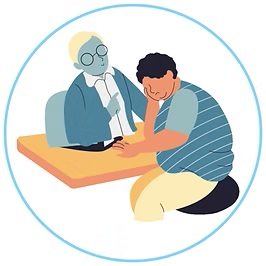
Adolescence can be especially challenging when managing ADHD symptoms. ADHD therapy for adolescents in New York provides a structured, supportive environment where teens can improve focus, regulate behavior, and develop skills that support academic performance, relationships, and daily functioning.



Your Teenager Deserves Support That Actually Works , Start Today
No parent wants to watch their teenager struggle through something that the right support could meaningfully change. And no teenager wants to keep falling short of what they know they are capable of. But finding that support, the right kind, from the right people, delivered in a way that a teenager will actually engage with is not always straightforward. We have built our adolescent ADHD practice around exactly that challenge.
Our therapists are not just clinically trained; they genuinely like working with teenagers. They know how to create a space where an adolescent with ADHD feels respected rather than managed, understood rather than diagnosed, and capable rather than broken. That relational quality is not a bonus feature. It is the foundation of why the work produces real and lasting results.
We serve families across New York, both in person and through our online therapy platform, which is particularly well-suited to adolescents with ADHD. Virtual sessions eliminate the transition demands that can derail an already dysregulated teenager’s afternoon, and many adolescents engage more openly from a familiar environment. For families unsure whether their teenager’s challenges are rooted in ADHD or something else entirely, our psychological assessment services can provide a thorough, clinically grounded evaluation, giving you a clear picture of what your teenager is dealing with and what kind of support will serve them best.
The earlier a teenager with ADHD gets targeted, thoughtful support, the more of their adolescence they get to experience with the tools they need already in place. Reaching out today is the most direct step toward making that happen. Contact Mindset Psychology to schedule an initial consultation, learn more about our adolescent ADHD services, or ask whatever questions are on your mind. Your teenager’s potential is not in question, and with the right support, they will start to see that too.
What Our Patients Say
About Our Practice
"Dr. Rabbani is a great therapist! Very attentive and gives practical advice to really help me focus on what's important."

A.A
"I honestly would not be where I am now without Dr. Krakauer! He is very caring and always available for his patients."
E.G
"Dr. Rabbani is extremely kind and professional I would recommend him to anybody seeking help."
E.T
Meet Our Team
Expert and Professional in Psychotherapy













Book An Appointment
Schedule your ADHD assessment at Mindset Psychology today and ask us about our free 15-minute consultation at (516) 208-2638
Schedule Your Free 15 Min
Virtual Consultation
We're here to help. Contact Mindset Psychology today to learn more about our mental health services or to schedule an appointment with one of our experienced therapists or psychologists. Take the first step towards better mental health and get in touch with us today.
Insurances
We accommodate a wide range of insurance providers. Should you have questions about your coverage, don't hesitate to reach out for further details.






Frequently Asked Questions
01How does therapy at Mindset Psychology specifically help teenagers with ADHD beyond what school support already provides?
School accommodations for ADHD, extended time on tests, preferential seating, and reduced distraction environments are valuable, but they modify the environment around a teenager without building skills within them. What therapy at a practice like Mindset Psychology offers is something fundamentally different: it works from the inside out. Therapists help adolescents understand their own ADHD profile, develop personalized executive functioning strategies, regulate emotions more effectively, and build the self-awareness that makes every other support more useful. Unlike school-based interventions that must serve many students simultaneously, therapy is entirely individualized, built around the specific ways ADHD shows up in that teenager's life, at school, at home, and socially. The two forms of support are not in competition; in fact, they work best together, with therapy deepening the effectiveness of school accommodations rather than replacing them.
02My teenager insists nothing is wrong and refuses to consider therapy. How should I approach this?
Resistance to therapy is one of the most common challenges parents of teenagers with ADHD face, and it is worth understanding where it comes from before deciding how to respond to it. Many teenagers resist therapy because they have already internalized the message that their struggles are a personal failure, and therapy feels like further confirmation of that. Others resist because they genuinely do not see what a therapist could offer them that they have not already tried. The most effective approach is usually to avoid framing therapy as something being done to them or as a consequence of their behavior. Instead, presenting it as a practical tool, like working with a coach who specializes in exactly the challenges they are dealing with, tends to land better. It also helps to let the teenager have some say in choosing their therapist, which gives them a sense of ownership over the process from the beginning.
03What is the difference between ADHD therapy for adolescents and ADHD therapy for younger children or adults?
ADHD therapy looks meaningfully different across age groups because the developmental context, the challenges, and the goals are all different. For younger children, therapy often involves more parental guidance and behavioral strategies that parents implement at home. For adults, the focus tends to be on career, relationships, and the self-management demands of a fully independent life. Adolescent ADHD therapy sits in a distinct middle ground; teenagers are old enough to engage in insight-based work and develop genuine self-awareness, but they are still in a critical developmental window where identity, self-esteem, and foundational habits are being formed. The work with adolescents is therefore both skill-building and identity-shaping, helping teenagers develop not just strategies for managing ADHD but a sense of themselves as capable, self-aware individuals who understand their own minds.
04How long does ADHD therapy for a teenager typically take before families start seeing results?
The timeline varies depending on the complexity of the teenager's ADHD profile, whether there are co-occurring challenges like anxiety or depression, and how consistently sessions are attended. Many families notice meaningful shifts within the first six to ten sessions, not necessarily dramatic changes, but a different quality of conversation at home, a teenager who seems slightly more self-aware, or a small but real improvement in a specific area like homework completion or emotional regulation. More substantial and lasting change typically develops over several months of consistent work. It is important to approach ADHD therapy with realistic expectations, not because the process is slow, but because the skills being built are complex ones that take time and practice to become genuinely integrated into a teenager's daily behavior rather than just intellectually understood.
05Should a teenager with ADHD be in therapy even if they are also taking medication for it?
Absolutely, and research consistently supports the combination of medication and therapy as more effective than either approach alone for adolescents with ADHD. Medication can help regulate attention and reduce impulsivity, but it does not teach a teenager how to organize their time, manage their emotions, build better study habits, or develop a healthier relationship with their own capabilities. Those are skills that therapy specifically builds. Medication creates a window of improved focus; therapy teaches a teenager what to do with that window. For families where medication is part of the management plan, therapy is not redundant. It is the component that makes the medication's benefits translate into real, functional change in the teenager's day-to-day life, at school, at home, and in their relationships with the people around them.
CONTACT US