

We are now offering telehealth appointments

Accepting patients in NY, TX, VA, DE, CO, WI & AZ

mindset logo
  • Our Team
    • Dr. Jonathan Rabbani, PsyD
    • Dr. Uri Krakauer, PsyD
    • Dr. Lindsay Werkheiser, PsyD
    • Dr. Erin Jerome, PsyD
    • Dr. Bianca Vélez, PsyD
    • Dr. Rodrigo Muñoz, PsyD
    • Dr. Ann Marie Nikola, PsyD
    • Kayla Pulizzi, LMSW
    • Nichole Mina, LCSW
    • Jake Dann-Soury, LCSW
    • Samantha Furst, LMSW, LCAT
    • David Jannain, PMHNP-BC
    • Limor Tabib, RDN
  • Services
    • Individual Therapy
    • Couples Therapy
    • Medication Management
    • Adolescent Therapy
    • Online Therapy
    • Psychiatric Medication
    • Psychological Assessment
    • Dietitian
  • Conditions
    • ADHD
    • Anxiety
    • Depression
    • Grief and Loss
    • LGBTQ Issues
    • Life Transitions
    • PTSD
    • Relationship Issues
    • Religion and Culture
    • Self-Esteem
    • Sexual Dysfunction
    • Sleep Disorders
    • Work-Life Balance
  • Types of Therapy
    • Acceptance and Commitment Therapy (ACT)
    • Cognitive Behavioral Therapy (CBT)
    • Dialectical Behavior Therapy (DBT)
    • EMDR Therapy
    • Exposure and Response Prevention (ERP)
    • Mindfulness-Based Therapy (MBT)
    • Psychodynamic Therapy
  • About Us
  • More
    • Podcast
    • FAQ’s
    • Blog
    • Contact Us
    • Careers
516-208-2638
BOOK NOW
mindset logo
516-208-2638
BOOK NOW
mindset logo
mindset logo
516-208-2638
BOOK NOW
516-208-2638
BOOK NOW
mindset logo
  • Our Team
    • Dr. Jonathan Rabbani, PsyD
    • Dr. Uri Krakauer, PsyD
    • Dr. Lindsay Werkheiser, PsyD
    • Dr. Erin Jerome, PsyD
    • Dr. Bianca Vélez, PsyD
    • Dr. Rodrigo Muñoz, PsyD
    • Dr. Ann Marie Nikola, PsyD
    • Kayla Pulizzi, LMSW
    • Nichole Mina, LCSW
    • Jake Dann-Soury, LCSW
    • Samantha Furst, LMSW, LCAT
    • David Jannain, PMHNP-BC
    • Limor Tabib, RDN
  • Services
    • Individual Therapy
    • Couples Therapy
    • Medication Management
    • Adolescent Therapy
    • Online Therapy
    • Psychiatric Medication
    • Psychological Assessment
    • Dietitian
  • Conditions
    • ADHD
    • Anxiety
    • Depression
    • Grief and Loss
    • LGBTQ Issues
    • Life Transitions
    • PTSD
    • Relationship Issues
    • Religion and Culture
    • Self-Esteem
    • Sexual Dysfunction
    • Sleep Disorders
    • Work-Life Balance
  • Types of Therapy
    • Acceptance and Commitment Therapy (ACT)
    • Cognitive Behavioral Therapy (CBT)
    • Dialectical Behavior Therapy (DBT)
    • EMDR Therapy
    • Exposure and Response Prevention (ERP)
    • Mindfulness-Based Therapy (MBT)
    • Psychodynamic Therapy
  • About Us
  • More
    • Podcast
    • FAQ’s
    • Blog
    • Contact Us
    • Careers
516-208-2638
BOOK NOW
Mindset Logo
516-208-2638
BOOK NOW
Mindset Logo
516-208-2638
BOOK NOW
  • Our Team
    • Dr. Jonathan Rabbani, PsyD
    • Dr. Uri Krakauer, PsyD
    • Dr. Lindsay Werkheiser, PsyD
    • Dr. Erin Jerome, PsyD
    • Dr. Bianca Vélez, PsyD
    • Dr. Rodrigo Muñoz, PsyD
    • Dr. Ann Marie Nikola, PsyD
    • Kayla Pulizzi, LMSW
    • Nichole Mina, LCSW
    • Jake Dann-Soury, LCSW
    • Samantha Furst, LMSW, LCAT
    • David Jannain, PMHNP-BC
    • Limor Tabib, RDN
  • Services
    • Individual Therapy
    • Couples Therapy
    • Medication Management
    • Adolescent Therapy
    • Online Therapy
    • Psychiatric Medication
    • Psychological Assessment
    • Dietitian
  • Conditions
    • ADHD
    • Anxiety
    • Depression
    • Grief and Loss
    • LGBTQ Issues
    • Life Transitions
    • PTSD
    • Relationship Issues
    • Religion and Culture
    • Self-Esteem
    • Sexual Dysfunction
    • Sleep Disorders
    • Work-Life Balance
  • Types of Therapy
    • Acceptance and Commitment Therapy (ACT)
    • Cognitive Behavioral Therapy (CBT)
    • Dialectical Behavior Therapy (DBT)
    • EMDR Therapy
    • Exposure and Response Prevention (ERP)
    • Mindfulness-Based Therapy (MBT)
    • Psychodynamic Therapy
  • About Us
  • More
    • Podcast
    • FAQ’s
    • Blog
    • Contact Us
    • Careers
Author: Dr. Jonathan Rabbani
HomeDr. Jonathan RabbaniPage 5
NY Therapy
Therapists In New York
April 30, 2025By Dr. Jonathan Rabbani

What Makes a Great NY Therapy Practice Stand Out?

The search for the right NY therapy practice can feel overwhelming. In a city and state as fast-paced, diverse, and emotionally demanding as New York, mental health care isn’t just a luxury—it’s a necessity. But here’s the truth: just because a practice offers therapy doesn’t mean it offers the kind of care that truly makes a difference. There’s a big gap between average and exceptional. The good news is, once you know what to look for, identifying a standout NY therapy practice becomes a lot clearer. Whether you’re starting therapy for the first time or looking to switch providers, understanding what sets great therapy practices apart is a powerful first step.


Core Qualities of a Great Therapy Practice

One of the most defining features of a high-quality therapy practice is its team of clinicians. A great practice is made up of licensed, experienced professionals—therapists who not only have the right degrees but who bring real-world insight to their sessions. In New York, this means working with LCSWs, LMHCs, psychologists (PhD or PsyD), or psychiatrists (MDs) who have completed rigorous training and maintain their licenses through ongoing education and supervision. More than just qualifications on paper, the best therapists also bring a human touch—empathy, warmth, and a deep understanding of the complexity of human emotion.

Another hallmark of an excellent practice is the range of specializations it offers. Mental health is not one-size-fits-all. Whether someone is dealing with anxiety, depression, trauma, relationship issues, identity exploration, OCD, or grief, the right support can look very different. Great therapy practices have clinicians with varied expertise so they can meet clients where they are, with knowledge that’s both broad and deep. This diversity ensures that clients don’t have to fit into a mold—there’s someone available who understands their specific challenges.

Equally important is the use of evidence-based approaches. Effective therapy goes beyond conversation. It’s rooted in proven, structured techniques that have been shown to work. Practices that utilize models like Cognitive Behavioral Therapy (CBT), Dialectical Behavior Therapy (DBT), Eye Movement Desensitization and Reprocessing (EMDR), or Acceptance and Commitment Therapy (ACT) are grounding their work in science. What’s even more powerful is when therapists integrate these techniques into personalized care. A great therapist doesn’t just follow a script—they adapt the approach to the unique needs of each client, because real healing is deeply personal.

Client-Centered Environment

Beyond credentials and methods, what really makes a therapy practice stand out is how it feels. The therapeutic relationship is built on trust, and that starts with a compassionate, non-judgmental environment. From the first phone call to the first session, a great practice will make you feel heard, respected, and welcome. This doesn’t just happen by accident—it’s intentional. These spaces prioritize safety, emotional and psychological comfort, and inclusivity. They understand how deeply personal and vulnerable the work can be, and they honor that by meeting clients with patience and care.

This client-centered focus also means building strong therapeutic alliances. Great therapists don’t just offer advice—they partner with clients to explore, grow, and heal together. They recognize the client as the expert on their own experience and work collaboratively to support lasting change. For many people, this connection becomes a safe foundation where transformation is possible.

Flexibility and Accessibility

Life in New York doesn’t always follow a 9-to-5 schedule, and great therapy practices understand that. Accessibility is a crucial factor when it comes to delivering consistent, effective care. That’s why flexible scheduling—offering evening or weekend appointments—has become more than just a convenience. It’s a necessity. Additionally, with the rise of teletherapy, practices that offer virtual sessions open up access for people who can’t always make it to the office due to work, family, or transportation issues.

But flexibility isn’t just about time—it’s also about communication and transparency. The best therapy practices respond promptly, make scheduling easy, and are upfront about costs and insurance. Navigating the world of mental health can already feel confusing; standout practices do everything they can to make the process smoother. They help you understand your options, whether you’re using insurance, paying out of pocket, or exploring sliding-scale fees. The goal is to make therapy something you can commit to, not something that adds more stress to your plate.

Holistic and Collaborative Care

True mental wellness isn’t just about addressing a single problem—it’s about supporting the whole person. That’s why top-tier therapy practices don’t work in isolation. They embrace a holistic approach, integrating therapy with psychiatry, wellness strategies, and collaboration with other healthcare providers when needed. For example, someone might be in therapy for anxiety but also benefit from nutritional support, mindfulness practices, or medication management. Great practices recognize these overlaps and build care plans that reflect the interconnectedness of mental, physical, and emotional health.

What also makes a practice stand out is its commitment to long-term growth, not just crisis management. While immediate relief is crucial, the goal is to empower clients with the tools, insight, and support to thrive well beyond the therapy room. It’s about helping people build stronger relationships, develop resilience, and move through life with more self-awareness and confidence.

Positive Reputation and Community Trust

In a state as large and diverse as New York, reputation carries weight. A standout practice earns trust over time through word-of-mouth referrals, glowing client testimonials, and the respect of other professionals. Whether you’re finding a practice through your doctor, a school counselor, a friend, or a Google search, positive reviews matter. They’re a reflection of the real experiences people have had—their growth, their healing, and the relationships they’ve built with their therapists.

The best therapy practices are often active in their communities, contributing to conversations about mental health, offering educational resources, and engaging in outreach. They don’t just serve their clients—they serve the broader community and advocate for mental wellness across the board.

Why Mindset Psychology Stands Out in NY?

We’ve taken all of these qualities to heart. We’ve built a Westchester-based therapy and psychiatry practice that’s grounded in science, fueled by compassion, and tailored to real life. Our team is made up of highly trained, licensed professionals who specialize in areas like CBT, trauma recovery, anxiety, depression, and relationship challenges. Each clinician brings both clinical skill and genuine warmth to every session.

We know there’s no such thing as a one-size-fits-all therapy plan. That’s why we create personalized treatment plans for every client—whether you’re looking for structured CBT work, support for trauma, or guidance through a life transition. We work with adults, teens, families, and couples, and we offer both in-person and virtual sessions to make therapy as accessible and flexible as possible.

What really sets us apart is the connection we build with our clients. Therapy isn’t just something we do—it’s something we deeply believe in. We’ve helped hundreds of New Yorkers find clarity, healing, and growth, and we’re proud to be a trusted name in mental health care across the state.

Conclusion

When you’re looking for therapy in New York, you deserve more than availability. You deserve a practice that takes your well-being seriously—one that’s equipped with the right experience, the right tools, and the right heart. The best NY therapy practices stand out because they combine clinical expertise with human connection. They make you feel safe, respected, and truly supported on your path to better mental health.

If that’s the kind of care you’re looking for, Mindset Psychology is here for you. We’re raising the standard for therapy in New York, and we’d be honored to support you in your journey. Reach out today—because the right help can change everything.

Dr. Jonathan Rabbani

Dr. Jonathan Rabbani, PsyD is a Licensed Clinical Psychologist and Founder of Mindset Psychology, specializing in anxiety, OCD, panic disorders, ADHD, depression, and self-esteem. He utilizes evidence-based approaches including Cognitive Behavioral Therapy (CBT), Acceptance and Commitment Therapy (ACT), and Mindfulness-based practices to help patients achieve meaningful, lasting change. Known for his warm, collaborative, and culturally sensitive style, Dr. Rabbani creates a safe, non-judgmental space where patients feel empowered to set goals and take control of their mental health journey. He holds a Doctor of Psychology (PsyD) from The Chicago School of Professional Psychology and a Bachelor of Arts in Psychology from CUNY Baruch College.
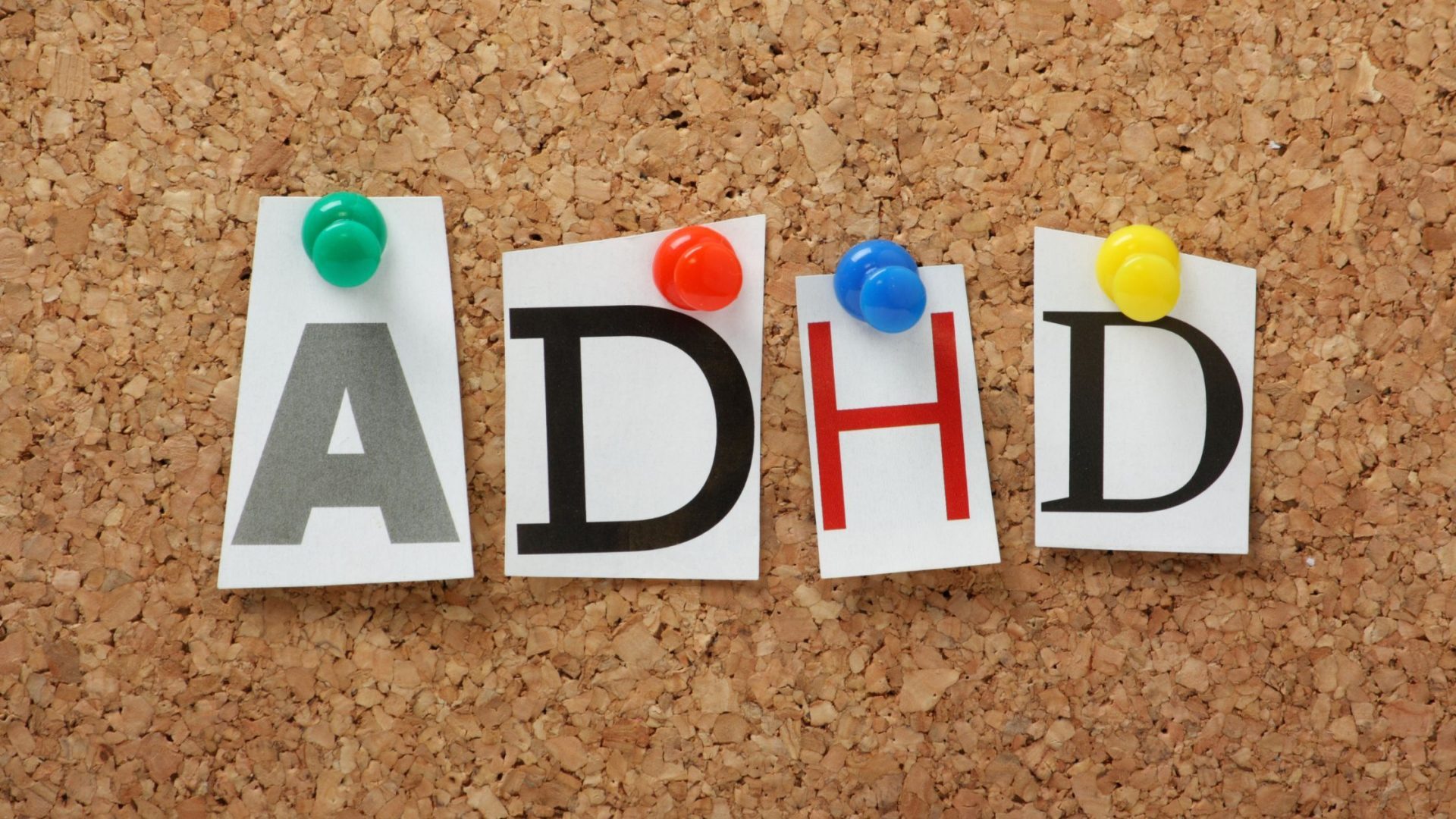
Read More
Therapist for ADHD
ADHD
April 30, 2025By Dr. Jonathan Rabbani

What Should I Expect from a Therapist for ADHD Near Me?

More people are talking about ADHD these days—and that’s a good thing. As awareness continues to grow, so does our understanding of how ADHD shows up not just in early years, but in teens and adults, too. Whether it’s the young student who can’t sit still in class, the teen who forgets every assignment, or the adult who’s constantly overwhelmed by daily tasks, ADHD can affect just about every part of life.

The good news? Therapy can make a real difference. While medication is often part of a comprehensive ADHD treatment plan, working with a therapist can help you develop the tools and self-awareness needed to manage symptoms and build confidence. If you’ve ever found yourself searching for a therapist for ADHD near me, wondering what to expect or how it might help, you’re not alone. Let’s break it down, step by step.

Understanding ADHD and Its Impact

ADHD—short for Attention-Deficit/Hyperactivity Disorder—is often misunderstood as simply a problem with focus or hyperactivity. But it’s much more nuanced than that. The core symptoms usually fall into three categories: inattention, hyperactivity, and impulsivity. That might look like difficulty sitting still, being easily distracted, struggling to follow instructions, or blurting out thoughts without thinking them through.

ADHD might appear as nonstop energy and trouble staying on task. In teens, it could show up as forgetfulness, emotional outbursts, or poor academic performance. And in adults, it often hides behind chronic procrastination, restlessness, time blindness, or difficulty managing relationships and responsibilities.

ADHD isn’t just about attention—it can take a serious emotional toll. Many people with ADHD feel frustrated, misunderstood, and even defeated, especially when they’ve spent years being labeled as lazy, scattered, or difficult. Left untreated, ADHD can chip away at self-esteem and contribute to anxiety, depression, and shame.

The Role of a Therapist in ADHD Treatment

A skilled ADHD therapist plays a key role in helping individuals navigate life with greater ease and confidence. Therapy isn’t about “fixing” someone with ADHD—it’s about understanding how the brain works and building strategies to support success in everyday life.

Therapists help clients develop emotional regulation, boost self-awareness, and identify specific behaviors that are getting in the way of goals. They teach practical skills—like managing time, organizing tasks, or creating structure—to make daily life more manageable.

Therapists also support clients with co-occurring issues, such as anxiety, depression, or learning differences. And in many cases, they collaborate with psychiatrists for medication management or with schools and educators to create academic support plans.

Whether you’re a parent seeking help, a teenager trying to find your footing, or an adult tired of feeling scattered and overwhelmed, a therapist can be your partner in making life with ADHD a lot more manageable—and a lot less stressful.

What to Expect in Your First Few Sessions?

Starting therapy can feel a bit intimidating, especially if you’re not sure what to expect. But the first few sessions are all about getting to know you, understanding your challenges, and setting a plan for moving forward.

Your first appointment will likely involve an intake session, where the therapist asks about your history, current struggles, family background, and how ADHD is showing up in your life. This might include discussions around school, work, relationships, sleep, routines, and emotional responses.

Next, you’ll work with your therapist to set goals. Maybe you want to manage impulsivity better, reduce forgetfulness, improve focus, or feel more in control of your emotions. These goals help shape a personalized treatment plan.

The therapist will also start building a relationship with you, because trust is key. A strong therapeutic alliance is what makes all the tools and techniques work. Finally, they’ll introduce the approach they use, whether that’s CBT (Cognitive Behavioral Therapy), behavioral therapy, mindfulness-based strategies, or something else.

Ongoing ADHD Therapy: Tools and Techniques You Might Learn

Once therapy is underway, sessions become more focused on skill-building and reflection. You’ll learn practical coping tools tailored to your needs. For example:

  • Time management techniques to help with lateness and procrastination

  • Task-breaking strategies for overwhelming assignments or projects

  • Mindfulness and grounding tools to improve emotional regulation

  • Visual supports and checklists to track daily responsibilities

  • Apps and reminders that keep you on schedule and focused

  • Cognitive restructuring, to challenge negative self-talk or shame

  • Parent or family coaching, when appropriate, to improve communication and structure at home.

Therapy also gives you space to explore the emotional impact of ADHD, not just the behaviors. It can help you process feelings of inadequacy or frustration and build confidence through small wins and new habits.

How to Choose the Right ADHD Therapist?

Finding the right ADHD therapist isn’t just about location—it’s about expertise and connection. You’ll want to look for a licensed clinician (LCSW, LMHC, PhD, PsyD, etc.) with experience specifically treating ADHD. Ask whether they work with your age group—whether it’s teens, or adults—and how they typically approach ADHD in therapy.

It’s also worth considering logistics: Do they offer teletherapy? Are they available during the times that work for you or your family? Do they accept your insurance or provide clear, upfront pricing?

Most importantly, you should feel comfortable with the therapist. A good match feels collaborative, supportive, and non-judgmental. You want someone who listens, gets it, and makes you feel capable—even on tough days.


Why Mindset Psychology Is a Top Choice for ADHD Therapy?

At Mindset Psychology, we’ve had the honor of helping teens, and adults manage ADHD with confidence and clarity. Our practice, based in Westchester, NY, offers therapy and psychiatry services that are grounded in research and delivered with compassion.

We have a team of experienced clinicians who specialize in ADHD across all age groups, and we understand how ADHD impacts every area of life—from academics and careers to family and self-esteem. Our therapists use evidence-based approaches, including CBT and behavioral strategies, and tailor every treatment plan to each client’s lifestyle and strengths.

We also offer collaborative care, which means you don’t have to juggle separate providers. If you need both therapy and psychiatry support, we can coordinate it under one roof. We work closely with parents, schools, and other healthcare professionals when needed, so you’re supported on all fronts.

Flexibility is important to us. That’s why we offer both in-person and telehealth sessions, making it easy to stay consistent with therapy even when life gets busy. Our clients often tell us they feel truly seen and understood here, which is the kind of feedback we’re proud to receive.

Whether you’re navigating ADHD as an adult or seeking support for your teen, Mindset Psychology is here to help you thrive, not just cope.

Final Thoughts

ADHD can make life feel messy, frustrating, and overwhelming—but it doesn’t have to be that way. With the right support, therapy can become a powerful tool for understanding your brain, building better habits, and feeling more in control.

You don’t have to manage ADHD on your own. Whether you’re searching for answers or ready to take the next step, the help you need is out there. And if you’re looking for a compassionate, experienced team that truly understands ADHD, Mindset Psychology is here to support you.

Reach out today to schedule a consultation —and start building a path forward that works for you.

Dr. Jonathan Rabbani

Dr. Jonathan Rabbani, PsyD is a Licensed Clinical Psychologist and Founder of Mindset Psychology, specializing in anxiety, OCD, panic disorders, ADHD, depression, and self-esteem. He utilizes evidence-based approaches including Cognitive Behavioral Therapy (CBT), Acceptance and Commitment Therapy (ACT), and Mindfulness-based practices to help patients achieve meaningful, lasting change. Known for his warm, collaborative, and culturally sensitive style, Dr. Rabbani creates a safe, non-judgmental space where patients feel empowered to set goals and take control of their mental health journey. He holds a Doctor of Psychology (PsyD) from The Chicago School of Professional Psychology and a Bachelor of Arts in Psychology from CUNY Baruch College.

Read More
Work with a skilled Adult ADHD Therapist in NY to improve focus, organization, and confidence through personalized, evidence-based support.
ADHD
April 30, 2025By Dr. Jonathan Rabbani

Could Seeing an Adult ADHD Therapist Near Me Finally Help Me Focus?

If you’re an adult constantly battling distractions, overwhelmed by to-do lists, or wondering why no amount of productivity hacks ever seems to stick—you’re not alone. Maybe you’ve been called “scatterbrained” or “unmotivated.” Maybe you’re juggling a career, relationships, and responsibilities, but it all feels like too much, too often. Sound familiar?

For many adults living with ADHD (Attention-Deficit/Hyperactivity Disorder), daily life can feel like a never-ending mental traffic jam. The challenge isn’t just focusing—it’s time management, staying organized, following through, and avoiding burnout. What’s even more frustrating is that a lot of adults don’t even realize they have ADHD until later in life. They just know something feels off. So, here’s the real question: Could working with an ADHD therapist near me—someone who truly understands how ADHD shows up in adulthood—actually help you stay focused, organized, and in control? The answer, for many, is a resounding yes.

Understanding ADHD in Adults

One of the biggest misconceptions about ADHD is that it’s a disorder that “grow out of.” In reality, ADHD often follows people into adulthood, even if the symptoms change shape over time. Hyperactivity may become restlessness. Forgetfulness might replace impulsivity. But the core challenges—like attention regulation and executive dysfunction—are still there.

Adult ADHD can look like chronic distraction, procrastination, impulsiveness, or struggling to complete even simple tasks. You may have trouble managing your time, staying organized, or maintaining routines. Relationships may suffer because of emotional reactivity or forgetfulness. And in the workplace, you might find yourself underperforming even when you’re capable and intelligent.

Emotionally, it’s draining. ADHD in adulthood can lead to anxiety, low self-esteem, and a persistent feeling that you’re never quite meeting your potential, —despite your best efforts. Many adults blame themselves, not realizing that their brain is wired differently and simply needs the right tools and support.


How an Adult ADHD Therapist Can Help?

That’s where a therapist who specializes in adult ADHD comes in. These professionals understand the unique ways ADHD shows up in adult life, and they know how to help you work with your brain, not against it.

An ADHD therapist provides structured support to help you better manage your executive functioning challenges—things like planning, prioritizing, starting and completing tasks, and keeping your life organized. They help you identify personal ADHD patterns and triggers that may be holding you back, from emotional overwhelm to disorganized thinking.

Therapy focuses on coping skills tailored to adult responsibilities—whether you’re balancing parenting and work, navigating relationships, or simply trying to keep your head above water. With the help of a therapist, you can build realistic routines, set achievable goals, and create systems of accountability that actually work for you.

What Therapy for Adult ADHD Looks Like?

Therapy for adult ADHD is not just about talking—it’s about practical problem-solving. Sessions are collaborative, meaning you and your therapist work together to explore your challenges and identify strategies that fit your lifestyle.

Therapists often use Cognitive Behavioral Therapy (CBT), which helps change unhelpful thought patterns that may contribute to procrastination or self-criticism. Others may integrate mindfulness-based practices, executive functioning coaching, or skills training that improves focus, organization, and emotional regulation.

You might work on setting up a better routine for mornings, breaking large tasks into smaller steps, managing impulsivity, or navigating difficult conversations at work. If emotional sensitivity or rejection is part of your ADHD experience (which it often is), your therapist will also help you develop tools to regulate emotions and build resilience.

And therapy doesn’t just stay in the therapy room. You’ll learn how to apply these tools in your real life—at your job, in your relationships, and during those frustrating day-to-day moments when your brain just won’t cooperate.

Signs You Might Benefit from Seeing a Therapist

Still wondering if therapy is right for you? Here are some signs that it might be time to seek professional support:

  • You constantly feel overwhelmed, disorganized, or scattered

  • You’ve tried every self-help method or productivity app, but nothing sticks.

  • You struggle with impulsivity, motivation, or follow-through.

  • You feel like you’re underachieving, even though you know you’re capable.

  • You crave structure, routine, and tools to stay focused and in control

If any of this sounds like you, it’s not about working harder—it’s about working smarter, with the right support.

What to Look for in an Adult ADHD Therapist Near You?

Choosing the right therapist can feel like a task in itself, but knowing what to look for makes it easier. Start by searching for someone who specializes in adult ADHD or has experience with executive functioning support. ADHD isn’t just about focus—it affects your whole life, and your therapist should understand that.

Ask potential therapists about their approach. Do they use evidence-based techniques like CBT? Do they offer practical tools for time management and organization? Are they comfortable addressing both the emotional and behavioral sides of ADHD?

You’ll also want to consider logistics. Is the therapist located nearby or do they offer teletherapy for more flexibility? Do they have evening appointments? Can they help you with co-occurring issues like anxiety or depression?

And most importantly, do you feel a connection? The best therapist for you is someone who “gets” you, who listens without judgment, and who’s willing to walk with you through the messiness of figuring things out.

Why Mindset Psychology Is a Go-To for Adult ADHD Therapy?

At Mindset Psychology, we work with adults across Westchester and surrounding areas who are ready to stop spinning their wheels and start moving forward with purpose. We’ve seen firsthand how life-changing it can be to finally understand your ADHD and learn how to work with it—not against it.

Our team of licensed, compassionate clinicians specializes in ADHD and executive functioning support for adults. We understand the real-world impact of ADHD on careers, relationships, and everyday , ife—and we tailor every session to meet your specific goals.

We use a combination of evidence-based approaches like CBT, mindfulness, and skills coaching to help you build focus, improve organization, and manage emotional ups and downs. Whether you’re dealing with procrastination, impulsivity, or the constant mental clutter, we’re here to help you cut through the noise and get clarity.

Need medication support too? No problem. We offer integrated care, meaning you can access both therapy and psychiatry under one roof. Plus, with both in-person sessions in Westchester and secure virtual therapy options, we make it easy to fit care into your life.

Most of all, we’re a team that truly cares. No judgment. Just understanding, support, and a shared belief that you can thrive with ADHD—you just need the right tools.


Final Thoughts

Adult ADHD can make life feel chaotic, unmanageable, and exhausting. But the right therapist can help you take control of your focus, your routines, and your confidence. Therapy isn’t about fixing you—it’s about giving you the structure, strategies, and support you’ve been missing.

You don’t have to keep struggling alone. Whether you’ve just been diagnosed or you’ve suspected it for years, therapy can offer a new path forward—one that’s focused, empowered, and actually doable.

At Mindset Psychology, we’re here to help you take that first step. Ready to find clarity, structure, and focus? Reach out today. We’re just around the corner—or just a click away.

Dr. Jonathan Rabbani

Dr. Jonathan Rabbani, PsyD is a Licensed Clinical Psychologist and Founder of Mindset Psychology, specializing in anxiety, OCD, panic disorders, ADHD, depression, and self-esteem. He utilizes evidence-based approaches including Cognitive Behavioral Therapy (CBT), Acceptance and Commitment Therapy (ACT), and Mindfulness-based practices to help patients achieve meaningful, lasting change. Known for his warm, collaborative, and culturally sensitive style, Dr. Rabbani creates a safe, non-judgmental space where patients feel empowered to set goals and take control of their mental health journey. He holds a Doctor of Psychology (PsyD) from The Chicago School of Professional Psychology and a Bachelor of Arts in Psychology from CUNY Baruch College.

Read More
Mental Health
Mental Health
April 29, 2025By Dr. Jonathan Rabbani

Struggling with Mental Health? Who Are the Psychiatrists Accepting New Patients?

Mental health challenges are becoming increasingly common, with more people than ever recognizing the need for professional support. Yet even as awareness grows, many individuals face a frustrating reality: finding a psychiatrist who is both qualified and currently accepting new patients is not always easy. Early intervention is crucial. The sooner someone seeks help, the better the chances of managing symptoms effectively and preventing more serious complications. Knowing when and where to start can make all the difference.

Signs It Might Be Time to See a Psychiatrist

While everyone experiences ups and downs, certain signs may indicate the need for psychiatric care. It’s important to acknowledge these signs to ensure that you are making proactive steps in finding relief. Such signs may include:

● Persistent feelings of sadness, anxiety, or mood instability

● Disrupted sleep, changes in appetite, or difficulty concentrating

● Intense or unmanageable responses to stress or trauma

● Limited improvement from therapy alone, especially when medication may help

● Concerns about a potential diagnosis or the need for a long-term mental health plan

Recognizing these symptoms early is key. If they begin interfering with daily life, it may be time to consult a psychiatrist.

Understanding the Role of a Psychiatrist

Psychiatrists are medical doctors who specialize in mental health. Unlike therapists or psychologists, they can prescribe medication and diagnose complex mental health conditions from a clinical standpoint. They often work in tandem with therapists to ensure patients receive well-rounded care—this collaborative model helps address both the emotional and biological components of mental illness.

Why Finding a Psychiatrist Can Be Difficult Right Now

The demand for psychiatric care is higher than ever, and unfortunately, there are not enough providers to meet the need. Nationwide psychiatrist shortages, long post-pandemic waitlists, and insurance hurdles have all made it harder to access timely help. Geography can also play a role. In some areas, there may be few or no local providers. Despite these challenges, persistence pays off. Knowing what to look for—and what to avoid—can help you find care faster.

Where to Begin Your Search

Here are a few reliable starting points:

● Local mental health clinics or group practices often house multiple providers in one place. ● Online directories like Psychology Today, Zocdoc, or your insurance company’s database. ● Referrals from a primary care doctor or therapist who may have trusted contacts

When reaching out, ask questions about availability, whether they accept your insurance, and whether their expertise aligns with your needs.

Telepsychiatry: Expanding Access to Mental Health Care

Telepsychiatry—psychiatric care delivered via video—has revolutionized access to treatment. It works much like a regular appointment, but takes place from the comfort of your home. Benefits include reduced wait times, access to a wider range of providers, and greater flexibility. Drawbacks can include technology issues or a preference for in-person connection. When done right, telepsychiatry is safe, confidential, and just as effective as in-person care for many conditions.

Mindset Psychology: A Trusted Resource for Psychiatry and Mental Wellness

Mindset Psychology is proud to serve Westchester and surrounding communities with comprehensive mental health care. Our experienced team offers:

● Psychiatric evaluations

● Medication management

● Individual therapy—all under one roof

We are currently accepting new patients and offer both in-person and telepsychiatry appointments. Our compassionate, client-centered approach ensures every patient is treated with respect and care tailored to their unique needs.

If you’re ready to explore your options, consider reaching out to a trusted resource like Mindset Psychology | Psychologist In New York NY. Help isn’t just possible—it’s closer than you think.

Dr. Jonathan Rabbani

Dr. Jonathan Rabbani, PsyD is a Licensed Clinical Psychologist and Founder of Mindset Psychology, specializing in anxiety, OCD, panic disorders, ADHD, depression, and self-esteem. He utilizes evidence-based approaches including Cognitive Behavioral Therapy (CBT), Acceptance and Commitment Therapy (ACT), and Mindfulness-based practices to help patients achieve meaningful, lasting change. Known for his warm, collaborative, and culturally sensitive style, Dr. Rabbani creates a safe, non-judgmental space where patients feel empowered to set goals and take control of their mental health journey. He holds a Doctor of Psychology (PsyD) from The Chicago School of Professional Psychology and a Bachelor of Arts in Psychology from CUNY Baruch College.

Read More
Life Transitions Therapist
March 28, 2025By Dr. Jonathan Rabbani

Life Transitions Therapist: How Professional Guidance Can Make Change Feel Less Overwhelming

Change is an inevitable part of life. Whether it’s starting a new job, moving to a different city, adjusting to parenthood, or navigating a relationship shift, life transitions can be both exciting and overwhelming. Even when we plan for change, it often brings uncertainty, stress, and emotional turbulence. While some transitions may feel positive, such as getting married or retiring, they still require significant adjustments that can leave us feeling unsure or even lost.

For many, change can trigger anxiety, self-doubt, or even grief over the loss of what once was. The fear of the unknown can make transitions feel paralyzing, and without the right support, it can be challenging to move forward with confidence. This is where therapy can make a significant difference. A life transitions therapist provides the emotional support, coping strategies, and tools needed to navigate change with resilience and clarity. Therapy helps individuals embrace new beginnings while managing the stress that often accompanies major life changes.

If you’re struggling with a life transition, you don’t have to go through it alone. With professional guidance, you can turn a period of uncertainty into an opportunity for growth and self-discovery.

Common Life Transitions That Can Be Challenging

Life is filled with transitions, some expected and others unexpected. While change is a natural part of life, it’s not always easy to manage on your own. Below are some of the most common life transitions that can cause stress and emotional challenges.

Career Changes

A career transition, whether it’s starting a new job, changing industries, or experiencing job loss, can bring mixed emotions. On one hand, new opportunities can be exciting, but on the other, they can also trigger fear and self-doubt. Imposter syndrome is common during career shifts, making individuals question their abilities and worth. Workplace stress, adapting to a new environment, or the uncertainty of job searching can take a toll on mental well-being.

Therapy can provide support by helping individuals process these emotions and build confidence. A therapist can also help set realistic career goals, improve stress management, and navigate workplace challenges to ensure a smoother transition into a new professional chapter.

Relationship Changes

Relationships play a significant role in our emotional well-being, and major changes in this area of life can be deeply impactful. Whether you’re getting married, going through a breakup, navigating a divorce, or adjusting to a single life, the emotional adjustments can feel overwhelming. Relationships shape our sense of identity and security, so when they shift, it can leave us feeling vulnerable, confused, or even lost.

Therapy can help individuals process the emotions that come with relationship transitions. Whether it’s learning how to heal from a breakup, developing better communication skills, or rebuilding self-confidence, professional support can make the transition feel more manageable.

Parenthood and Family Dynamics

Becoming a parent is one of the most significant life transitions a person can experience. While it is often a joyful milestone, it also comes with sleepless nights, shifting responsibilities, and overwhelming emotions. Many new parents struggle with balancing self-care while postpartum anxiety or depression can add to the challenge. The sudden shift in family dynamics can bring feelings of loneliness, loss of purpose, and identity struggles.

A therapist can help parents navigate these changes, manage stress, and find a balance between personal well-being and caregiving responsibilities.

Moving to a New City or Country

Relocating to a new place can be an exciting adventure, but it also comes with emotional challenges. Whether it’s moving for a job, education, or personal reasons, adjusting to a new environment can be daunting. Leaving behind familiar surroundings, social circles, and routines can trigger homesickness, loneliness, and even anxiety about fitting in.

Therapy can help individuals work through the emotional struggles of relocation, develop coping strategies for homesickness, and build confidence in adapting to new surroundings. Having a professional guide through this transition can ease feelings of isolation and help individuals establish a sense of stability.

Grief and Loss

Losing a loved one is one of the most difficult life transitions a person can go through. Grief is a complex emotion that affects people in different ways—some may experience sadness, while others may feel anger, guilt, or numbness. The grieving process doesn’t follow a linear path, and individuals often struggle to find ways to heal and move forward.

A therapist can provide a safe space to process grief, explore emotions, and develop coping mechanisms that help individuals find meaning and healing after loss. While grief never fully disappears, therapy can help individuals learn how to honor their loved one’s memory while continuing to live a fulfilling life.

Retirement and Aging

For many, retirement marks a long-awaited milestone, yet it can also bring unexpected challenges. Shifting from a structured work routine to a more open schedule can lead to boredom, a loss of purpose, or even feelings of isolation. Many retirees struggle with the question, “What now?” as they adjust to this new phase of life.

Aging itself comes with various transitions, from changes in health to shifts in relationships and social circles. Therapy can help individuals redefine their sense of purpose, develop new interests, and maintain mental and emotional well-being as they navigate the aging process.

How Therapy Can Help Navigate Life Transitions?

Therapy provides a structured and supportive space to help individuals manage change with confidence. A life transitions therapist helps clients develop coping strategies, regulate emotions, and gain clarity during uncertain times.

Providing Emotional Support and Coping Strategies

Change often triggers a mix of emotions—excitement, fear, grief, and uncertainty. A therapist helps validate these emotions while guiding individuals toward healthier coping mechanisms. Through therapy, individuals can gain a deeper understanding of their feelings and develop tools to manage stress.

Helping with Decision-Making and Clarity

Major life transitions often involve difficult decisions. Whether it’s deciding on a new career path, leaving a relationship, or moving to a new place, uncertainty can feel overwhelming. A therapist can help individuals weigh their options, explore their emotions, and build confidence in their decisions.

Managing Stress and Anxiety

Uncertainty can lead to stress, which can manifest in racing thoughts, sleep disturbances, and physical tension. Therapy provides practical stress-management techniques such as mindfulness, breathing exercises, and relaxation methods to help individuals stay grounded during transitions.

Strengthening Resilience and Adaptability

Change is unavoidable, but how we respond to it is within our control. Therapy helps individuals develop resilience, so they can face future transitions with a stronger mindset. By fostering adaptability, therapy enables individuals to embrace change as a stepping stone for growth rather than a source of fear.

Life Transitions Therapy at Mindset Psychology

We specialize in helping individuals navigate life’s transitions with clarity, confidence, and resilience. Our experienced therapists use evidence-based techniques such as Cognitive Behavioral Therapy (CBT), mindfulness, and stress-management strategies to help clients embrace change rather than fear it.

We offer personalized therapy plans that cater to each individual’s unique experiences, ensuring that clients receive the support they need to move through transitions with ease. Whether you’re facing a career shift, relationship change, or personal transformation, we’re here to help.

Ready to take the first step? Contact us today to schedule a consultation and start your journey toward a smoother, more empowered transition.

Conclusion

Life transitions can be difficult, but you don’t have to navigate them alone. Therapy provides the guidance, support, and tools needed to turn change into an opportunity for growth. Instead of feeling stuck in uncertainty, you can take control of your transition and step into the next phase of your life with confidence.

If you’re struggling with a life transition, don’t wait—visit Mindset Psychology today to connect with a life transition therapist and start building a brighter future.

Dr. Jonathan Rabbani

Dr. Jonathan Rabbani, PsyD is a Licensed Clinical Psychologist and Founder of Mindset Psychology, specializing in anxiety, OCD, panic disorders, ADHD, depression, and self-esteem. He utilizes evidence-based approaches including Cognitive Behavioral Therapy (CBT), Acceptance and Commitment Therapy (ACT), and Mindfulness-based practices to help patients achieve meaningful, lasting change. Known for his warm, collaborative, and culturally sensitive style, Dr. Rabbani creates a safe, non-judgmental space where patients feel empowered to set goals and take control of their mental health journey. He holds a Doctor of Psychology (PsyD) from The Chicago School of Professional Psychology and a Bachelor of Arts in Psychology from CUNY Baruch College.

Read More
CBT Therapy for ADHD Adults
CBT Therapists In NYC
March 26, 2025By Dr. Jonathan Rabbani

CBT Therapy for ADHD Adults: Can It Help You Overcome Distraction and Thrive?

Do you ever feel like no matter how hard you try, you just can’t keep up with everything? You sit down to start a task, and before you know it, you’re scrolling on your phone, lost in thought, or moving on to something completely unrelated. Deadlines slip through the cracks, your to-do list keeps growing, and you feel like you’re constantly playing catch-up. If this sounds familiar, you’re not alone. Many adults with ADHD face these struggles every day. We understand how overwhelming it can be to manage ADHD as an adult. It’s not just about being easily distracted—it affects every aspect of your life, from work to relationships to self-confidence. While medication can help, it’s not the only solution. Managing ADHD requires practical strategies, and that’s where Cognitive Behavioral Therapy (CBT) comes in. CBT Therapy for ADHD Adults is a structured, goal-oriented approach that helps individuals develop practical skills to improve focus, organization, and emotional regulation. Unlike traditional talk therapy, CBT focuses on identifying negative thought patterns and replacing them with constructive behaviors. For adults with ADHD, this can mean learning how to prioritize tasks, reduce distractions, and build routines that foster productivity. 

CBT is not just about managing symptoms—it’s about creating real, lasting change. By addressing the core challenges of ADHD, such as procrastination, impulsivity, and time management issues, CBT Therapy for ADHD Adults empowers individuals to take control of their daily lives. Whether you struggle with meeting deadlines, maintaining relationships, or staying focused, CBT provides actionable tools that can make a difference. Our experienced therapists specialize in CBT Therapy for ADHD Adults, offering tailored strategies to help you regain control and confidence. In this blog, we’ll dive deep into how CBT works, why it’s effective, and how it can be the game-changer you’ve been looking for.

Understanding ADHD in Adults

Many of us grow up struggling with focus, impulsivity, and time management, only to realize later in life that ADHD has been the missing piece of the puzzle all along. Unlike the stereotype of hyperactive kids who can’t sit still, adult ADHD often looks different. It manifests in ways that can deeply impact our daily lives:

  • Difficulty staying focused – Whether it’s in meetings, conversations, or even reading a book, our minds tend to wander, making it hard to complete tasks.

  • Time blindness – We constantly underestimate how long things will take, leading to missed deadlines, last-minute rushes, and chronic lateness.

  • Emotional ups and downs – Small frustrations can feel like huge obstacles and sudden mood swings can make it difficult to regulate emotions.

  • Chronic procrastination – Even when we want to get things done, we put them off, waiting for the pressure of a deadline to kick us into gear.

  • Difficulty with organization – Our homes, desks, and inboxes can quickly turn into cluttered messes, making it hard to find what we need when we need it.

Over time, these struggles can lead to frustration, low self-esteem, and even anxiety or depression. But ADHD isn’t a personal failure—it’s a neurodevelopmental condition that requires the right tools and strategies to manage effectively. That’s exactly where Cognitive Behavioral Therapy (CBT) comes in.

What Is Cognitive Behavioral Therapy (CBT)?

CBT is not your typical talk therapy. It’s not about dwelling on the past or simply venting your frustrations. Instead, it’s a practical, action-oriented approach that helps us change unhelpful thought patterns and behaviors.

The foundation of CBT is simple: The way we think affects the way we feel and behave. Many of us with ADHD struggle with negative self-talk—“I’m lazy,” “I’ll never be organized,” “I just can’t focus.” These thoughts reinforce our struggles, making it even harder to break out of bad habits.

With CBT, we identify these negative thought patterns and replace them with realistic, helpful ones. Instead of saying, “I’ll never finish anything on time,” we learn to say, “I can break this task down into small steps and tackle it one at a time.” By shifting our mindset, we make it easier to take meaningful action.

Beyond thoughts, CBT also focuses on practical strategies for improving focus, organization, and emotional regulation. It’s all about giving us the tools we need to stop feeling stuck and start taking control of our ADHD.

How CBT Helps Adults with ADHD

1. Managing Distraction and Improving Focus

One of the biggest challenges with ADHD is staying focused. Our brains constantly jump from one thought to another, making it hard to complete even simple tasks. In CBT, we work on techniques to improve attention, such as:

  • Breaking tasks into smaller steps – Instead of trying to tackle an entire project at once, we learn to divide it into manageable chunks. This reduces overwhelm and makes it easier to get started.

  • Reducing distractions – We create strategies to minimize both external (noise, phone notifications) and internal (wandering thoughts, overthinking) distractions.

  • Practicing mindfulness – We train our brains to bring attention back to the present moment, making it easier to stay engaged in what we’re doing.

2. Enhancing Time Management and Organization Skills

Time management can feel like an impossible task when you have ADHD. With CBT, we build routines and develop systems that help us stay on top of responsibilities:

  • Creating structured daily routines – Establishing morning and evening habits that set us up for success.

  • Using planners and reminders – Finding the right tools (whether digital or paper) to keep track of tasks, appointments, and deadlines.

  • Prioritization strategies – Learning how to distinguish between urgent and important tasks so we stop procrastinating on what really matters.

3. Reducing Impulsivity and Emotional Dysregulation

ADHD often comes with emotional highs and lows. Small frustrations can feel overwhelming, and impulsivity can lead to regrettable decisions. CBT helps by:

  • Identifying emotional triggers – Understanding what situations cause strong reactions so we can prepare for them.

  • Practicing mindfulness and breathing techniques – Learning to pause and regulate emotions before reacting impulsively.

  • Developing coping strategies – Creating a personalized toolkit for managing stress, frustration, and anxiety.

4. Building Self-Confidence and Motivation

Many of us with ADHD have spent years feeling like we’re “not good enough” because of our struggles. CBT helps us rebuild self-confidence by:

  • Challenging negative self-talk – Recognizing when we’re being too hard on ourselves and replacing those thoughts with more constructive ones.

  • Setting realistic goals – Celebrating small wins along the way to boost motivation.

  • Reframing past failures – Viewing mistakes as learning opportunities instead of proof of inadequacy.

Is CBT Right for You?

If you struggle with focus, time management, impulsivity, or emotional ups and downs, CBT could be a powerful tool for you. It’s especially beneficial if you:

✔️ Want strategies beyond medication to manage your ADHD? 

✔️ Are ready to take an active role in improving your daily habits. 

✔️ Feel stuck in cycles of procrastination, distraction, or self-doubt.

CBT works best when combined with other ADHD treatments, such as coaching, mindfulness, and medication. We tailor our approach to meet your unique needs, helping you find the right balance for long-term success.

Get Professional Support at Mindset Psychology

We specialize in helping adults with ADHD take back control of their lives. Our expert therapists use CBT to provide practical, evidence-based strategies that help you focus better, stay organized, and feel more in control.

We know ADHD can be frustrating, but it doesn’t have to define you. With the right support and strategies, you can thrive—at work, at home, and in your personal growth.

Ready to take the first step? Contact us today to schedule a consultation and start building the skills you need to succeed.

Conclusion

ADHD may present challenges, but with the right tools, it doesn’t have to hold you back. Cognitive Behavioral Therapy (CBT) provides practical, science-backed techniques to help you focus, stay organized, and manage your emotions effectively.

You don’t have to navigate this journey alone. Reach out to Mindset Psychology today and let’s work together to create a life where you don’t just manage ADHD—you thrive with it.

Dr. Jonathan Rabbani

Dr. Jonathan Rabbani, PsyD is a Licensed Clinical Psychologist and Founder of Mindset Psychology, specializing in anxiety, OCD, panic disorders, ADHD, depression, and self-esteem. He utilizes evidence-based approaches including Cognitive Behavioral Therapy (CBT), Acceptance and Commitment Therapy (ACT), and Mindfulness-based practices to help patients achieve meaningful, lasting change. Known for his warm, collaborative, and culturally sensitive style, Dr. Rabbani creates a safe, non-judgmental space where patients feel empowered to set goals and take control of their mental health journey. He holds a Doctor of Psychology (PsyD) from The Chicago School of Professional Psychology and a Bachelor of Arts in Psychology from CUNY Baruch College.

Read More
PTSD Therapist NYC
PTSD Therapist
March 24, 2025By Dr. Jonathan Rabbani

PTSD Therapist NYC: Where to Find Trauma-Informed Care That Truly Helps

Post-Traumatic Stress Disorder (PTSD) is more than just painful memories—it’s an ongoing battle that can affect every aspect of daily life. People who experience trauma often find themselves reliving distressing events, struggling with anxiety, or feeling emotionally disconnected from the world around them. Unlike a simple bad memory that fades over time, PTSD keeps trauma alive, making it difficult to feel safe or at peace. If you’re searching for support, working with a PTSD Therapist in NYC can provide the professional guidance and trauma-informed care needed to regain control over your life and emotional well-being.

Trauma can stem from various life-altering events such as accidents, abuse, combat, natural disasters, or the sudden loss of a loved one. Regardless of the cause, the emotional and physical toll of PTSD can be overwhelming. It can impact work, relationships, and overall well-being, leading to feelings of hopelessness and isolation.

However, healing is possible, and finding the right support is key. Trauma-informed therapy offers a structured and compassionate approach to help individuals work through their experiences safely and effectively. We specialize in PTSD treatment, providing personalized care that helps individuals reclaim their lives. If you’re looking for a PTSD therapist in NYC, this guide will help you understand PTSD, recognize its symptoms, and learn about the different types of therapy that can lead to lasting recovery.

Recognizing PTSD Symptoms

PTSD affects individuals differently, and its symptoms can be both emotional and physical. Many people with PTSD experience a range of challenges that interfere with their ability to function normally. Understanding these symptoms is the first step toward seeking help and beginning the healing process.

Emotionally, PTSD can create an ongoing sense of fear, anxiety, and distress. Flashbacks and intrusive thoughts are common, where a person suddenly feels like they are reliving the traumatic event. Nightmares may become frequent, disturbing sleep patterns and increasing exhaustion. Many individuals struggle with heightened anxiety, constantly feeling on edge or waiting for something bad to happen. Over time, this can lead to emotional numbness, where they feel detached from loved ones or unable to experience happiness. Depression often accompanies PTSD, creating a sense of hopelessness and making it difficult to find joy in life.

Behavioral changes are also prevalent in those suffering from PTSD. Many people begin avoiding anything that reminds them of their trauma, which can interfere with daily life. For example, someone who experienced a car accident may avoid driving altogether. Others develop hypervigilance, always scanning their surroundings for potential threats, making it hard to relax. PTSD also affects relationships, making it difficult to trust others or maintain emotional connections. In some cases, individuals turn to self-destructive behaviors such as substance abuse, reckless decisions, or social withdrawal as a way to cope with their pain.

PTSD also takes a toll on the body. Sleep disturbances, including insomnia and night sweats, are common. Chronic fatigue often sets in, making even simple tasks feel exhausting. Many individuals report frequent headaches, muscle tension, or digestive issues, as trauma impacts the body just as much as the mind. Over time, chronic stress weakens the immune system, leading to frequent illnesses and prolonged recovery times.

Recognizing these symptoms is essential because PTSD is treatable, and trauma-informed therapy provides effective solutions to help individuals regain control of their lives.

What Is Trauma-Informed Care?

Trauma-informed care is a therapeutic approach that recognizes the deep and lasting effects of trauma. Rather than focusing solely on symptoms, it addresses the root causes of PTSD and helps individuals process their experiences in a safe and supportive environment. Traditional therapy may not always be effective for trauma survivors, as reliving traumatic events without the right tools can feel overwhelming and even retraumatizing.

At Mindset Psychology, we use a trauma-informed approach that prioritizes safety, trust, and empowerment. We understand that healing cannot happen in an environment where individuals feel judged or forced to relive painful memories. Instead, our therapists create a space where clients can explore their emotions at their own pace. The goal is to help individuals regain a sense of control over their lives while developing healthy coping mechanisms.

Key elements of trauma-informed therapy include creating a safe environment, empowering clients in their healing journey, and using evidence-based treatments tailored to each individual’s needs. Through this approach, individuals can gradually rebuild their sense of safety, stability, and self-worth, allowing them to move forward without being controlled by past trauma.

Types of PTSD Therapy That Work

There is no one-size-fits-all solution for PTSD, but several evidence-based therapies have been proven to help individuals process trauma and regain emotional stability. The most effective approaches focus on rewiring thought patterns, reducing anxiety, and addressing both the psychological and physiological effects of trauma.

One of the most common forms of PTSD therapy is Cognitive Behavioral Therapy (CBT). This approach helps individuals identify and reframe negative thought patterns associated with their trauma. Often, trauma survivors develop self-blame or a distorted view of their experiences, believing they could have done something differently. CBT challenges these beliefs and helps individuals develop healthier perspectives. It also provides coping strategies to manage triggers, reduce anxiety, and regain confidence in their ability to handle stressful situations.

Another highly effective therapy for PTSD is Eye Movement Desensitization and Reprocessing (EMDR). Unlike traditional talk therapy, EMDR helps individuals process traumatic memories without being overwhelmed by them. This approach uses guided eye movements to reprocess distressing experiences, allowing the brain to store them in a less intense, more manageable way. Many individuals find EMDR particularly helpful in reducing flashbacks, intrusive thoughts, and emotional distress associated with their trauma.

For those struggling with avoidance and fear responses, Exposure Therapy can be beneficial. This therapy gradually exposes individuals to trauma-related memories, places, or situations in a safe and controlled manner. The goal is to reduce fear and avoidance behaviors, allowing individuals to confront their trauma without feeling paralyzed by it.

Additionally, Somatic Therapy and Mindfulness Practices help individuals address trauma stored in the body. Trauma isn’t just emotional—it has physical effects that can lead to chronic pain, tension, and stress-related illnesses. Somatic therapy focuses on body awareness, movement, and breathing techniques to release stored trauma. Mindfulness practices, such as meditation and guided relaxation, help individuals stay present, reducing anxiety and emotional reactivity.

Finding the Right PTSD Therapist in NYC

When looking for a PTSD therapist in NYC, it’s important to find someone who specializes in trauma-informed care. Not all therapists are trained to handle PTSD effectively, so asking about their experience, therapeutic approach, and treatment methods is essential. A good therapist will take the time to create a personalized treatment plan that aligns with your unique needs.

It’s also important to find a therapist with whom you feel comfortable. Healing from trauma requires trust, and therapy should feel like a safe space where you can express yourself freely. When searching for a therapist, ask about their experience with PTSD, their approach to therapy, and whether they offer a combination of techniques like CBT, EMDR, and mindfulness practices.

Trauma-Informed Therapy at Mindset Psychology

We specialize in helping individuals recover from PTSD using compassionate and evidence-based treatments. Our team of experienced therapists understands the complexities of trauma and works closely with each client to create a safe and supportive healing environment. We offer personalized PTSD therapy in NYC, using approaches like CBT, EMDR, exposure therapy, and mindfulness techniques to help individuals regain control over their lives.

Healing from PTSD takes time, but you don’t have to do it alone. Our trauma-informed care ensures that you feel empowered throughout the process, giving you the tools to rebuild confidence, manage triggers, and move forward with resilience.

If you’re ready to take the first step toward recovery, contact Mindset Psychology today to schedule a consultation. You deserve support, and we’re here to help you heal.

Conclusion

PTSD can make everyday life feel overwhelming, but effective treatment is available. Trauma-informed therapy provides the tools and support necessary to heal from past experiences and regain control over your future. If you’re looking for a compassionate and experienced PTSD therapist in NYC, Mindset Psychology is here to help. Take the first step today—schedule a consultation and start your journey to healing.

Dr. Jonathan Rabbani

Dr. Jonathan Rabbani, PsyD is a Licensed Clinical Psychologist and Founder of Mindset Psychology, specializing in anxiety, OCD, panic disorders, ADHD, depression, and self-esteem. He utilizes evidence-based approaches including Cognitive Behavioral Therapy (CBT), Acceptance and Commitment Therapy (ACT), and Mindfulness-based practices to help patients achieve meaningful, lasting change. Known for his warm, collaborative, and culturally sensitive style, Dr. Rabbani creates a safe, non-judgmental space where patients feel empowered to set goals and take control of their mental health journey. He holds a Doctor of Psychology (PsyD) from The Chicago School of Professional Psychology and a Bachelor of Arts in Psychology from CUNY Baruch College.

Read More
Therapy for Life Transitions
Life Transitions Therapist
February 23, 2025By Dr. Jonathan Rabbani

Navigating Life Changes: Therapy for Life Transitions to Support Your Journey

Life is full of changes, some exciting and full of promise, others unexpected and difficult. Whether we are stepping into a new chapter willingly or facing a transition we never anticipated, the shift can bring uncertainty, stress, and emotional challenges. At Mindset Psychology, we understand that navigating these transitions alone can feel overwhelming. That’s why therapy is such a valuable tool—it provides guidance, emotional support, and strategies to help you adapt, grow, and ultimately thrive through life’s changes.

It’s natural to feel uneasy about transitions. They often challenge our sense of stability and familiarity, making us question our identity, purpose, and future. But with the right support system, navigating these changes becomes more manageable. Therapy for life transition allows us to process emotions, make informed decisions, and reframe challenges as opportunities for growth. By working with an experienced therapist, you can learn to approach change with confidence rather than fear.

Common Life Transitions That May Require Support

Throughout life, we encounter various transitions that significantly impact our emotional and mental well-being. Some of these changes bring joy, while others introduce stress and uncertainty. Regardless of the nature of the transition, therapy can provide the necessary tools to help us move through them with resilience.

A career shift, whether starting a new job, transitioning to a different industry, or dealing with job loss, can be a time of both excitement and anxiety. Adjusting to new responsibilities or coping with the uncertainty of unemployment requires a strong mindset, which therapy can help develop.

Relationships also play a crucial role in our emotional health. Marriage, divorce, breakups, or the transition into parenthood are profound life changes that impact our sense of identity, responsibilities, and daily interactions. Therapy helps us navigate these shifts by offering emotional support, communication strategies, and guidance on how to maintain a healthy sense of self.

Relocating to a new city or country brings a mix of anticipation and stress. Adjusting to a different environment, building new social connections, and finding a sense of belonging can feel overwhelming. Therapy can provide coping techniques to ease this transition and ensure that we settle into our new surroundings with confidence.

Loss and grief are among the most challenging transitions we face. Losing a loved one, a pet, or even experiencing a major life shift like the end of a long-term friendship can be deeply painful. Grief therapy offers a compassionate space to process these emotions, find ways to honor the loss, and gradually move forward while holding onto cherished memories.

Health challenges can also prompt major life adjustments. Whether managing a chronic illness, adapting to a new diagnosis, or supporting a loved one through health struggles, therapy offers emotional support and practical coping mechanisms to navigate these changes without feeling overwhelmed.

Parents often experience a significant transition when their children leave home. This phase, known as empty nest syndrome, can leave individuals feeling a loss of purpose or identity. Therapy helps us redefine our roles, rediscover personal passions, and embrace this new chapter with a positive outlook.

Retirement is another significant life transition that can bring mixed emotions. While it may be a time for relaxation and new experiences, it can also create a sense of loss—loss of routine, professional identity, or social connections. Therapy helps us adjust by exploring new passions, setting personal goals, and embracing this stage of life with enthusiasm.

How Therapy Helps You Navigate Life Transitions

Life transitions, even those we plan for, often come with a range of emotions. We may feel excitement, anxiety, sadness, frustration, or even fear. Therapy provides a safe space to process these emotions, helping us understand our responses and develop effective coping strategies. At Mindset Psychology, we work with individuals to provide the emotional support needed to navigate these moments with confidence and clarity.

Building resilience is a key aspect of handling change effectively. Therapy helps strengthen our ability to adapt by teaching us coping mechanisms that encourage flexibility and emotional regulation. By learning to embrace change rather than resist it, we open ourselves up to growth and new opportunities.

Transitions can also bring significant stress and anxiety. Whether we are dealing with uncertainty, making big decisions, or facing external pressures, therapy equips us with stress management techniques. Mindfulness, breathing exercises, and cognitive-behavioral strategies help keep us grounded, ensuring that we don’t get lost in overwhelming emotions.

Decision-making during life transitions can feel daunting. Therapy provides clarity by helping us explore our values, priorities, and long-term goals. With a structured approach, we can make informed choices that align with our personal and professional aspirations.

Often, we get stuck viewing change as a setback or loss. Therapy encourages us to reframe our perspectives, shifting our mindset from fear to opportunity. By exploring the positive aspects of transition and identifying areas for growth, we can transform challenges into stepping stones for personal development.

What to Expect in Therapy for Life Transitions

Therapy is a deeply personal experience, and at Mindset Psychology, we tailor our approach to fit your unique situation and needs. Our sessions are designed to provide a supportive environment where you can openly discuss your emotions, concerns, and goals.

One of the first steps in therapy is identifying emotional responses to change.

Understanding what triggers stress, anxiety, or resistance allows us to address these emotions effectively. By recognizing our patterns, we can work toward healthier responses that promote well-being and confidence.

Developing coping strategies is a vital part of therapy for life transitions. Whether it’s mindfulness techniques, cognitive-behavioral exercises, or self-care routines, we equip you with practical tools to manage stress, regulate emotions, and maintain mental clarity.

Setting goals and creating an action plan can provide a sense of direction during uncertain times. Therapy helps us define our objectives and establish small, manageable steps toward achieving them. This structured approach makes transitions feel less overwhelming and more empowering.

Ongoing support is key to ensuring a smooth adjustment. Life transitions are rarely a one-time event—they are a process. Continued therapy sessions provide the space to assess progress, adjust strategies, and receive the encouragement needed to stay on track.

Finding the Right Therapist for Life Transitions

Choosing the right therapist is essential to receiving effective support. At Mindset Psychology, our team specializes in helping individuals navigate change with confidence and resilience. We provide a compassionate, judgment-free space where you can openly discuss your concerns and find guidance tailored to your specific needs.

It’s important to find a therapist who has experience in life transitions, as they will have the insight and tools necessary to help you through various challenges. Whether you prefer in-person sessions or virtual therapy, we offer flexible options to accommodate your lifestyle. Reading client testimonials and learning about our approach can also help ensure that you feel comfortable and supported throughout your therapy journey.

Navigate Life’s Changes with Mindset Psychology

We understand that life transitions can be overwhelming, but you don’t have to navigate them alone. Our experienced therapists specialize in individual therapy, couples therapy, and online therapy, providing the support, guidance, and tools you need to embrace change with confidence. Whether you’re facing career shifts, relationship changes, relocation, loss, or any other transition, we are committed to helping you adapt, heal, and grow.

Our convenient location and flexible appointment options, including online therapy sessions, make it easy to access the support you need. Whether you’re seeking individual therapy for personal growth or couples therapy to strengthen your relationship, we are here to help. Don’t let uncertainty hold you back—take the first step toward a brighter future by scheduling a session with Mindset Psychology today. Change may be inevitable, but with the right mindset and support, it can also be an opportunity for incredible growth.

Dr. Jonathan Rabbani

Dr. Jonathan Rabbani, PsyD is a Licensed Clinical Psychologist and Founder of Mindset Psychology, specializing in anxiety, OCD, panic disorders, ADHD, depression, and self-esteem. He utilizes evidence-based approaches including Cognitive Behavioral Therapy (CBT), Acceptance and Commitment Therapy (ACT), and Mindfulness-based practices to help patients achieve meaningful, lasting change. Known for his warm, collaborative, and culturally sensitive style, Dr. Rabbani creates a safe, non-judgmental space where patients feel empowered to set goals and take control of their mental health journey. He holds a Doctor of Psychology (PsyD) from The Chicago School of Professional Psychology and a Bachelor of Arts in Psychology from CUNY Baruch College.

Read More
Couples Therapy Near Long Island
Couples Therapists
February 22, 2025By Dr. Jonathan Rabbani

Effective Couples Therapy Near Long Island: Heal and Grow Together

Relationships are one of the most fulfilling yet complex aspects of life. In the beginning, everything feels effortless—the chemistry, the connection, the understanding. But as time goes on, life’s realities begin to set in, and challenges arise. It’s normal for couples to face disagreements, emotional distance, or moments of frustration. However, when these issues persist and go unresolved, they can create lasting tension and gradually weaken the bond between partners.

For those facing these difficulties, couples therapy near Long Island can provide the support needed to navigate relationship challenges effectively. Many couples find themselves trapped in cycles of miscommunication, feeling unheard, or struggling with trust issues. In some cases, external pressures like work stress, financial struggles, or family conflicts can contribute to emotional disconnection. These challenges don’t necessarily mean that a relationship is failing, but they do indicate that both partners may need a new approach to understanding and supporting each other. Through professional therapy, couples can rebuild their connection, improve communication, and develop healthier ways to handle conflicts, ultimately strengthening their relationship for the long term.

Couples therapy provides a structured and supportive environment to help partners identify challenges, express their emotions effectively, and work toward practical solutions. Whether it’s addressing recurring conflicts, healing from betrayal, or simply finding ways to reconnect emotionally and physically, therapy can be a powerful tool for strengthening a relationship. If you’re searching for effective couples therapy near Long Island, taking this step can help you and your partner rebuild trust, deepen your connection, and create a healthier, more fulfilling relationship.

Signs Your Relationship May Benefit from Therapy

Every relationship has its share of struggles, but how do we know when it’s time to seek professional help? Often, couples believe that therapy is only necessary when a relationship is on the verge of breaking down. However, the reality is that therapy can be just as beneficial for couples who want to prevent future conflicts as it is for those dealing with current issues.

One of the most common signs that therapy may be helpful is frequent misunderstandings and unresolved conflicts. When the same arguments happen repeatedly without resolution, it can indicate deeper underlying issues that need to be addressed. These unresolved tensions often lead to emotional and sometimes even physical distance, leaving one or both partners feeling disconnected or unfulfilled.

Another indicator is difficulty communicating needs and expectations. In a healthy relationship, both partners should feel comfortable expressing their thoughts and emotions. However, when conversations turn into blame, defensiveness, or avoidance, it can create a barrier to genuine connection. Over time, this can lead to frustration, resentment, and a lack of intimacy.

Trust issues, whether due to past betrayals, infidelity, or insecurity, can also significantly impact a relationship. Rebuilding trust takes time, effort, and structured guidance, which therapy can provide. If both partners are willing to work through their trust issues, a skilled therapist can help create a clear path toward healing.

Other challenges such as differences in parenting styles, financial disagreements, or mismatched future goals can also cause friction. Couples therapy allows partners to navigate these complex topics in a productive and respectful way, ensuring that both individuals feel heard and valued.

Even couples preparing for marriage can benefit from therapy. Premarital counseling helps couples build a strong foundation by discussing expectations, communication styles, and conflict-resolution strategies. By addressing potential concerns before they escalate, therapy can set couples up for long-term success.

Regardless of the specific struggles, therapy offers a proactive approach to improving relationship dynamics and ensuring both partners feel emotionally fulfilled and supported.

How Couples Therapy Can Help?

Many couples hesitate to seek therapy because they believe that their problems are “too small” or that they should be able to fix them on their own. However, relationships, like anything valuable, require maintenance. Therapy doesn’t just help resolve conflicts—it also teaches couples how to communicate better, understand each other’s perspectives, and build a stronger emotional foundation.

One of the primary ways therapy helps is by improving communication skills. Many relationship issues stem from misunderstandings, unspoken expectations, or difficulty expressing emotions. Therapy provides couples with practical tools to communicate more effectively, reducing misunderstandings and fostering deeper conversations. When both partners feel heard and validated, conflicts become easier to navigate.

Rebuilding trust and intimacy is another crucial benefit of therapy. When trust has been damaged, whether from past betrayals or long-term emotional neglect, healing can feel overwhelming. A therapist helps guide couples through the process of rebuilding trust by identifying past wounds, setting realistic expectations, and creating actionable steps toward reconciliation. Therapy also focuses on strengthening emotional and physical intimacy, ensuring that both partners feel connected on multiple levels.

For couples dealing with recurring conflicts, therapy helps uncover the underlying causes rather than just addressing surface-level disagreements. Often, arguments about small things (like household chores or social plans) are actually rooted in deeper emotional needs that aren’t being met. By addressing these core concerns, therapy helps couples break negative patterns and replace them with healthier ways of interacting.

Beyond conflict resolution, therapy also teaches healthy coping strategies for dealing with external stressors. Whether it’s work-related stress, family pressures, or unexpected life changes, therapy equips couples with the tools to navigate these challenges together rather than allowing them to create distance.

Finally, therapy promotes mutual understanding and respect, helping couples develop a relationship built on support, shared goals, and emotional safety. When both partners feel understood and valued, the relationship naturally becomes more fulfilling and resilient.

Behind the Scenes: A Deep Dive into Couples Therapy Sessions

Starting therapy can feel intimidating, especially if one or both partners are unsure of what to expect. However, couples therapy near Long Island is designed to be a safe, structured, and supportive experience that helps both individuals express their thoughts and emotions openly.

A typical therapy journey begins with a personalized assessment. The therapist will take time to understand the couple’s history, relationship dynamics, and current concerns. This helps establish clear goals for therapy and ensures that each session is tailored to the couple’s specific needs.

Therapy sessions involve guided conversations where both partners can share their feelings and perspectives without fear of judgment. The therapist facilitates these discussions, ensuring that both individuals feel heard and that the conversation remains productive.

Identifying and breaking unhealthy patterns is another key part of therapy. Many couples fall into habits—like shutting down during arguments, using blame instead of problem-solving, or avoiding important discussions—that damage the relationship. Therapy helps recognize and replace these habits with more constructive behaviors.

In addition to discussions, therapy often includes practical exercises designed to strengthen the emotional and physical bond between partners. These exercises may focus on active listening, trust-building activities, or improving physical intimacy, depending on the couple’s specific needs.

Finally, couples therapy near Long Island provides ongoing support to ensure that progress continues beyond the therapy room. Many couples find that regular check-ins help maintain healthy communication and prevent issues from resurfacing.

Reconnect and Grow with Mindset Psychology

If you and your partner are looking to improve communication, rebuild trust, or simply strengthen your relationship, we are here to help. Our licensed therapists specialize in couples counseling, offering tailored sessions to address your specific concerns and relationship dynamics. Conveniently located near Long Island, we provide both in-person and virtual therapy options to accommodate your schedule. Whether you’re navigating a difficult time or simply want to enhance your connection, our compassionate and experienced therapists are committed to guiding you toward a stronger, healthier relationship.

Your relationship deserves care, attention, and the right tools to thrive. Take the first step today—visit Mindset Psychology and schedule your session. Together, we can help you and your partner heal, grow, and create a relationship built on love and understanding.

Dr. Jonathan Rabbani

Dr. Jonathan Rabbani, PsyD is a Licensed Clinical Psychologist and Founder of Mindset Psychology, specializing in anxiety, OCD, panic disorders, ADHD, depression, and self-esteem. He utilizes evidence-based approaches including Cognitive Behavioral Therapy (CBT), Acceptance and Commitment Therapy (ACT), and Mindfulness-based practices to help patients achieve meaningful, lasting change. Known for his warm, collaborative, and culturally sensitive style, Dr. Rabbani creates a safe, non-judgmental space where patients feel empowered to set goals and take control of their mental health journey. He holds a Doctor of Psychology (PsyD) from The Chicago School of Professional Psychology and a Bachelor of Arts in Psychology from CUNY Baruch College.

Read More
Couples Therapy Near Buffalo, NY
Couples Therapists
February 21, 2025By Dr. Jonathan Rabbani

Couples Therapy Near Buffalo, NY: Reconnect and Build a Stronger Bond

Relationships, much like life itself, are constantly evolving. The excitement and deep emotional connection we experience in the early stages of love can sometimes be tested by the pressures of daily life. As we navigate work responsibilities, financial obligations, family commitments, and personal growth, the dynamics of our relationships naturally shift. Some couples adapt easily, but for many, challenges arise, leading to misunderstandings, emotional disconnection, and unresolved conflicts.

It is common for couples to experience communication struggles or feel like they are drifting apart. Perhaps disagreements turn into repetitive arguments that never seem to be resolved, or one or both partners feel unappreciated or unheard. In some cases, more serious issues, such as trust breaches or differing life goals, create tension that feels impossible to overcome. While these struggles can be overwhelming, they do not have to mean the end of the relationship. With professional guidance and commitment from both partners, it is possible to heal, reconnect, and build a more resilient partnership.

Couples therapy provides a structured and supportive environment where partners can openly express their emotions, address conflicts in a productive way, and learn healthier ways to communicate. It’s not just about solving problems—it’s about rediscovering love, building mutual understanding, and creating a relationship that stands the test of time. If you are searching for couples therapy near Buffalo, NY, taking this step could be the beginning of a more fulfilling and loving connection.

Is It Time for Couples Therapy? Signs You Shouldn’t Ignore

Every relationship has its challenges, and occasional disagreements are normal. However, when certain patterns of behavior become persistent, they can start to erode the foundation of trust and connection. Many couples avoid seeking therapy because they believe their issues are not “serious enough,” or they fear that admitting struggles is a sign of failure. In reality, therapy is a proactive step toward strengthening the relationship, and recognizing the need for professional support is a sign of commitment rather than defeat.

If arguments become frequent and seem to go in circles without resolution, it may be a sign that communication breakdowns are preventing meaningful understanding. Disagreements over finances, household responsibilities, parenting styles, or lifestyle differences can cause friction if not addressed constructively. Likewise, emotional and physical intimacy may fade over time, leading to feelings of loneliness, resentment, or even a sense that the relationship has become purely functional rather than loving.

Trust issues, including infidelity or past betrayals, can also create significant obstacles. Even when both partners want to move forward, unresolved hurt can linger, making it difficult to rebuild closeness. Therapy provides a structured approach to healing these wounds, ensuring that trust is restored in a way that allows the relationship to thrive again.

For couples preparing for marriage, therapy can also serve as a preventative measure to establish a strong foundation. By addressing expectations, communication styles, and potential challenges early on, couples can avoid common pitfalls and enter their marriage with a deeper understanding of one another.

No matter the situation, therapy offers the tools to navigate challenges in a way that strengthens the relationship rather than weakens it.

The Secret to Stronger Relationships: How Couples Therapy Can Help

The goal of couples therapy near Buffalo, NY is not to determine who is right or wrong in a disagreement—it’s about improving the way partners interact, understand each other’s needs, and work together to build a healthier connection. Many couples struggle with communication, which is the foundation of a strong relationship. Therapy helps break the cycle of misunderstandings by teaching both partners how to express themselves openly while also learning to listen without defensiveness or judgment.

Emotional and physical intimacy are also crucial components of a lasting partnership. When distance grows, partners may feel like they are living separate lives, even when sharing the same home. Therapy helps rekindle emotional closeness by identifying barriers that may be preventing affection, trust, and connection. Through guided conversations and intentional exercises, couples can begin to rebuild intimacy in a way that feels natural and fulfilling.

In addition to addressing immediate concerns, therapy provides long-term strategies for sustaining a healthy relationship. By equipping couples with the tools to navigate future disagreements, therapy ensures that small issues do not escalate into major conflicts. It also fosters personal growth, allowing each individual to better understand their own needs, triggers, and expectations within the relationship.

Ultimately, therapy isn’t just about resolving problems—it’s about creating a partnership that continues to grow, adapt, and strengthen over time.

Inside a Couples Therapy Session: Unveiling the Path to a Stronger Bond

For those who have never attended therapy before, the idea of discussing personal issues with a therapist may feel intimidating. However, couples therapy is designed to be a safe, non-judgmental space where both partners can express themselves openly. The therapist acts as a neutral guide, helping to facilitate productive discussions and ensuring that both individuals feel heard and respected.

The process typically begins with an assessment phase, where the therapist learns about the couple’s history, relationship dynamics, and the challenges they are facing. Rather than just focusing on recent conflicts, therapy often uncovers underlying patterns that may have been present for years. Identifying these patterns is essential in creating lasting change rather than just addressing surface-level disagreements.

Throughout therapy, couples engage in guided conversations that encourage honest and constructive communication. The therapist may introduce practical exercises designed to improve emotional connection, conflict resolution, and trust-building. These exercises can range from role-playing scenarios to active listening techniques, depending on the couple’s needs.

Therapy is not a one-time fix but rather an ongoing process of growth and improvement. Sessions provide continuous support, ensuring that progress is maintained and that both partners continue to develop the skills necessary for a healthy, lasting relationship.

Finding the Perfect Couples Therapist in Buffalo, NY: A Guide to Lasting Love

Finding the right therapist is an important part of making therapy effective. Not all therapists specialize in relationship counseling, so it’s essential to seek someone with experience in working with couples. The best therapists create an environment where both partners feel comfortable, heard, and validated while also challenging them to grow.

Consider whether you prefer in-person sessions or virtual therapy, as many therapists now offer flexible options to accommodate different schedules. It can also be helpful to read client reviews and testimonials to get a sense of a therapist’s approach and effectiveness. The right therapist will help guide the relationship in a way that feels supportive yet solution-focused, ensuring that both partners feel empowered to work toward positive change.

Strengthen Your Relationship with Mindset Psychology

If you and your partner are looking to rebuild trust, improve communication, and reconnect on a deeper level, Mindset Psychology is here to help. Our licensed therapists specialize in couples counseling, offering personalized sessions tailored to each relationship’s unique needs. Whether you are dealing with recurring conflicts, intimacy struggles, or simply want to strengthen your connection, our experts provide the guidance and tools necessary for lasting relationship success. Located conveniently in couples therapy near Buffalo, NY, Mindset Psychology offers both in-person and virtual therapy sessions, making it easier than ever to invest in your relationship. Every couple deserves to feel fulfilled, appreciated, and connected, and with the right support, your relationship can grow stronger than ever before.

Take the first step toward a healthier, happier partnership today. Visit us and schedule an appointment—because a strong, loving relationship is worth the effort.

Dr. Jonathan Rabbani

Dr. Jonathan Rabbani, PsyD is a Licensed Clinical Psychologist and Founder of Mindset Psychology, specializing in anxiety, OCD, panic disorders, ADHD, depression, and self-esteem. He utilizes evidence-based approaches including Cognitive Behavioral Therapy (CBT), Acceptance and Commitment Therapy (ACT), and Mindfulness-based practices to help patients achieve meaningful, lasting change. Known for his warm, collaborative, and culturally sensitive style, Dr. Rabbani creates a safe, non-judgmental space where patients feel empowered to set goals and take control of their mental health journey. He holds a Doctor of Psychology (PsyD) from The Chicago School of Professional Psychology and a Bachelor of Arts in Psychology from CUNY Baruch College.

Read More
  • 1
  • …
  • 3
  • 4
  • 5
  • 6
  • 7
  • …
  • 11
footer logo

Empowering Minds,

Enriching Lives

Contact Us

Call Us: +1 516-208-2638

Email: staff@mindspsychology.com

101 6th Ave, New York, NY 10013

Great Neck, NY 11021
 
Facebook Instagram

Resources

Our Team
Careers
About Us
FAQ’s
Blog
Podcast
Contact Us

Services

Individual Therapy
Couples Therapy
Medication Management
Adolescent Therapy
Online Therapy
Psychiatric Medication
Psychological Assesment
Dietitian

Types of Therapy

ACT
CBT
DBT
EMDR Therapy
ERP Therapy
Mindfulness-Based Therapy
Psychodynamic Therapy

Copyright © 2026 Mindset Psychology. All Rights Reserved