

Individual Therapy in Long Island
Life can be overwhelming at times, and everyone benefits from a space where they can process thoughts and emotions safely. At Mindset Psychology, our individual therapy in Long Island services provide personalized guidance to help clients explore challenges, develop coping strategies, and gain insight into their emotional well-being. Each session is tailored to your needs, ensuring a supportive and confidential environment for personal growth.
Understanding Yourself Through Guided Reflection
Self-awareness is one of the most powerful building blocks of mental health and personal growth, serving as the lens through which we understand our emotions, behaviors, and thought patterns in a deeper, more meaningful way. Without it, many people move through life on autopilot, repeating the same habits or falling into the same patterns without fully recognizing why. In individual therapy in Long Island, we create a safe and supportive space where clients are encouraged to slow down, reflect, and explore these inner experiences with openness and curiosity. Through guided conversations, mindfulness practices, and structured journaling, clients begin to uncover the recurring patterns that influence their choices, relationships, and emotional responses. For instance, a client who experiences workplace anxiety may learn to identify the specific triggers behind their stress, build personalized coping strategies, and practice techniques that allow them to interact more calmly and confidently with colleagues. This reflective process allows clients to view their thoughts and feelings without judgment, giving them greater clarity about how past experiences, ingrained beliefs, or long-standing habits continue to shape present behaviors. By fostering honest self-exploration, therapy uncovers insights that may have gone unnoticed for years, laying the groundwork for intentional and lasting personal growth.
As clients continue to engage in this reflective process, they often notice that these insights begin to transform the way they live day to day. Emotional regulation improves as individuals become better able to recognize when they are feeling overwhelmed and respond thoughtfully instead of reacting impulsively. They gain the confidence to make choices that align with their personal values and long-term goals rather than acting from fear, stress, or external pressure. Many also find that their relationships improve, boundaries become healthier, communication becomes clearer, and interactions are guided more by empathy than by defensiveness. Individual therapy in Long Island ultimately empowers clients to go beyond simply managing stress or easing discomfort; it equips them with the tools to build resilience, navigate challenges with confidence, and develop constructive coping strategies they can rely on in any situation. Over time, guided reflection nurtures a deeper sense of clarity and purpose, helping individuals not only understand themselves more fully but also approach life with a renewed sense of intention, balance, and inner strength.
Developing Coping Skills for Everyday Challenges
Life is full of challenges, whether it’s meeting demanding work deadlines, managing academic pressures, juggling family responsibilities, or adapting to unexpected changes. While stress is an inevitable part of everyday life, how we respond to it can make all the difference. Without effective coping strategies, even small challenges can feel overwhelming, leading to frustration, fatigue, and emotional burnout. By developing practical coping skills, individuals gain the ability to regulate their emotions, stay centered during high-pressure situations, and approach problems with a clear, focused mindset. These skills empower clients to navigate stressful moments thoughtfully rather than reactively, fostering a sense of stability and control that carries over into all areas of life.
In our individual therapy sessions in Long Island, we work closely with clients to identify stress triggers and tailor strategies that suit their unique needs and lifestyle. Techniques may include cognitive-behavioral methods to challenge negative thought patterns, mindfulness practices to enhance present-moment awareness, and structured problem-solving exercises that promote proactive decision-making. For example, a client struggling with work-related anxiety can learn to break overwhelming tasks into manageable steps, incorporate relaxation exercises throughout the day, and develop personalized routines that reduce pressure and increase productivity. Over time, these approaches build resilience, encourage self-reflection, and cultivate lasting habits that support emotional well-being. By equipping clients with a versatile toolkit for coping, therapy helps them not only manage stress in the moment but also strengthen their capacity to thrive in life’s ongoing challenges.
- Recognizing and Managing Stress Triggers
The journey toward stronger coping skills begins with awareness. Many people feel stressed without realizing exactly what sparks their emotions or why certain situations affect them so strongly. Therapy helps clients slow down and examine their unique triggers, whether those come from external factors such as demanding workloads, tense relationships, or financial pressure, or internal factors such as perfectionism or fear of failure. By shining a light on these patterns, clients begin to anticipate stressful situations instead of being blindsided by them. Once triggers are identified, therapy teaches strategies to manage them, such as preparing for high-pressure events in advance, setting healthier boundaries, or breaking overwhelming tasks into smaller, manageable steps. This process transforms stress from something unpredictable into something more structured and manageable, giving individuals a sense of control over their emotional well-being. - Reframing Negative Thought Patterns Through Cognitive Restructuring
How we think about a situation plays a major role in how we feel about it. Negative or distorted thought patterns, such as catastrophizing (“everything will go wrong”), all-or-nothing thinking (“if I fail once, I’m a failure”), or harsh self-criticism, can amplify stress and make challenges seem insurmountable. Cognitive restructuring, a core therapy technique, helps clients identify these unhelpful thoughts, challenge their validity, and replace them with more balanced, constructive beliefs. For instance, instead of thinking “I’ll never succeed at this project,” a client can learn to reframe it as “This project is difficult, but I can break it into steps and handle it one piece at a time.” With practice, this shift in perspective reduces anxiety, builds problem-solving confidence, and fosters a more resilient mindset. Over time, reframing thoughts becomes second nature, creating an internal dialogue that supports growth instead of holding it back. - Practicing Relaxation and Grounding Techniques
In moments of heightened stress, the body’s natural “fight-or-flight” response can leave individuals feeling panicked, restless, or overwhelmed. To counter this, therapy introduces relaxation and grounding techniques that calm the nervous system and restore focus. Clients may learn deep breathing exercises, progressive muscle relaxation, or guided visualizations that transport the mind to a calmer state. Grounding strategies, such as focusing on physical sensations, naming objects in the environment, or practicing mindful awareness, help anchor clients in the present moment rather than getting lost in spirals of worry. These tools are practical and versatile, making them easy to use anywhere: in the office before a big meeting, at home after a stressful day, or even in social situations that trigger anxiety. The more consistently these techniques are practiced, the more reliable they become, serving as immediate relief strategies clients can depend on in times of need. - Developing Practical Problem-Solving Skills
Coping with stress isn’t only about calming the mind; it also requires taking action to address real-life challenges. Problem-solving skills give clients a structured way to approach difficulties instead of avoiding them or becoming overwhelmed. In therapy, individuals practice breaking down complex situations into smaller, achievable tasks, weighing possible solutions, and taking manageable steps toward resolution. For example, a client struggling with chronic procrastination can learn to map out a daily schedule, assign realistic timeframes for tasks, and use self-reward systems to stay motivated. This practical approach replaces feelings of helplessness with a sense of progress and control. Over time, problem-solving becomes a habit that helps clients face challenges directly and efficiently, reducing long-term stress and increasing confidence in their ability to overcome obstacles. - Strengthening Emotional Regulation Skills
Stress often intensifies when emotions feel uncontrollable. Therapy emphasizes emotional regulation, teaching clients how to recognize the early signs of stress, such as irritability, racing thoughts, or physical tension, and respond before emotions escalate. Techniques may include practicing mindfulness to pause and reflect, developing self-soothing routines, or learning healthier ways to express feelings instead of bottling them up. As emotional regulation skills improve, clients notice that conflicts become less heated, reactions become more thoughtful, and relationships feel more harmonious. This shift doesn’t eliminate difficult emotions but ensures they no longer dictate behavior. With greater emotional stability, individuals are better able to maintain calm, think clearly, and handle challenges in ways that support rather than sabotage their well-being. - Building Resilience Through Consistent Practice
Coping skills are most effective when they become part of everyday life, not just something used in emergencies. Therapy helps clients practice coping strategies regularly so they become ingrained habits. Whether it’s using breathing exercises each morning, setting aside weekly time for self-reflection, or applying problem-solving techniques to small daily tasks, these consistent practices strengthen resilience over time. Clients begin to notice that situations which once felt overwhelming now feel more manageable, and setbacks become opportunities for growth rather than sources of defeat. This resilience becomes a foundation for handling not just current stressors but future challenges as well, equipping individuals with lifelong tools for stability and strength. - Creating a Personalized Toolkit for Lifelong Coping
No two people cope with stress in the same way, which is why therapy emphasizes creating a personalized coping toolkit tailored to each individual’s needs and lifestyle. This toolkit may include cognitive strategies like reframing thoughts, emotional strategies like journaling or mindfulness, physical strategies like relaxation techniques, and practical approaches like time management or problem-solving. Clients are encouraged to test and refine these tools to see which are most effective for them in different situations. Over time, the toolkit becomes a dependable resource that clients can draw upon whenever challenges arise. Having this set of personalized strategies ensures that coping is not just a temporary fix but a lifelong skill set that supports independence, resilience, and well-being across all areas of life.
Coping is not about eliminating stress but about changing how we respond to it. With the right strategies, clients can move from feeling overwhelmed to feeling empowered, from reacting impulsively to responding thoughtfully, and from surviving challenges to growing through them. At Mindset Psychology, our individual therapy in Long Island is designed to help clients build coping skills that improve daily life, strengthen relationships, and create long-lasting confidence. By investing in these tools today, individuals lay the foundation for a future where stress is no longer an obstacle but an opportunity for growth and resilience.
Four Key Practices in Individual Therapy
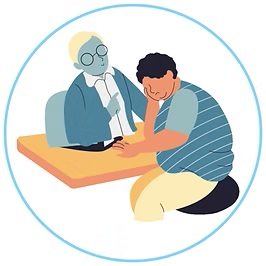
Effective therapy combines self-reflection with actionable strategies. In individual therapy in Long Island, we focus on four essential practices:



Creating Lasting Change Beyond Therapy
The ultimate goal of individual therapy is not just to address immediate struggles but to create a foundation for meaningful, long-term transformation that extends into every aspect of life. At its core, therapy provides more than a safe space to talk; it equips individuals with tools that can be carried beyond the session and applied in real-world contexts. Our individual therapy in Long Island programs is designed with this forward-looking focus, ensuring that clients leave each session with strategies they can immediately put into practice. These tools may include coping mechanisms for stress, techniques for strengthening emotional awareness, or structured approaches to problem-solving, all personalized to reflect each client’s unique circumstances and goals. By emphasizing actionable steps, therapy turns insight into lasting progress, whether that means managing workplace pressures with greater composure, navigating complex family dynamics with clearer communication, or building stronger and more fulfilling personal relationships. For instance, someone dealing with chronic stress may not only practice mindfulness in session but also learn to design a structured daily schedule, integrate reflective journaling, and incorporate intentional breaks into their day. Over time, these practices shift automatic reactions into purposeful habits, replacing cycles of overwhelm with resilience, self-confidence, and thoughtful decision-making.
At Mindset Psychology, our individual therapy in Long Island services are guided by a personalized and practical approach that blends reflective exploration with targeted skill-building. Each client’s journey is supported through a balance of insight-driven conversations, hands-on exercises, and ongoing guidance designed to translate awareness into action. We also recognize that lasting change is reinforced when clients have supportive environments, which is why collaboration with family members, educators, or colleagues may be encouraged when appropriate. This broader support system helps sustain new behaviors, fosters accountability, and strengthens the positive outcomes of therapy. Over time, clients often report not only greater emotional regulation and improved problem-solving but also a deeper understanding of themselves, healthier relationships, and a renewed sense of clarity and purpose in their lives. Ultimately, therapy becomes more than a short-term solution; it evolves into a life-changing process that equips clients with the tools they need to grow continuously, adapt confidently, and thrive in the face of new challenges. Begin your journey toward lasting personal growth and emotional clarity by scheduling a consultation with Mindset Psychology today, where therapy is focused on empowering you with the resilience and strategies needed for meaningful, lifelong change.
What Our Patients Say
About Our Practice
"Dr. Rabbani is a great therapist! Very attentive and gives practical advice to really help me focus on what's important."

A.A
"I honestly would not be where I am now without Dr. Krakauer! He is very caring and always available for his patients."
E.G
"Dr. Rabbani is extremely kind and professional I would recommend him to anybody seeking help."
E.T
Meet Our Team
Expert and Professional in Psychotherapy














Book An Appointment
Schedule your ADHD assessment at Mindset Psychology today and ask us about our free 15-minute consultation at (516) 208-2638
Schedule Your Free 15 Min
Virtual Consultation
We're here to help. Contact Mindset Psychology today to learn more about our mental health services or to schedule an appointment with one of our experienced therapists or psychologists. Take the first step towards better mental health and get in touch with us today.
Insurances
We accommodate a wide range of insurance providers. Should you have questions about your coverage, don't hesitate to reach out for further details.






CONTACT US