

Cognitive Behavioral Therapy in Long Island
Struggling with persistent negative thoughts, stress, or anxiety can make daily life feel overwhelming. At Mindset Psychology, our Cognitive Behavioral Therapy in Long Island services provide structured, evidence-based support to help clients identify unhelpful thinking patterns and replace them with strategies that promote emotional well-being and personal growth.
How Thoughts Influence Emotions and Behavior
In Cognitive Behavioral Therapy in Long Island, one of the central goals is to help clients understand the powerful and often underestimated connection between their thoughts, emotions, and behaviors. The way we think has a direct impact on how we feel, and in turn, influences the actions we take in everyday life. For example, a single negative thought, “I’m not good enough”, can spark feelings of sadness or anxiety, which may then lead to withdrawing from opportunities or avoiding social interactions. When such thought patterns repeat consistently, they create self-reinforcing cycles that are difficult to break without support. CBT works by slowing this process down, giving individuals the tools to observe their inner dialogue and notice how seemingly automatic thoughts are shaping their emotional and behavioral responses.
Negative thinking patterns can take many forms. Catastrophizing, for instance, causes individuals to imagine worst-case scenarios even when situations don’t warrant that level of fear. Overgeneralization might lead someone to believe that one mistake defines all their future efforts, fueling self-doubt and hopelessness. These distorted patterns not only heighten stress and anxiety but also drain confidence and motivation. In therapy, clients are guided to recognize these distortions, examine the evidence for and against them, and consider more balanced alternatives. This process of challenging negative thinking doesn’t erase difficulties but instead reframes them in a way that feels more manageable and realistic, breaking the grip of harmful cycles.
The process of identifying and reframing thoughts also encourages deeper reflection, insight, and self-awareness. Clients learn that thoughts are not always facts, they are interpretations, shaped by past experiences, fears, and biases. By separating themselves from automatic beliefs, individuals gain the ability to pause before reacting, choosing healthier responses instead of falling into old patterns. This shift often leads to greater calm, improved communication, and more effective problem-solving in daily situations. Over time, the benefits become noticeable across many areas of life, from relationships and work performance to self-confidence and emotional balance.
As therapy continues, clients not only reduce the intensity of negative emotions but also begin to develop a toolkit of healthier coping strategies. These might include practicing mindfulness to stay present, setting realistic goals to combat perfectionism, or using thought records to track progress and maintain perspective. Each step forward builds resilience and reinforces the sense of control individuals have over their mental and emotional well-being. With consistent practice, this process transforms how clients experience challenges, replacing cycles of anxiety or depression with greater stability, clarity, and hope.template
Practical Techniques in Cognitive Behavioral Therapy
Cognitive Behavioral Therapy (CBT) is widely recognized for its hands-on, structured techniques that create lasting improvements in mental health. Unlike approaches that focus only on talking about feelings, CBT emphasizes the practice of concrete tools that reshape thinking patterns and behaviors in everyday life. In Cognitive Behavioral Therapy in Long Island, clients are guided step by step through methods that not only target negative thoughts but also promote healthier, more adaptive ways of responding to challenges. This balance of reflection and action makes CBT one of the most effective and empowering approaches to therapy.
- Improving Awareness of Thoughts and Patterns
The first step in Cognitive Behavioral Therapy (CBT) involves cultivating a stronger sense of awareness around recurring thoughts, emotional reactions, and behavior patterns. For many individuals, these automatic thoughts arise so quickly in stressful moments that they pass unnoticed, yet they carry immense influence over mood and behavior. Clients are encouraged to slow down and pay attention to the inner dialogue that runs in the background of their daily experiences. This might mean noticing how a negative thought surfaces during a challenging interaction at work or how certain beliefs trigger feelings of guilt or anxiety. Developing this awareness creates the essential foundation for change, as it allows individuals to recognize the connections between thoughts, feelings, and actions. Once these links become clearer, clients are better positioned to interrupt unhelpful cycles and move toward healthier responses. - Reframing Negative Thinking
A hallmark of CBT is the process of reframing negative or distorted thoughts into more balanced and constructive perspectives. Many people are unaware of how deeply self-critical or pessimistic their inner dialogue can be, often carrying beliefs like, “I always fail,” or “Nothing ever works out for me.” In therapy, clients learn to pause and challenge these automatic thoughts, replacing them with more realistic alternatives such as, “I’ve had setbacks, but I’ve also achieved success in the past.” This reframing process doesn’t deny difficulties but instead provides a fairer, more balanced outlook that encourages resilience. Over time, this shift reduces the intensity of harmful self-talk, eases feelings of hopelessness, and opens the door for greater self-compassion. With practice, clients find that their mood and confidence improve as their mental landscape becomes less harsh and more supportive. - Using Thought Records
Thought records are one of the most practical tools used in CBT, offering clients a structured way to track situations, emotions, and the thoughts that arise in response. By writing these down, abstract feelings are transformed into something concrete, which makes them easier to examine and evaluate. For example, a client might document a situation in which they felt rejected, the automatic thought that followed, “I must not be good enough”, and the resulting emotions of sadness or anxiety. The therapist then helps the client analyze these entries, looking for unhelpful thinking patterns such as overgeneralization or catastrophizing. Through this process, individuals begin to see how their interpretations, rather than the events themselves, shape their emotional experiences. By actively challenging and replacing these negative thoughts with healthier alternatives, clients gain more control over their internal world and notice improvements in both mood and behavior. - Behavioral Experiments for Real-Life Practice
CBT goes beyond thought work by incorporating behavioral experiments that give clients opportunities to test their assumptions in real-life situations. These experiments are designed to challenge beliefs and predictions that fuel anxiety or avoidance. For instance, someone who fears rejection might be asked to initiate a casual conversation with a colleague or friend, testing the belief that others will react negatively. By engaging in these exercises, clients gather direct evidence about whether their fears are valid or exaggerated. More often than not, they discover that their negative expectations do not come true, which reduces the power of anxious thoughts. Over time, these experiments reinforce confidence in healthier behaviors and provide a sense of empowerment. They show clients that new ways of interacting with the world are not only possible but often more rewarding than their old patterns. - Exposure Exercises to Confront Fears
For individuals dealing with phobias, trauma, or avoidance behaviors, exposure exercises are an essential part of CBT. Instead of continuing to avoid triggers that cause distress, clients are guided to face them gradually in a safe, supportive, and controlled environment. This might involve imagining the feared situation at first, then progressing to real-life encounters in small, manageable steps. Through repeated exposure, the intensity of fear responses decreases as the brain learns that the situation is not as threatening as once believed. This process builds resilience and confidence, showing individuals that challenges can be managed rather than feared. Over time, what once seemed impossible becomes achievable, freeing clients from the limitations that avoidance once placed on their lives. - Mindfulness and Relaxation Practices
To strengthen emotional regulation, CBT often integrates mindfulness and relaxation techniques as complementary tools. Practices such as deep breathing exercises, meditation, progressive muscle relaxation, and guided imagery help clients calm both the body and the mind. By regularly practicing these techniques, individuals learn to slow down racing thoughts, reduce physical tension, and maintain greater focus in stressful situations. These practices provide immediate relief when emotions threaten to overwhelm, but they also build long-term resilience by training the nervous system to return to a state of balance more quickly. With mindfulness, clients develop the ability to respond to difficulties with clarity, intention, and composure instead of automatic reactivity. The result is a calmer, more centered approach to handling life’s inevitable stressors. - Developing Actionable Everyday Strategies
Beyond the exercises practiced in therapy sessions, CBT emphasizes the importance of creating actionable strategies that can be applied in everyday life. Clients are encouraged to set realistic goals, establish healthy routines, and practice problem-solving techniques to manage stress more effectively. For example, someone who struggles with procrastination might learn to break tasks into smaller, more manageable steps, while another client might create a daily routine that balances work, rest, and self-care. These strategies ensure that the progress made in therapy translates into meaningful change outside of sessions. Over time, clients gain the confidence to face challenges independently, knowing they have the tools to navigate setbacks and maintain progress. This focus on practical application empowers individuals to sustain long-term growth, making the lessons of CBT an integral part of daily living.
Cognitive Behavioral Therapy is not only about addressing problems in the moment, it’s about equipping clients with a lifelong toolkit for resilience and clarity. By combining awareness, skill-building, and practical action, CBT helps individuals break free from unhelpful patterns and fosters lasting improvements in emotional well-being. With consistent practice, these strategies become second nature, offering strength and stability in both everyday challenges and larger life transitions.
Four Key Elements of Cognitive Behavioral Therapy
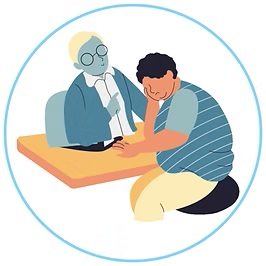
Effective CBT relies on a structured and goal-oriented framework that ensures clients can make meaningful progress in a clear and measurable way. In Cognitive Behavioral Therapy in Long Island, we emphasize four essential elements that serve as the foundation of this process. These elements create both direction and flexibility, guiding clients step by step while also adapting to their individual needs and experiences. Each element plays a unique role in helping individuals recognize unhelpful patterns, develop healthier perspectives, and strengthen coping strategies. Together, they form a practical roadmap for growth, allowing clients to build lasting emotional resilience, improve daily functioning, and create sustainable change that extends well beyond the therapy room.



Building Long-Term Resilience and Well-Being
The ultimate aim of Cognitive Behavioral Therapy in Long Island is not only to address immediate concerns but also to equip clients with sustainable skills for lifelong emotional balance. Rather than focusing solely on symptom relief, therapy emphasizes building a strong foundation for mental health that clients can rely on throughout different stages of life. Through regular sessions, individuals gradually learn to recognize the subtle patterns of negative or unhelpful thinking that often drive emotional distress. By developing the ability to pause, notice these thoughts, and then reframe them into healthier perspectives, clients prevent minor stressors from escalating into overwhelming situations. This mental shift directly enhances emotional regulation, helping individuals respond more thoughtfully rather than react impulsively. As decision-making improves and interpersonal relationships benefit from clearer communication and reduced conflict, clients begin to see noticeable changes in how they engage with the world around them.
Beyond the immediate benefits, clients often report a newfound confidence in their ability to manage stressful situations with greater ease. This confidence comes from understanding that challenges will inevitably arise, but with the right tools, they are no longer insurmountable. Anxiety begins to lessen, mood stability improves, and daily functioning becomes more consistent. Practical strategies such as thought challenging, self-monitoring, and adaptive problem-solving are introduced during therapy and practiced until they become second nature. These strategies allow individuals to anticipate potential triggers, evaluate their reactions more effectively, and make healthier choices when faced with difficulties. Over time, these tools evolve into a personal toolkit for ongoing growth, serving as a reliable resource for managing both expected and unexpected life challenges.
As these skills are applied consistently, clients gain a deeper sense of mastery over their emotions and reactions. This mastery does not mean eliminating uncomfortable feelings but rather learning how to manage them in a way that reduces their intensity and impact. Resilience develops naturally when individuals recognize that they have the ability to adapt, recover, and continue moving forward despite setbacks. The long-term effect is a strengthened sense of well-being that touches every area of life, from career and family relationships to self-confidence and personal fulfillment. Cognitive Behavioral Therapy ultimately empowers individuals to reclaim control over their mental health, improve daily functioning, and sustain meaningful personal growth that continues well beyond the therapy room.
At Mindset Psychology, our Cognitive Behavioral Therapy in Long Island services are designed to provide structured, evidence-based care that nurtures both immediate progress and lasting change. We understand that true transformation is not achieved overnight but through consistent practice, guided reflection, and supportive collaboration between therapist and client. Our goal is to help each individual cultivate resilience, foster emotional growth, and create a healthier relationship with themselves and others. By engaging in therapy, clients begin a journey that extends far beyond symptom relief, unlocking the potential for lasting self-awareness and stability. Schedule a consultation at Mindset Psychology today and take the first step toward transforming your thoughts, strengthening your resilience, and building a more balanced and fulfilling life.
What Our Patients Say
About Our Practice
"Dr. Rabbani is a great therapist! Very attentive and gives practical advice to really help me focus on what's important."

A.A
"I honestly would not be where I am now without Dr. Krakauer! He is very caring and always available for his patients."
E.G
"Dr. Rabbani is extremely kind and professional I would recommend him to anybody seeking help."
E.T
Meet Our Team
Expert and Professional in Psychotherapy














Book An Appointment
Schedule your ADHD assessment at Mindset Psychology today and ask us about our free 15-minute consultation at (516) 208-2638
Schedule Your Free 15 Min
Virtual Consultation
We're here to help. Contact Mindset Psychology today to learn more about our mental health services or to schedule an appointment with one of our experienced therapists or psychologists. Take the first step towards better mental health and get in touch with us today.
Insurances
We accommodate a wide range of insurance providers. Should you have questions about your coverage, don't hesitate to reach out for further details.






CONTACT US