

Couples Therapy in Great Neck, Long Island
No relationship is without its rough patches, but some feel impossible to navigate alone. At Mindset Psychology, our couples therapy in Great Neck, Long Island, gives you and your partner a dedicated, judgment-free space to work through conflict, rebuild connection, and understand each other more deeply. Whether you are in the middle of a specific crisis or simply feeling like you have drifted apart, therapy can help you find your way back to each other and forward together.
What Brings Couples to Therapy and Why It Works
One of the most common misconceptions about couples therapy is that it is only for relationships on the verge of ending. In reality, many of the couples who benefit most from therapy are not in crisis at all; they simply recognize that the patterns between them are not working and want to do something about it before things get harder. Coming to therapy before a relationship reaches a breaking point is one of the wisest decisions a couple can make.
Couples seek therapy for all kinds of reasons. Some come in because communication has broken down, conversations that start simply end in arguments, or silence has replaced the kind of honest exchange that once came naturally. Others come because trust has been damaged, whether by infidelity, repeated disappointments, or a slow erosion of emotional safety over time. Some couples are navigating a major life transition together, a new baby, a career shift, a loss, a move, and finding that the pressure is pulling them apart rather than bringing them closer.
Whatever brings a couple through the door, the goal of therapy is the same: to help both people feel heard, understood, and equipped to work through difficulty as a team rather than as opponents. At Mindset Psychology, our therapists are trained in evidence-based approaches to couples work that go beyond surface-level conflict resolution. We help couples understand the underlying dynamics that drive their patterns, why the same argument keeps happening, why one partner tends to withdraw while the other pursues, and why certain topics feel impossible to touch without derailing the conversation.
Great Neck and the surrounding North Shore communities are home to couples at every stage of life, newlyweds finding their rhythm, long-term partners navigating stagnation, couples managing the demands of children and careers simultaneously, and partners working through significant ruptures. Our therapists have experience working with all of these situations and bring a thoughtful, individualized approach to each one.
For couples where individual struggles are also playing a role, one or both partners dealing with anxiety, depression, or unresolved personal history, the work in couples therapy often connects naturally with individual therapy as a complementary support. Understanding yourself better is one of the most powerful contributions you can make to the health of your relationship.
What Couples Therapy at Mindset Psychology Addresses
When you begin couples therapy in Great Neck, Long Island, at Mindset Psychology, every session is shaped around the specific dynamics, history, and goals of your relationship. Here is what couples therapy can help with:
- Communication Breakdown: When conversations consistently go sideways, escalating into arguments, shutting down into silence, or simply missing the point, therapy helps identify exactly where things go wrong and builds new habits that make genuine understanding possible between partners.
- Trust and Betrayal: Whether trust has been broken through infidelity, dishonesty, or repeated unmet commitments, rebuilding it is a careful and time-sensitive process. Therapy provides the structure and safety that both partners need to work through betrayal without either minimizing it or letting it permanently define the relationship.
- Emotional Distance and Disconnection: Many couples describe feeling more like roommates than partners, sharing a life on the surface while feeling disconnected underneath. Therapy helps identify when and how that distance formed and creates pathways back to the emotional intimacy that once existed between you.
- Conflict Patterns and Cycles: Most couples who struggle with conflict are not fighting about what they think they are fighting about. Therapy helps uncover the deeper needs and fears that drive recurring arguments, which is the only way to actually break the cycle rather than just manage it temporarily.
- Life Transitions and External Pressure: Becoming parents, losing a loved one, dealing with financial stress, or navigating a major career change can all strain a relationship significantly. Couples therapy provides a space to process those pressures together rather than absorbing them separately and growing apart in the process.
- Intimacy and Physical Connection: Shifts in physical intimacy are common in long-term relationships and often reflect deeper emotional dynamics rather than surface-level compatibility issues. Therapy creates an open, respectful space to address those shifts honestly and work toward reconnection on both emotional and physical levels.
- Pre-Marital Counseling: Couples preparing for marriage benefit enormously from therapy even when things feel good. Pre-marital counseling helps partners understand each other's values, expectations, and communication styles, building a stronger foundation before life's inevitable challenges arrive.
- Blended Family Dynamics: Navigating a relationship that involves children from previous partnerships adds layers of complexity that can strain even strong couples. Therapy helps partners align on parenting approaches, boundary-setting, and maintaining their relationship amid the demands of a blended family structure.
- Cultural and Values Differences: Couples from different cultural backgrounds, religious traditions, or value systems sometimes find that those differences create friction that feels difficult to address. Our therapists work sensitively with relationship issues rooted in differing backgrounds, helping couples find common ground without asking either person to abandon who they are.
- Deciding Whether to Stay or Go: Not every couple comes to therapy wanting to save the relationship; some come needing help making a clear-eyed decision about its future. Therapy provides a space to explore that question honestly and with support, whatever the eventual answer turns out to be.
Dedicated Support for Your Relationship
Strong relationships require more than good intentions, they require structure, communication, and accountability. Couples therapy in Great Neck, Long Island offers a professional setting where both partners can work through challenges, gain perspective, and build a more stable, functional partnership.
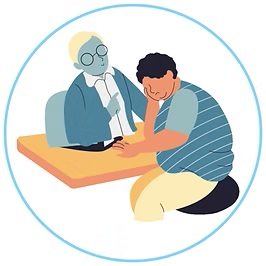



Start Couples Therapy in Great Neck, Long Island, today
Reaching out for couples therapy takes something, a willingness to acknowledge that things are not where you want them to be, and a belief that they could be better. That step alone says something important about both of you. We meet couples at exactly that point and build from there.
Our therapists do not take sides, assign blame, or push couples toward any particular outcome. The work is collaborative, both within the sessions and between the two of you. We create an environment where both partners feel safe enough to be honest, which is the only foundation on which meaningful progress can be built. Couples often find that after just a few sessions, they are having conversations they have not been able to have in months or years, not because the therapist gave them a script, but because the space finally felt safe enough to be real.
We serve couples across Great Neck, Manhasset, Port Washington, and the broader Long Island area. For couples navigating anxiety as part of their relationship dynamic, our anxiety therapy on Long Island offers individual support that can complement your couples work meaningfully. For those dealing with mood-related challenges that are affecting the relationship, depression therapy on Long Island may also be a valuable parallel support.
We also offer online therapy for couples who prefer the flexibility of virtual sessions, the same structured, evidence-based approach, accessible from wherever both partners feel most comfortable. Many couples find that virtual sessions remove a logistical barrier that had been quietly preventing them from starting.
If you are ready to take the next step, we encourage you to reach out. Our team will help match you with a therapist who fits both of your needs and walk you through what to expect from the process. Your couples therapy in Great Neck, Long Island,d starts with one phone call, and it could be the most important one your relationship has had in a long time.
What Our Patients Say
About Our Practice
"Dr. Rabbani is a great therapist! Very attentive and gives practical advice to really help me focus on what's important."

A.A
"I honestly would not be where I am now without Dr. Krakauer! He is very caring and always available for his patients."
E.G
"Dr. Rabbani is extremely kind and professional I would recommend him to anybody seeking help."
E.T
Meet Our Team
Expert and Professional in Psychotherapy













Book An Appointment
Schedule your ADHD assessment at Mindset Psychology today and ask us about our free 15-minute consultation at (516) 208-2638
Schedule Your Free 15 Min
Virtual Consultation
We're here to help. Contact Mindset Psychology today to learn more about our mental health services or to schedule an appointment with one of our experienced therapists or psychologists. Take the first step towards better mental health and get in touch with us today.
Insurances
We accommodate a wide range of insurance providers. Should you have questions about your coverage, don't hesitate to reach out for further details.






Frequently Asked Questions
01What can couples realistically expect from therapy at a practice like Mindset Psychology?
Couples therapy is not a quick fix, and any honest therapist will tell you that upfront. What it does offer is a structured, guided process for understanding why your relationship has arrived where it has and what both partners can actively do to change that. At a practice like Mindset Psychology, the first sessions are typically focused on getting to know both partners individually and together, understanding each person's history, communication style, and what they are hoping therapy will help them achieve. From there, the work becomes more targeted. Couples often notice meaningful shifts within the first several sessions, not because problems are resolved, but because the quality of the conversations between them begins to change. That shift in how two people can talk to and hear each other is usually where lasting change begins.
02How is couples therapy different from simply talking things through with family or friends?
Talking to trusted people in your life has value, but it is fundamentally different from therapy in several important ways. Friends and family are not neutral; they have their own relationships with both partners, their own opinions about what should happen, and their own emotional reactions to what they hear. A couples therapist brings clinical training, genuine neutrality, and a structured framework for helping both partners feel equally heard. A therapist also has the tools to identify patterns that neither partner can see clearly from inside the relationship, and to interrupt those patterns in ways that an informal conversation simply cannot. Therapy is also confidential, which means both partners can be honest in ways they might not be in front of people who are part of their ongoing social world.
03Does one partner have to be more willing than the other for couples therapy to work?
It is very common for one partner to be more enthusiastic about therapy than the other, and that difference in readiness does not automatically make therapy ineffective. What matters most is that both people are willing to show up and engage, even if one of them is more skeptical or hesitant at the start. A skilled couples therapist works with that difference rather than ignoring it. Often, the more reluctant partner becomes more engaged once they experience that the space is genuinely balanced and that therapy is not designed to validate one person's perspective over the other's. That said, if one partner is completely unwilling to participate at any level, individual therapy can still be a valuable starting point for the partner who is ready to do the work.
04How long does couples therapy typically take, and how often should sessions be scheduled?
The length of couples therapy varies significantly depending on the complexity of the issues involved and the goals both partners bring into the process. Some couples with relatively specific concerns, adjusting to a life transition, or improving communication around a particular issue, may find meaningful progress within 10 to 15 sessions. Couples working through deeper ruptures, longstanding patterns, or trust recovery typically benefit from a longer process. Most couples start with weekly sessions, which provide enough consistency and momentum to build on what is explored in each meeting. As progress develops, sessions may shift to every other week. It is always worth discussing timeline and pacing directly with your therapist early in the process so that both partners have realistic and aligned expectations from the outset.
05What should both partners do to get the most out of couples therapy sessions?
The most important thing both partners can do is approach sessions with genuine openness, not a commitment to being right, but a willingness to listen and be honest even when it is uncomfortable. Therapy works best when both people are willing to reflect on their own role in the relationship's patterns rather than focusing exclusively on what the other person needs to change. Between sessions, paying attention to how you communicate, noticing when old patterns show up, and trying to apply what you have explored in therapy makes a significant difference in how quickly progress builds. Being honest with your therapist when something is not working or when a session feels off-track is also important. The therapeutic relationship should feel like a partnership, and both partners have a right to shape how that work unfolds.
CONTACT US